When autumn temperatures drop or you simply want to soften a stark, modern space, few design elements work quite as fast as a plush fur rug. Whether you live in a high-rise city apartment or a sprawling suburban home, introducing a tactile layer underfoot instantly shifts the mood of a room. The tactile appeal invites barefoot lounging, while the rich visual texture anchors your seating arrangement. However, successfully integrating this statement piece requires more than tossing a fleece on the floor. Homeowners and renters alike must balance aesthetic goals with practical floor layouts, material durability, and everyday maintenance.
Achieving a balanced look depends on understanding how fur interacts with other materials in your U.S. living room. When paired thoughtfully with sleek leather sofas, rustic wood coffee tables, or minimalist metal accents, a fur rug prevents a room from feeling cold or sterile. The key lies in strategic placement and thoughtful material selection, ensuring your space feels intentionally curated rather than chaotic. In the sections below, we explore actionable strategies for choosing, placing, and maintaining your fur accent piece for maximum comfort and style.
Choosing Between Faux and Real Fur Options
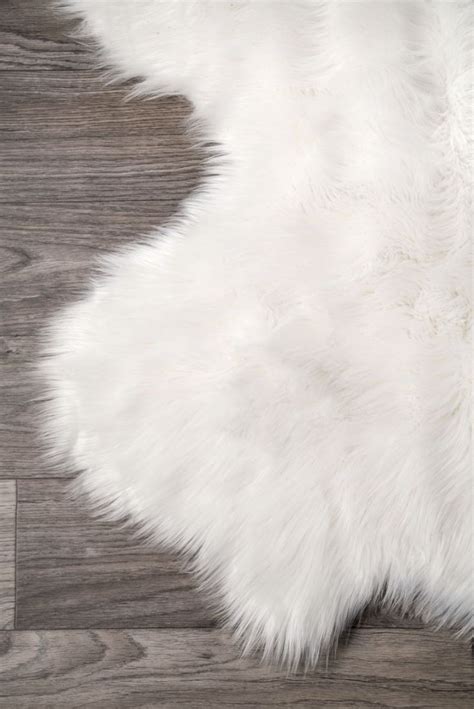
The first major decision when shopping for a statement rug involves choosing between high-grade synthetic textiles and genuine animal pelts. Modern textile manufacturing has advanced significantly, making high-end faux fur remarkably soft, dense, and visually convincing. Faux options typically offer broader versatility, lower price points, and easier maintenance profiles, which makes them especially popular for households with children, pets, or frequent spills. Additionally, faux textiles align well with cruelty-free design practices, offering peace of mind for conscious consumers decorating modern U.S. living spaces.
On the other hand, genuine sheepskin or cowhide rugs bring organic variations, unmatched breathability, and exceptional longevity when cared for properly. Real pelts develop a unique patina over time and tend to resist natural matting better than lower-quality synthetics, provided they are kept out of areas with relentless moisture. Homeowners undertaking a permanent design overhaul often lean toward genuine hides for heirloom-quality durability. Renters, however, frequently prefer faux alternatives because they can be easily replaced, folded, or repurposed in future apartments without significant financial investment.
Strategic Placement Ideas for U.S. Living Room Layouts
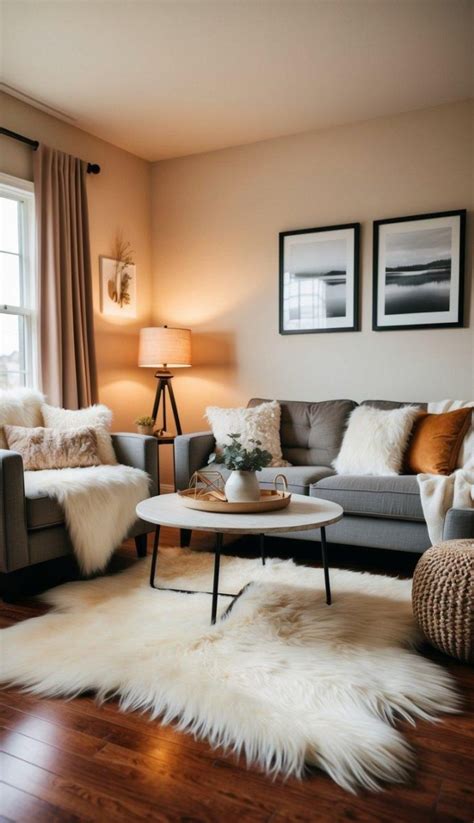
Where you place your fur rug depends heavily on the scale of your living room and how you use the space daily. In open-concept suburban homes, a large fur area rug can successfully define a distinct conversation zone, separating the seating area from the dining nook or kitchen. Placing the front legs of your sofa and armchairs directly onto the rug helps anchor the furniture arrangement, creating a cohesive visual boundary that feels welcoming and grounded.
For apartment dwellers working with compact layouts, a smaller faux fur pelt works wonderfully as a dramatic accent piece rather than a primary floor covering. Try draping a sheepskin over the seat of an accent chair, laying a runner-sized pelt beside the couch, or layering a small rug diagonally over a neutral flat-weave base. This approach introduces luxurious texture without overwhelming a limited floor plan or obstructing high-traffic pathways leading to balconies and entryways.
Mastering the Art of Rug Layering for Maximum Warmth
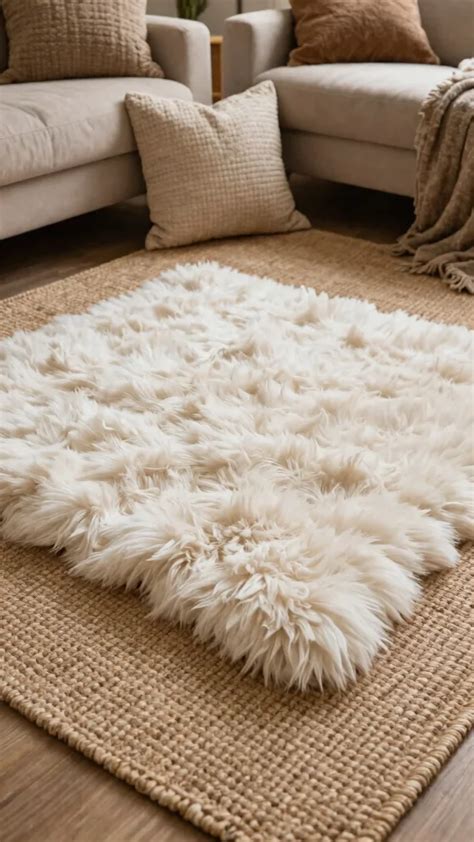
Layering rugs is one of the most effective designer tricks for adding depth, dimension, and customized coziness to a living room. If you have neutral wall-to-wall carpeting in a rental apartment that you cannot change, placing a smaller faux fur rug over it instantly breaks up monotonous builder-grade textures. Similarly, layering a soft sheepskin over a large jute or sisal area rug on hardwood floors introduces a gorgeous contrast between rough, natural plant fibers and ultra-soft pile.
When layering, proportion is everything. Ensure your base rug is large enough to anchor your major furniture pieces, while the fur accent rug should sit slightly off-center beneath a coffee table or beneath the edge of a primary seating piece. This intentional asymmetry feels modern and effortless. Be sure to check the backing of your layered rugs to prevent sliding, especially when placing slippery synthetic pelts over smooth hardwood or laminate flooring common in American homes.
Renter-Friendly Rug Integration and Floor Protection
Decorating a rental comes with unique challenges, primarily the need to protect landlord property while expressing your personal style. Fur rugs are naturally lightweight and flexible, making them ideal non-permanent decor elements. Unlike heavy, wall-to-wall installations, a statement rug can move with you from apartment to apartment, making it a smart investment for mobile renters who want to instantly make a new boxy room feel like home.
To protect hardwood, engineered wood, or luxury vinyl plank floors in your rental, always pair your fur rug with a quality, non-slip rug pad. Inexpensive mesh pads or rubberized underlays prevent the rug from shifting during daily foot traffic, reducing friction that could scratch delicate finishes. Furthermore, breathable rug pads prevent moisture buildup underneath synthetic or natural hides, protecting your subfloor from humidity issues during humid summer months.
Cleaning and Maintaining Your Fur Rug in High-Traffic Areas
High-traffic living rooms demand regular upkeep to keep fur rugs looking pristine, fluffy, and free from flattened patches. Regular light maintenance goes a long way: gently shaking out small rugs outdoors removes trapped dust and debris, while vacuuming larger faux fur rugs requires a careful approach. Always turn off the rotating brush roll or beater bar on your vacuum cleaner to prevent the fibers from tangling, pulling, or tearing over time.
For spot cleaning, act quickly by blotting spills with a clean, damp cloth and mild, wool-safe detergent rather than rubbing aggressively. Genuine pelts often require professional dry cleaning or specialized leather washes, whereas many synthetic faux fur options can be spot-cleaned or gently hand-washed in cool water. Avoid direct, harsh sunlight when drying your rug to prevent fading and to keep the backing supple and crack-free.
Frequently Asked Questions
Can fur rugs work in rental apartments without damaging floors?
Yes, absolutely. Fur rugs are lightweight and non-permanent. By placing a breathable, non-slip rug pad underneath, you protect rental hardwood or laminate floors from scratches and sliding while adding instant warmth and texture.
How do I layer a fur rug over existing wall-to-wall carpeting?
Choose a smaller, contrasting fur accent rug—such as an ivory sheepskin—and place it diagonally near your coffee table or seating group. The contrast in pile height breaks up the monotony of standard rental carpeting and adds a chic, designer touch.
Are faux fur rugs easy to clean and maintain?
Faux fur rugs are generally quite manageable. Regular shaking and vacuuming without the beater bar will keep them fluffy. Most can be spot-cleaned with mild soap and water, though checking the manufacturer’s specific care tag is always recommended.
What furniture pairings work best with a fur accent rug?
Fur rugs look stunning when paired with contrasting textures. Try placing a soft fur rug next to sleek leather armchairs, exposed metal frames, or rustic, reclaimed wood coffee tables to achieve a balanced, high-end interior look.


