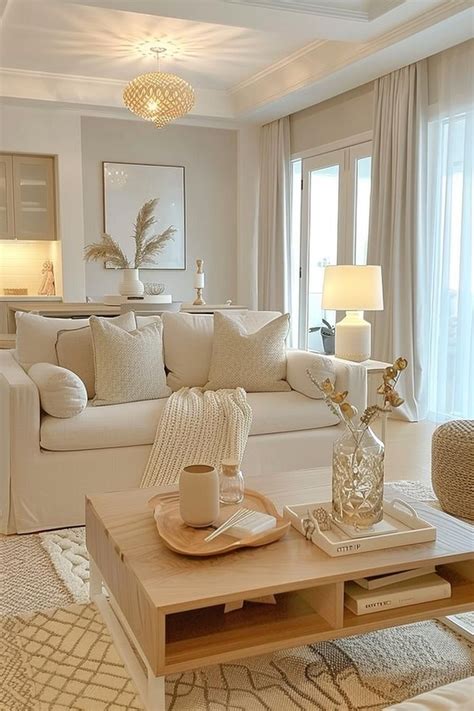
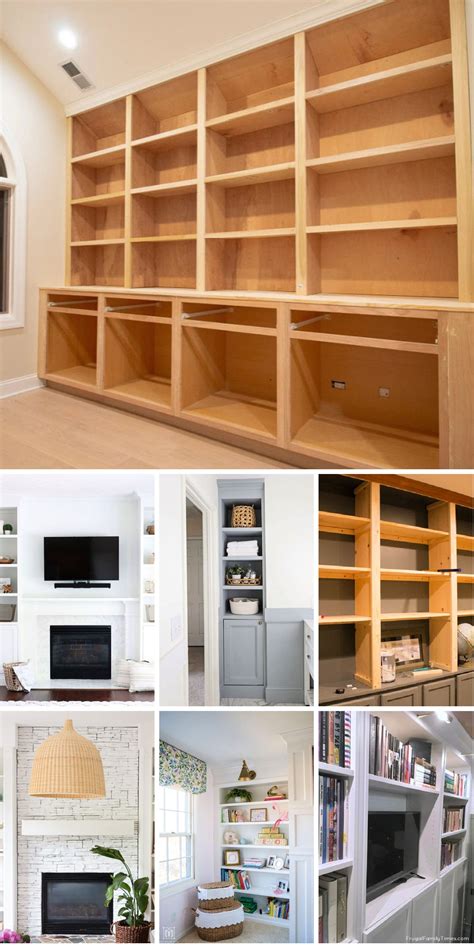
Creating a serene, uncluttered living space often starts with the right furniture foundation. For homeowners and apartment renters alike, the modern Scandinavian design philosophy offers a masterclass in blending form and function. Known for clean silhouettes, neutral palettes, and an emphasis on light, Scandi-style furniture transforms chaotic communal areas into peaceful retreats. When looking for accessible ways to bring this aesthetic into U.S. homes, European-inspired retailers like JYSK provide an array of smart living room units that prioritize practical storage without compromising on sleek visual appeal.
American living spaces vary dramatically, ranging from compact urban studio apartments to sprawling suburban open-concept layouts. In each scenario, managing clutter while maintaining an airy atmosphere presents a unique design puzzle. Scandinavian living room units—ranging from low-profile media consoles to tall display cabinets and modular sideboards—are specifically engineered to solve these spatial challenges. By utilizing clever compartments, raised legs that create a sense of floor space, and understated hardware, these pieces help establish a balanced, harmonious room layout.
Defining the Modern Scandi Aesthetic in Living Room Furniture
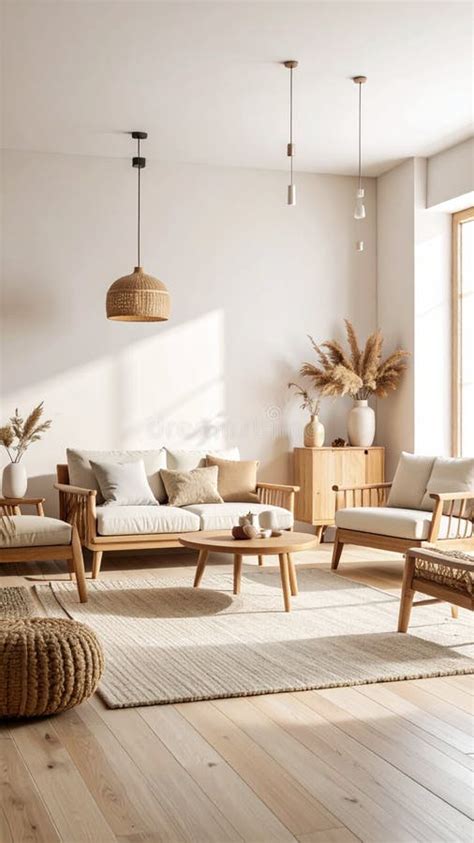
At the heart of modern Scandinavian design is a commitment to simplicity, craftsmanship, and usability. Furniture pieces are rarely purely decorative; instead, every element serves a distinct purpose. Clean lines, geometric shapes, and a lack of ornate detailing define the visual language of Scandi living room units, allowing them to blend seamlessly into various interior styles, from industrial lofts to traditional transitional homes.
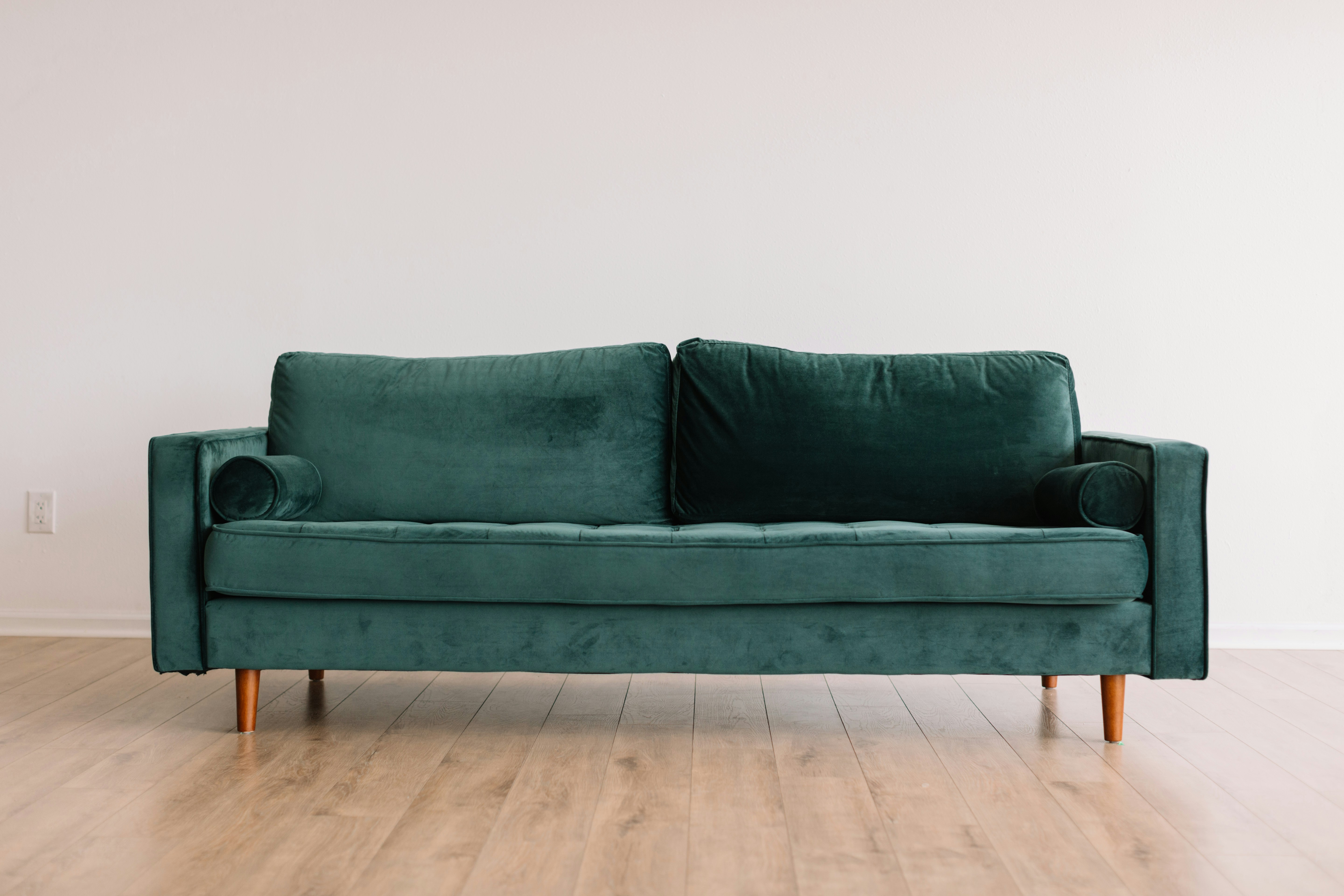
Another hallmark of this design tradition is the celebration of natural materials and light finishes. Oak, ash, and pine finishes—often treated with white oil or clear matte lacquers—keep rooms feeling bright and expansive. This focus on natural textures helps warm up minimalist spaces, ensuring that simplicity does not translate to coldness. When integrating these pieces into American homes, pairing a light wood media console with textured textiles like wool rugs and linen throw pillows creates an inviting, tactile environment.
Key Features of Scandi Media Stands and Sideboards
Media units and sideboards form the backbone of living room organization. Scandinavian-designed TV stands typically feature closed cabinets to hide unsightly cables and electronics, alongside open shelving for media players or decorative objects. This combination of concealed and open storage is essential for maintaining a tidy aesthetic where daily life essentials remain out of sight.
Sideboards and credenzas follow a similar design logic, offering generous internal storage depths within surprisingly slim profiles. Raised wooden or metal legs are a common structural feature, lifting the heavy visual mass of the cabinet off the floor. This architectural choice not only simplifies floor cleaning but also allows light to pass underneath, making smaller American living rooms feel noticeably larger and more open.
Balancing Minimalism with Practical Storage in U.S. Homes
One of the most common concerns when adopting a minimalist aesthetic is whether it can realistically accommodate the storage demands of everyday family life. Board games, extra throw blankets, electronics, and children’s toys require designated homes. Scandinavian living room units excel in this area by offering deep drawers, adjustable internal shelving, and push-to-open mechanisms that eliminate the need for cluttered hardware.
In open-concept U.S. floor plans, living rooms often flow directly into dining areas or kitchens, making visual continuity essential. Using matching storage units—such as pairing a low TV console with a coordinating sideboard—establishes an intentional, cohesive design thread across the entire space. This continuity prevents the room from feeling disjointed, even when multiple functional zones share a single open room.
Practical Styling Tips for Neutral Tones and Natural Finishes

Once your living room units are assembled and positioned, styling them requires a delicate balance between curation and restraint. Start by clearing the surfaces completely, then introduce objects in small, intentional groupings. On a long sideboard, anchor one side with a tall ceramic vase or a framed piece of abstract art leaning against the wall, leaving the opposing side relatively bare to honor the minimalist philosophy.
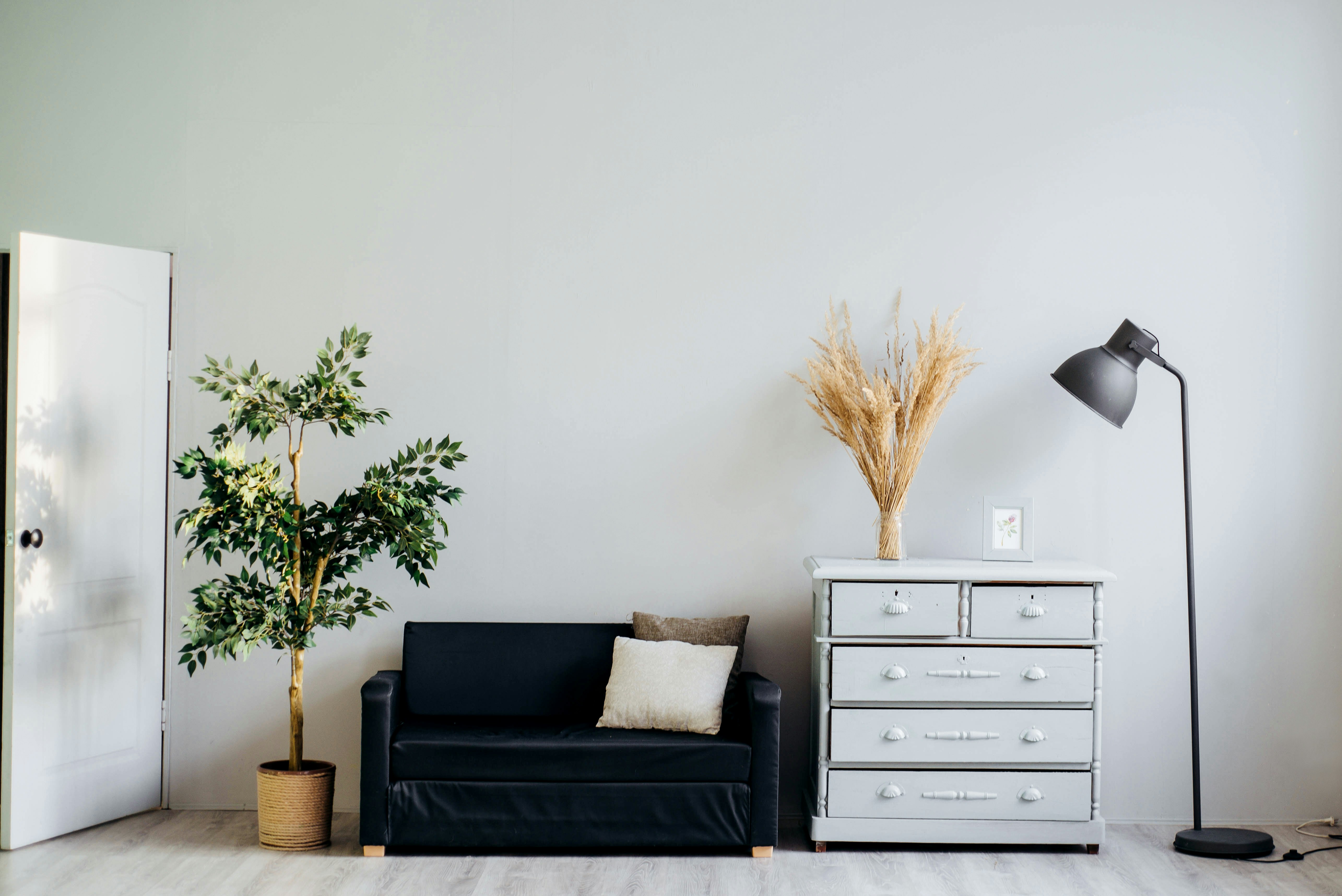
Incorporate living elements, such as potted plants or fresh branches in glass vessels, to bring organic energy indoors. Books laid horizontally can serve as risers for smaller sculptural objects, adding varying heights to your display. Avoid the temptation to fill every square inch of surface space; the negative space around your curated items is precisely what allows the beauty of the furniture’s grain and clean lines to shine through.
Addressing Practical Realities: Flat-Pack Assembly and Room Layout
Modular and flat-pack furniture offers incredible accessibility and value, but it requires patience during assembly. Before tackling a large sideboard or media wall unit, clear an adequate workspace and organize all hardware components by size. Enlisting a helper can significantly speed up assembly and ensure that structural dowels and cam locks are secured evenly for long-term stability.
When planning your room layout, always measure your wall space and traffic pathways twice before committing to a furniture configuration. Ensure that cabinet doors and drawers can open fully without colliding with coffee tables or seating. Taking these spatial nuances into account guarantees that your stylish new Scandinavian living room units will function as effortlessly as they look.
Frequently Asked Questions
What defines a modern Scandinavian living room unit?
Modern Scandi living room units are characterized by clean lines, functional storage, neutral or light wood finishes, and often feature raised legs to create an airy, open feel in the room.
Are Scandinavian storage units suitable for small apartments?
Yes, their streamlined profiles, clever hidden storage compartments, and elevated designs make them ideal for maximizing space in compact urban apartments without visual clutter.
How do I hide cables in a Scandi media stand?
Most modern media units include pre-drilled cable management ports at the back, allowing you to route cords cleanly out of sight while keeping electronics ventilated.
What materials are commonly used in Scandi living room furniture?
Light wood veneers, solid oak or pine with matte finishes, white or neutral lacquered surfaces, and subtle metal accents are standard materials in this design style.