When autumn and winter stretch on, many traditional American homes—from mid-century ranches to classic colonials—can begin to feel dark, heavy, and confined. While structural architectural changes require significant budgets and permits, updating your interior atmosphere through targeted cosmetic and decorative projects offers an accessible alternative. Introducing cheerful elements like lemon-themed accents paired with custom or modified built-in shelving provides an immediate psychological lift, infusing living spaces with a crisp, welcoming radiance.
Achieving this look does not require a complete architectural overhaul or expensive designer fees. By focusing on smart DIY shelving modifications, strategic lighting choices, and deliberate color layering, you can transform ordinary alcoves into vibrant focal points. This approach balances the timeless structural charm of American built-ins with a fresh, organic color story that celebrates vitality, warmth, and everyday comfort.
Understanding the Psychology of Citrus Decor in American Interiors
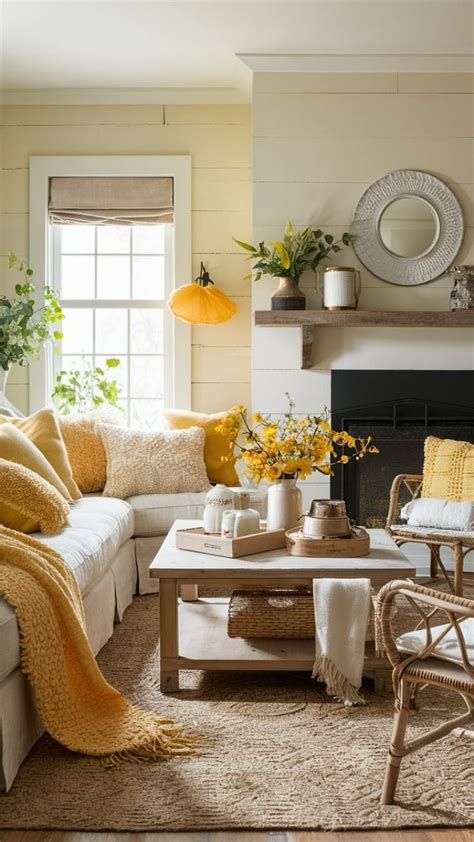
Color choices profoundly influence our perception of spatial warmth and size, particularly in standard American residential layouts where living areas often face north or receive limited natural light. Yellow and its botanical associates stimulate visual energy and mimic sunlight, making rooms feel instantly more expansive and inviting. Integrating lemon motifs—whether through subtle ceramic objects, botanical prints, or actual fruit—brings a natural, organic element that prevents bright spaces from feeling sterile or overly clinical.
Rather than relying on loud neon yellows or overwhelming novelty patterns, a sophisticated citrus aesthetic leans into buttery creams, soft sage greens, and sun-washed lemon hues. These tones harmonize beautifully with neutral drywall backdrops, warm oak flooring, and traditional painted trim commonly found in U.S. homes. The goal is to evoke the feeling of a sunlit Mediterranean orchard while maintaining the cozy, grounded atmosphere expected in a comfortable suburban living room or kitchen nook.
Selecting the Right Built-In Style for Your Space
Before picking up a paintbrush or ordering lumber, evaluate the existing architectural features of the room you intend to upgrade. In many American homes built during the mid-to-late twentieth century, living rooms feature masonry or drywall fireplace alcoves flanked by unused dead space. These vertical recesses provide the ideal footprint for constructing or styling custom built-in shelving units using standard dimensional lumber and MDF boards sourced from local hardware suppliers.
For renters or those hesitant to anchor permanent structures into drywall and wall studs, modular bookcases secured safely to wall anchors can mimic the built-in look without the carpentry commitment. Pairing these modular units with custom face frames, crown molding, and a seamless paint finish creates the convincing illusion of permanent architectural millwork. When designing your layout, consider varying shelf heights to accommodate both tall vertical books and horizontal decorative displays featuring your lemon-inspired vignettes.
Budget-Friendly DIY Methods to Build and Upgrade Shelves
Executing a shelving project on a realistic budget relies on smart material selection and straightforward joinery techniques. Using paint-grade MDF for shelf boards and primed pine for trim keeps material costs low while guaranteeing a smooth, professional finish. Securing your shelving to wall studs using heavy-duty L-brackets or cleats hidden behind face framing ensures structural integrity capable of holding heavy book collections and ceramic decor safely.
Transforming dark, outdated wood built-ins into bright, modern focal points often begins with heavy-duty primer and a coat of crisp white or soft cream paint. Popular satin or semi-gloss latex paints found in major U.S. paint stores provide a durable, wipeable surface that reflects ambient light effectively. For the back panels of your built-ins, consider applying a peel-and-stick botanical wallpaper featuring subtle lemon branches to add depth, pattern, and immediate visual interest behind your displayed items.
Smart Styling Formulas: Layering Lemon Accents and Textures
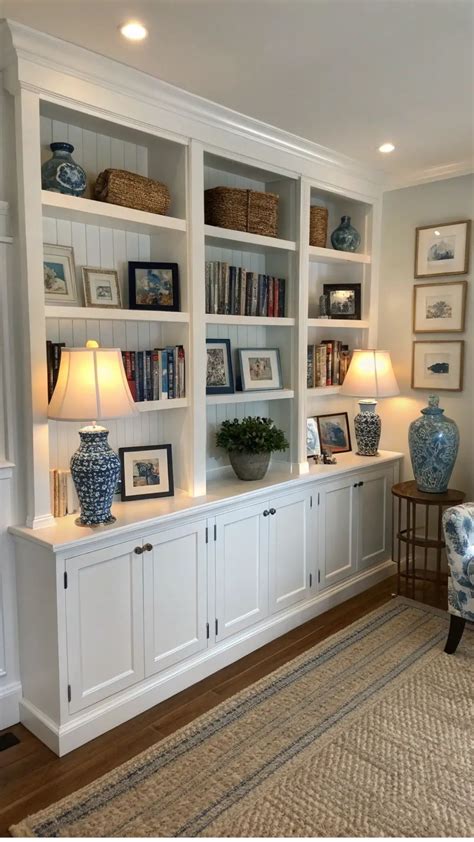
Styling built-in shelves requires a careful balance between negative space and curated collections to avoid a cluttered appearance. A reliable design formula involves anchoring each shelf with larger functional items, such as vertical rows of books turned spine-in or spine-out depending on your preference, and then layering in smaller decorative objects. Incorporate handmade ceramic pitchers in bright yellow, woven rattan baskets to add tactile warmth, and framed botanical prints depicting Mediterranean citrus groves.
To maintain a tasteful, design-forward aesthetic rather than a themed kitchen look, distribute lemon accents sparingly across different shelves rather than clustering them all in one spot. Pair inanimate objects with the occasional bowl of fresh lemons for a vibrant, organic touch that introduces a pleasant, subtle scent to the room. Mixing hard surfaces like glass and ceramic with soft elements like linen book covers and woven baskets creates the quintessential cozy American layered look.
Lighting Tricks to Brighten Dark Alcoves
Even the most beautifully styled built-in shelving can look flat and cavernous if shadows dominate the interior alcoves. Adding task or accent lighting is a game-changing step that dramatically elevates the professionalism and warmth of your DIY project. Battery-operated puck lights with remote controls or rechargeable magnetic under-shelf LED strips offer an easy installation process without requiring professional electrical wiring through your walls.
Positioning light sources beneath upper shelf boards casts a gentle glow downward, highlighting your carefully curated lemon ceramics and book arrangements. Choosing warm white color temperatures (around 2700K to 3000K) ensures the light feels cozy and inviting rather than harsh or clinical. This extra layer of illumination makes the entire room feel larger and more dynamic during evening hours.
Frequently Asked Questions
How can I make dark built-in shelves look brighter and more welcoming?
You can instantly brighten dark built-in shelves by painting the interior back panels and shelves in a crisp white or soft cream semi-gloss paint. Additionally, installing battery-operated LED puck lights or magnetic under-shelf lighting strips will eliminate shadows and create a warm, inviting glow.
What are easy DIY ways to incorporate a lemon theme without making a room look tacky?
To keep the look sophisticated, avoid novelty items and instead focus on natural elements, such as a wooden bowl filled with fresh lemons, subtle botanical watercolor prints, and handmade yellow ceramic vases. Distribute these accents sparingly among books and baskets rather than crowding them together.
Which American home architectural styles work best with lemon-infused built-ins?
This aesthetic pairs wonderfully with traditional American colonials, coastal cottages, farmhouse-style living rooms, and airy mid-century modern spaces. The key is matching the trim profile and paint finish of your shelves to the existing architectural details of your home.
How do I style built-in shelves for a cozy, lived-in feel?
Achieve a cozy, layered look by combining books, woven texture baskets, framed family photos, and ceramic accents. Use the rule of thirds to group items, leaving enough negative space so the shelves feel balanced, breathable, and thoughtfully curated rather than overcrowded.


