When we think about home decor and interior design, our focus naturally centers on living rooms, bedrooms, and patios. However, modern outdoor living invites us to extend our domestic comfort into the great outdoors. Transitioning your family from indoor spaces to a weekend in nature does not mean sacrificing comfort, organization, or privacy. Investing in a thoughtfully designed shelter can completely transform how you experience the wilderness, turning a rustic camping trip into a genuinely cozy retreat under the open sky.
Choosing the right shelter requires looking beyond basic weather protection to evaluate how interior spatial dynamics affect your family’s daily rhythm. Multi-room family tents have fundamentally changed recreational camping by introducing private sleeping quarters, shared central living areas, and dedicated zones for storing gear. By treating your campsite much like a modular home, you can establish an inviting environment where everyone enjoys personal space while still coming together around the campfire.
The Spatial Advantages of Multi-Room Family Tents
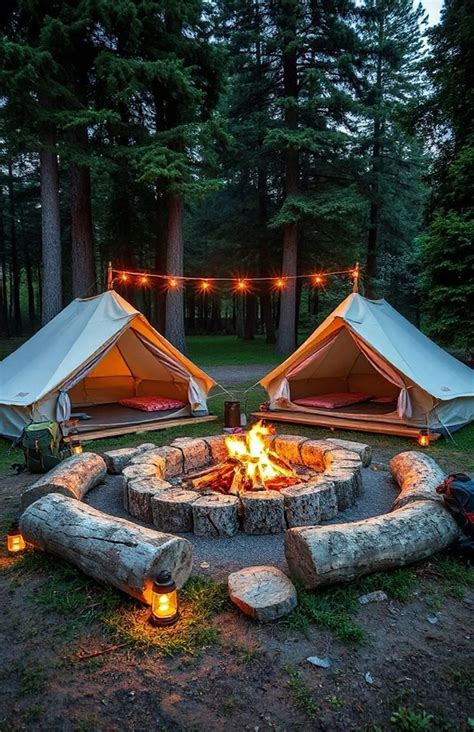
Traditional dome tents often force families into a single, shared enclosure where sleeping bags, backpacks, and clothing rapidly accumulate into a chaotic pile. Multi-room family tents solve this structural challenge by incorporating sewn-in room dividers or zippered privacy curtains. This separation allows parents to maintain a distinct sleeping area while older children or guests enjoy their own private quarters, establishing a sense of order that mirrors the layout of a traditional house.
Beyond sleeping arrangements, divided tents create functional zones that dramatically improve your camping routine. A central common room can serve as a gathering space during unexpected rain showers, functioning much like an indoor family room where you can play cards, read, or organize gear without cluttering the sleeping zones. This logical zoning minimizes morning friction when everyone is trying to change clothes or locate hiking boots at the same time.
Evaluating Capacity and Real-World Comfort
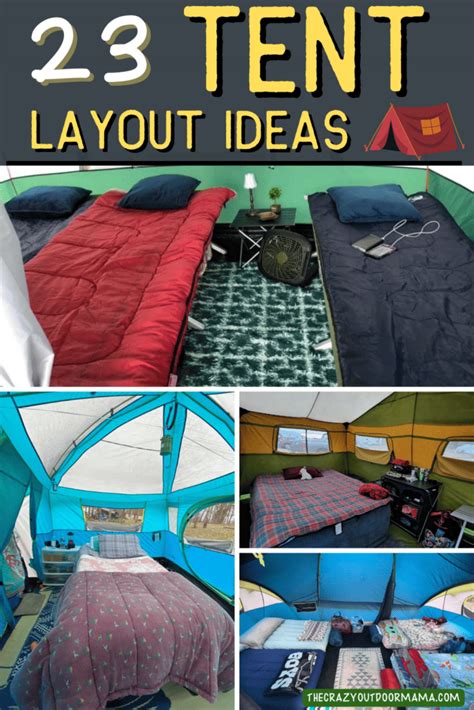
Tent manufacturers typically rate capacities based on the maximum number of sleeping pads that can fit side-by-side if occupants sleep shoulder-to-shoulder with minimal luggage. However, translating these ratings into practical family comfort requires factoring in air mattresses, cots, and personal belongings. If you are shopping for a family of four, selecting a six- or eight-person multi-room tent ensures you have ample square footage to move around comfortably without feeling cramped.
Ceiling height is another crucial consideration when evaluating spatial comfort. Tents with near-vertical walls and generous peak heights allow adults to stand upright fully while changing clothes or setting up furniture. This vertical space significantly enhances the interior atmosphere, making the shelter feel less like a tight enclosure and more like an airy, breathable room set against a natural backdrop.
Weatherproofing and Durability for Year-Round Peace of Mind
A truly cozy outdoor retreat must withstand unpredictable weather elements without compromising your sense of security. When assessing construction quality, examine the waterproof rating, commonly measured in millimeters of hydrostatic head, along with factory-sealed seams and robust bathtub flooring that prevents ground moisture from seeping upward. Rainflies that extend fully down the sides of the structure provide essential protection during heavy downpours and gusty winds.
Frame integrity is equally vital for structural longevity. Modern multi-room designs often combine sturdy steel upright poles with flexible fiberglass or lightweight aluminum roof poles to balance wind resistance with ease of assembly. Investing in a tent crafted from high-denier polyester or ripstop nylon ensures the fabric resists UV degradation and accidental tears over seasons of regular family adventures.
Styling Your Campsite for Ultimate Coziness
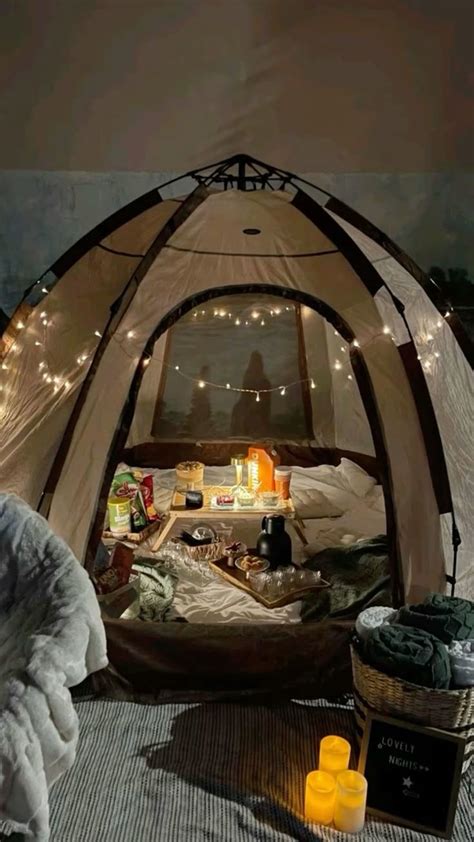
Creating a warm, welcoming environment inside your tent involves borrowing a few favorite design principles from indoor living. Layering outdoor-friendly area rugs or foam interlocking tiles over the tent floor adds insulation and softens the underfoot feel. Soft, warm-toned battery-powered lanterns hung from ceiling loops mimic indoor ambient lighting, casting a gentle glow that invites evening relaxation.
To maintain your organized retreat, incorporate collapsible storage bins and hanging organizers to keep gear off the floor. Adding lightweight folding cots with plush sleeping pads elevates your bedding off the ground, completing the transformation from a basic campsite into a restful, restorative sanctuary in the heart of nature.
Frequently Asked Questions
What are the main advantages of a multi-room tent over a single-room tent?
Multi-room tents offer distinct privacy partitions, better gear organization, and separate living or sleeping zones. This layout prevents clutter and gives family members personal space, much like a traditional home.
How do I choose the right size multi-room tent for my family?
As a general rule of thumb, look for a tent rated for at least two more people than your actual family size. This extra capacity accounts for bulky gear, air mattresses, and comfortable movement space.
Are multi-room tents difficult to set up?
While larger multi-room tents involve more components than basic two-person dome tents, modern color-coded poles and sleeve systems make assembly straightforward, especially with two adults working together.
What features make an outdoor tent feel cozy?
Warm ambient lighting, insulated floor mats or rugs, raised cots, and designated storage zones for clutter-free organization all contribute to a warm, home-like atmosphere inside your tent.


