Introducing tactile elements into interior spaces is one of the most effective ways to transform a stark environment into a welcoming sanctuary. Among various textile options, plush fur and faux fur rugs stand out for their ability to deliver instant warmth, visual depth, and undeniable elegance. Whether you live in a sprawling suburban residence or a compact urban apartment, incorporating these rich textures can redefine your floor plan without requiring a complete room overhaul. The secret lies in understanding how different pile lengths, fiber compositions, and placements interact with your existing layout and lighting.
Successfully styling these statement pieces requires balancing their high-impact appearance with the functional demands of everyday life. Modern American homes often blend open-concept layouts with distinct multi-functional zones, meaning floor coverings must bridge aesthetic appeal with durability. By carefully evaluating where and how to use these plush accents, you can create inviting focal points that anchor your furniture while offering an exceptionally soft underfoot experience for family members and guests alike.
Navigating Material Choices: Genuine Hides Versus High-End Faux Alternatives
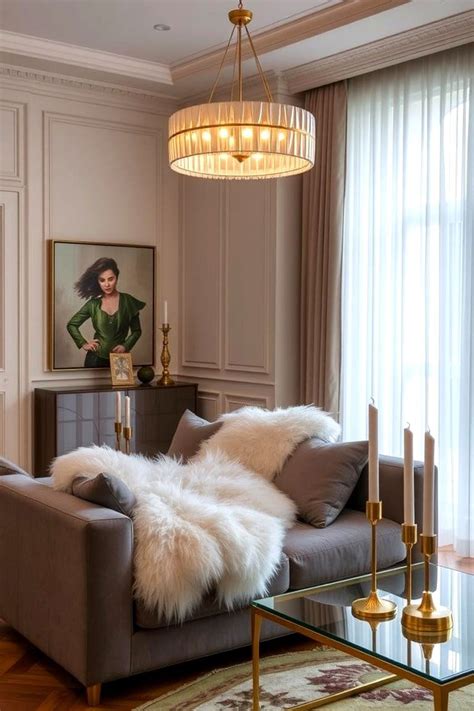
When shopping for luxury floor accents, homeowners typically weigh the choice between authentic animal skins—such as genuine sheepskin, lambskin, or cowhide—and advanced synthetic alternatives. Genuine hides offer organic variations in color, unmatched natural resilience, and a distinct breathability that synthetic fibers cannot fully replicate. Each genuine piece carries unique markings, ensuring your room features a truly one-of-a-kind design element that ages gracefully over time with proper conditioning and care.
Conversely, premium faux fur textiles have evolved significantly, offering remarkable softness and visual authenticity while aligning with cruelty-free preferences. High-end synthetic options usually feature dense acrylic or polyester blends that mimic the sheen and density of real pelts at a more accessible price point. Furthermore, faux varieties often provide greater versatility for households with pets or children because they can tolerate more frequent spot-cleaning and are less susceptible to the natural shedding sometimes associated with authentic animal fibers.
Strategic Placement: Where to Showcase Plush Rugs in Your Floor Plan

Determining the ideal location for a statement textile depends heavily on traffic patterns and room proportions. In the living room, placing a mid-sized sheepskin or faux fur pelt diagonally across a low-pile woven rug introduces a sophisticated layered look. This technique breaks up monotonous flooring surfaces like wall-to-wall carpeting or standard hardwood planks, drawing the eye toward seating groups and creating an intentional, designer-curated arrangement.
Bedrooms represent another ideal zone for plush floor coverings, particularly when positioned right beside the bed or at the foot of the mattress. Stepping onto a thick, cushioned surface first thing in the morning offers an immediate sensory upgrade to your daily routine. Smaller accent pelts also work wonderfully draped over the seat of an armchair in a reading corner or softening a wooden bench in a spacious entryway, establishing a cohesive theme of comfort throughout the residence.
Harmonizing Textures Across Diverse American Interior Styles
Integrating rich, fluffy textiles into your decor depends largely on balancing them with contrasting materials to prevent visual overload. In contemporary or minimalist spaces characterized by clean lines, sleek metals, and neutral color palettes, a shaggy faux fur accent introduces necessary warmth and breaks up the austerity of concrete or glass surfaces. Pair the rug with smooth leather sofas or sleek walnut coffee tables to establish a balanced dialogue between sleek architectural elements and organic plushness.
For rustic, farmhouse, or bohemian interiors, these tactile rugs feel right at home alongside natural wood grains, woven baskets, and heavy knit blankets. The key is to vary the scale and density of your textiles; pair a high-pile flokati or sheepskin rug with tighter weaves like jute or sisal to maintain visual interest. By deliberately contrasting smooth, rough, and ultra-soft surfaces, your living space gains multidimensional depth that feels thoughtfully composed rather than cluttered.
Frequently Asked Questions
How do I clean and maintain a fur rug in a high-traffic area?
Routine maintenance involves gentle shaking to dislodge trapped dust and debris, followed by light vacuuming using a suction-only attachment without a rotating beater brush. For faux fur, most manufacturers recommend gentle spot-cleaning with mild detergent and cold water, followed by air drying and gentle brushing to restore fluffiness. Genuine hides may require professional leather cleaning services to preserve their natural oils and backing.
Are faux fur rugs durable enough for households with pets and children?
Yes, many premium synthetic fur rugs handle moderate household traffic quite well if chosen wisely. Look for tightly woven backing materials and high-density acrylic or polyester fibers that resist matting. However, because long-pile fibers can trap pet hair and crumbs more readily, frequent gentle brushing and regular shaking are necessary to keep them looking pristine.
Can I layer a fur rug on top of existing wall-to-wall carpet?
Layering a smaller accent rug over wall-to-wall carpeting is a popular design trick, but it requires careful execution to prevent bunching or slipping. Ensure you use a quality non-slip rug pad specifically designed for carpet-on-carpet use. This keeps the plush layer securely anchored in place, prevents shifting underfoot, and creates a stable, visually appealing focal point.


