A well-designed living room requires a careful balance between open floor space and vertical storage. When store-bought furniture fails to fit awkward architectural quirks or specific design visions, building your own shelving offers a practical remedy. Crafting custom displays allows you to dictate the exact dimensions, finish, and load capacity required for your household items, whether you plan to showcase heavy hardcover books or delicate ceramic sculptures.
Navigating this project successfully means recognizing the fundamental differences between permanent installations and temporary setups. Homeowners often gravitate toward sturdy brackets anchored directly into wall studs, while apartment dwellers need reliable damage-free or minimal-patch alternatives. By addressing both structural integrity and aesthetic styling from the outset, you can create functional storage that elevates your entire living area without compromising lease agreements or wall stability.
Assessing Your Living Room Space and Storage Needs
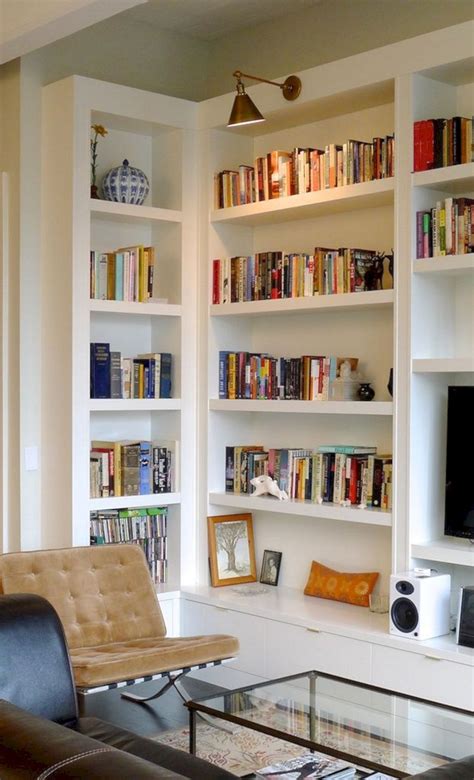
Before purchasing lumber or lifting a hammer, evaluate how your living room functions day-to-day. Take note of unused vertical areas, such as the blank wall above a sofa or the awkward alcove beside a fireplace. Measuring available clearance ensures your finished boards will not obstruct walkways or block natural light sources from windows. Consider what items will actually live on these surfaces, as everyday storage requires deeper boards than purely decorative displays.
Different layouts demand distinct approaches to scale and proportion. In compact urban apartments, soaring vertical towers draw the eye upward and create an illusion of higher ceilings. Conversely, sprawling suburban living rooms often benefit from long, low-profile floating ledges that anchor heavy furniture pieces like media consoles. Matching your shelf depth to your intended objects prevents visual clutter and ensures the structural hardware remains safely within its rated capacity limits.
Permanent versus Renter-Friendly Installation Options
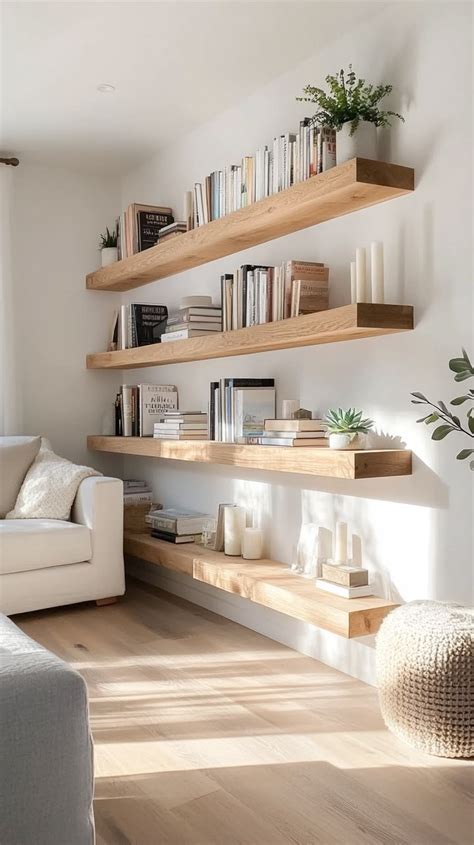
Homeowners have the freedom to drive heavy-duty structural screws directly into wall studs or toggle bolts into drywall, creating robust foundations capable of supporting substantial weight. When working with standard drywall spaced sixteen inches apart, locating studs with a reliable electronic finder is a critical first step. Plaster walls, frequently found in older American homes, require masonry bits and specialized anchors to prevent crumbling during installation.
Renters face strict lease limitations regarding wall damage, but modern hardware innovations provide excellent alternatives. Heavy-duty adhesive mounting strips and leaning ladder shelves offer substantial storage without requiring permanent holes in drywall. If small nail holes are permitted, lightweight picture-ledge systems supported by multiple micro-pins minimize patching work upon moving out. Tension-rod shelving units also provide vertical organization between floor and ceiling without disturbing the surrounding wall surfaces at all.
Selecting Materials and Essential Tools for Beginners
Selecting the right lumber dictates both the aesthetic warmth and the durability of your project. Common domestic hardwoods like oak and maple offer exceptional strength and a refined grain pattern, but softwoods like pine provide an affordable, easy-to-cut alternative for beginner woodworkers. Plywood boards work wonderfully for box-style built-ins, while dimensional lumber serves standard floating shelf designs exceptionally well.
You do not need an extensive professional workshop to construct beautiful living room ledges. A standard cordless drill, a reliable level, a sander, and safety glasses form the core toolkit required for most basic shelf installations. Many home improvement retailers will even make preliminary cross-cuts for you if you provide precise room measurements beforehand, significantly reducing the woodworking skill required to achieve a clean, professional finish.
Styling Your New Shelves with Purpose and Balance
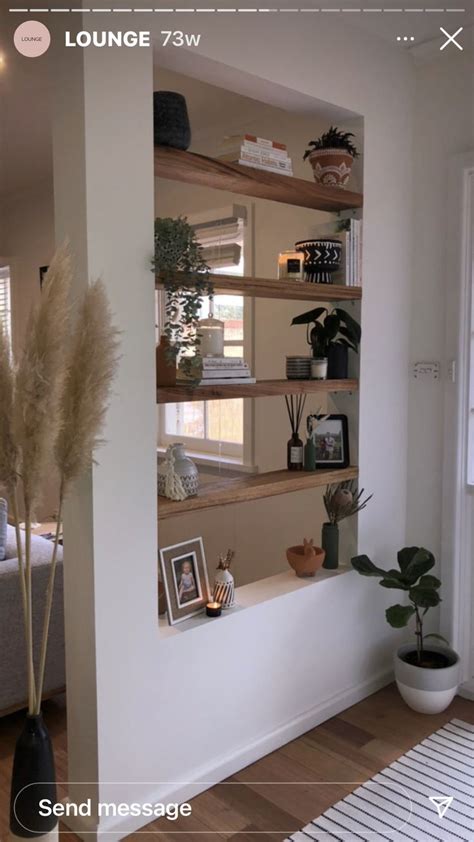
Once your shelves are securely mounted, styling transforms raw timber into an intentional design feature. Avoid crowding every square inch with knick-knacks; instead, embrace negative space to let individual statement pieces breathe. Group objects in odd numbers—trios often feel more visually balanced to the human eye than even groupings—and mix textures by pairing smooth ceramics with woven baskets or organic greenery.
Incorporate a mix of vertical and horizontal lines to prevent visual stagnation. Stack some books horizontally to act as elevated pedestals for smaller decorative items, while standing other volumes vertically with bookends. Tying the shelf colors back to existing living room textiles, such as throw pillows or area rugs, creates a cohesive narrative that unites the entire space into a polished, designer-worthy room.
Frequently Asked Questions
What are the best DIY shelving solutions for renters who cannot drill into walls?
Renters can utilize leaning ladder shelves, tension-rod systems, or heavy-duty adhesive mounting brackets designed to hold moderate weight without puncturing drywall. Always verify the manufacturer’s weight limit before placing heavy items on damage-free displays.
How do I choose the right wood and brackets for heavy living room items?
For heavy items like dense book collections, select solid hardwood boards at least one to two inches thick and pair them with heavy-duty metal brackets anchored directly into wall studs. Avoid particle board or thin decorative trim for heavy load-bearing zones.
What tools do I need to start a beginner-friendly DIY shelf project?
Essential beginner tools include a cordless drill, a spirit level for straight alignment, sandpaper for smoothing rough edges, and appropriate wall anchors or screws. Many hardware stores will cut the wood to size for you to simplify the process.
How can I style my new shelves so they look intentional and uncluttered?
Use the rule of odds by grouping items in sets of three, incorporate negative space between displays, and mix textures by combining books, ceramics, and plants. Tying your shelf accent colors to existing room textiles creates a cohesive look.


