Shopping for living room sets requires a careful balance of aesthetic appeal, spatial constraints, and daily comfort. Whether you have recently purchased a suburban house or are signing a new lease on an urban apartment, your choice of seating dictates the functional flow of your home. Across the United States, current furniture market trends show a distinct split in what buyers prioritize: homeowners frequently look for generational durability and expansive scale, while renters lean toward modular versatility and easy maneuverability through tight stairwells. Understanding how these priorities align with your specific lifestyle ensures that your furniture investment remains valuable through multiple seasons of life, reconfigurations, and potential moves.
Navigating the vast selection of best-selling living room packages can feel overwhelming without a clear framework. Traditional matching sofa and loveseat combinations offer a timeless, coordinated look that anchors formal spaces, whereas modern modular sectionals provide endless layout configurations for open-plan living. By examining material specifications, frame construction, and scaling requirements, you can cut through marketing terminology and select pieces that genuinely suit your square footage and household traffic patterns. The following breakdown explores top-performing styles, practical shopping criteria, and essential trade-offs to guide your next furniture purchase.
Homeowners Versus Renters: Core Furniture Selection Criteria
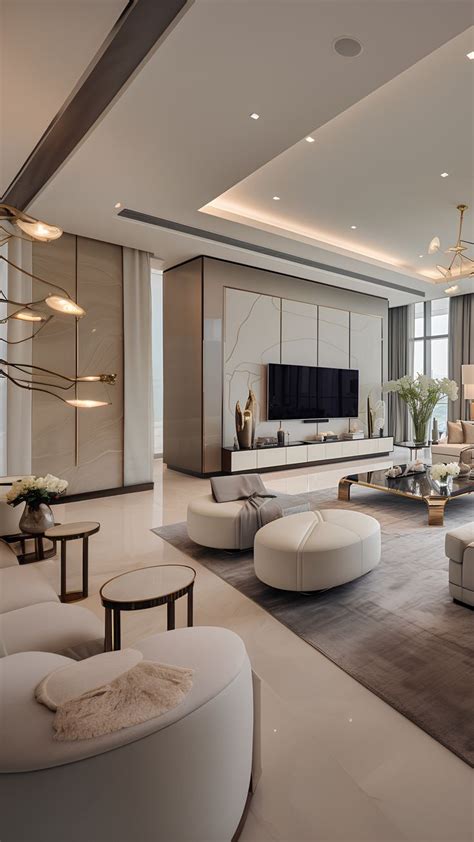
The primary dilemma when shopping for living room sets is reconciling your current living situation with your long-term plans. Homeowners typically approach furniture acquisition as a permanent design investment. They look for robust hardwood frames, high-density foam cushions wrapped in down, and substantial upholstery that can withstand decades of family life. Because floor plans in permanent homes are fixed, homeowners often select larger stationary sofas paired with matching armchairs, coffee tables, and console units that fill out spacious rooms without the need for future reconfiguration.
Renters, conversely, face a unique set of spatial challenges that make adaptability the highest priority. Moving from a compact one-bedroom apartment to a multi-room townhouse means furniture must be able to adapt to entirely different room dimensions and entry point restrictions. For renters, best-selling choices lean heavily toward reversible sectionals and modular pieces that can be broken down or reconfigured. Furthermore, apartment dwellers must consider lightweight frames and tool-free assembly options that simplify the moving process, preventing costly damage to walls and stairwells during transition periods.
Top-Selling Living Room Styles in the U.S. Market
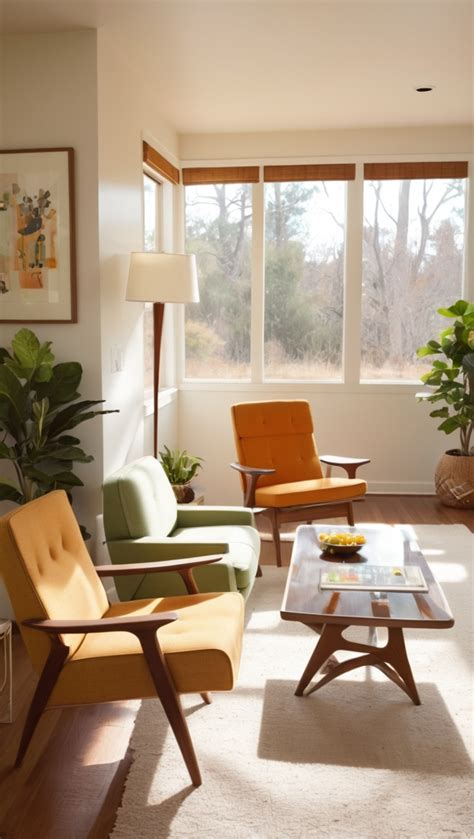
Consumer preferences across the United States generally gravitate toward three dominant design categories: clean-lined modern minimalism, warm mid-century modern, and classic transitional styles. Modern minimalist sets feature low profiles, neutral color palettes, and slim track arms that maximize seating space in smaller footprints. These designs rely on texture rather than heavy patterns, making them exceptionally versatile for open-concept spaces where the living room flows directly into the kitchen or dining area.
Mid-century modern living room sets remain perennial favorites due to their iconic tapered wooden legs, organic shapes, and tailored button-tufting. This style bridges the gap between retro charm and contemporary utility, fitting seamlessly into both historic urban brownstones and newly constructed suburban builds. Meanwhile, transitional furniture combines the comfort of traditional upholstery with the clean simplicity of modern design. These sets often feature durable performance fabrics in versatile gray, beige, or navy tones, offering a foolproof foundation that adapts easily if you decide to change your accent pillows, rugs, or wall color later on.
Evaluating Durability and Frame Construction
No matter how visually appealing a living room set appears on a showroom floor, its long-term value depends entirely on internal construction quality. When reviewing specifications for top-selling couches and accent chairs, examine the frame materials first. Premium sets feature kiln-dried hardwood or engineered plywood frames secured with corner blocks, dowels, and heavy-duty staples or screws. Avoid frames made primarily of particle board or unreinforced softwoods, as these materials tend to warp, creak, and fail under normal daily use within just a few years.
Cushion construction is the next critical factor dictating comfort and longevity. High-resilience polyurethane foam wrapped in fiber or encased in feather-blend channels offers the ideal combination of initial plushness and supportive recovery. Lower-end foam tends to sag permanently after a few months of heavy sitting. For households with children or pets, upholstery choice is equally vital. High-traffic families benefit greatly from performance fabrics like solution-dyed acrylics and tightly woven microfiber that resist stains, repel pet hair, and withstand frequent cleaning without losing their color saturation or soft hand-feel.
Maximizing Space with Modular and Apartment-Sized Sets
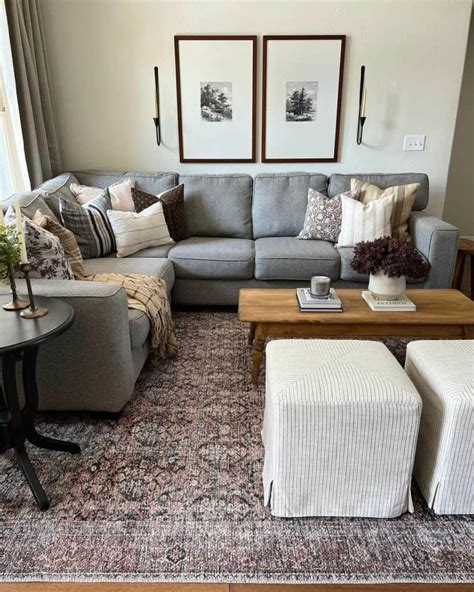
For urban dwellers and those with compact floor plans, standard three-piece living room suites can easily overwhelm a room. The market response to this spatial challenge has been the explosive popularity of compact modular sectionals and apartment-scaled sofas. These configurations allow you to separate or rearrange individual seating modules to fit awkward corners, narrow entryways, or multi-functional rooms that double as home offices. A chaise component that can be switched from the left side to the right side provides essential flexibility when you sign a new lease with a completely mirrored floor plan.
Space-saving strategies extend beyond the main seating pieces. Many best-selling living room sets now come bundled with nesting coffee tables, ottoman storage units, or slim profile side tables that reduce visual clutter. Utilizing hidden storage within an ottoman allows renters and apartment owners to keep extra throw blankets, board games, or electronic accessories out of sight while maintaining a clean, open aesthetic. When floor space is at a premium, every piece of furniture must pull double duty to keep the room functional and inviting.
Frequently Asked Questions
What are the key differences when buying living room furniture as a homeowner versus a renter?
Homeowners generally prioritize long-term durability, fixed sizing, and premium materials like kiln-dried hardwood frames because the furniture is meant to stay in one place. Renters prioritize modularity, lightweight construction, and flexibility so the pieces can be easily reconfigured or moved into entirely different room layouts during future relocations.
Are modular sectionals better than traditional sofa and loveseat sets?
Neither is objectively better, but they serve different needs. Modular sectionals are superior for irregular layouts, open-concept spaces, and frequent movers because they can be rearranged. Traditional matching sofa and loveseat sets provide a formal, balanced look that works wonderfully in dedicated, permanent living rooms with fixed wall space.
What upholstery fabrics are best for homes with pets and children?
Performance fabrics such as solution-dyed acrylics, Crypton, and tight-weave microfibers are widely considered the best options. These materials resist liquid absorption, prevent pet claws from snagging loose threads, and can be easily spot-cleaned with mild soap and water without damaging the fabric texture.
How can I ensure my new living room furniture will fit through my apartment building’s hallways?
Always measure your building’s entryways, elevator dimensions, and narrowest stairwell turns before purchasing. Look for furniture featuring removable legs, low-profile backs, or modular sections that ship in separate boxes to ensure smooth delivery and hassle-free maneuverability.


