Investing in a 3-piece living room set that includes a reclining couch, a matching loveseat, and often a coordinating armchair or wedge offers an unbeatable combination of relaxation and shared seating capacity. However, because reclining furniture possesses significant physical bulk and visual weight, bringing these sets into a standard American home requires careful planning. Without taking proper measurements of your room dimensions, traffic flow, and wall clearance, even the most comfortable living room furniture can quickly make a space feel cramped and difficult to navigate.
This comprehensive guide examines how to select the right 3-piece reclining set for your household, evaluate mechanical options, and arrange oversized upholstery pieces harmoniously within both open-concept floor plans and traditional closed living rooms. By focusing on practical spatial requirements and lifestyle needs, you can achieve a cohesive, relaxing environment without sacrificing everyday functionality or aesthetic appeal.
Anatomy of a 3-Piece Reclining Living Room Set
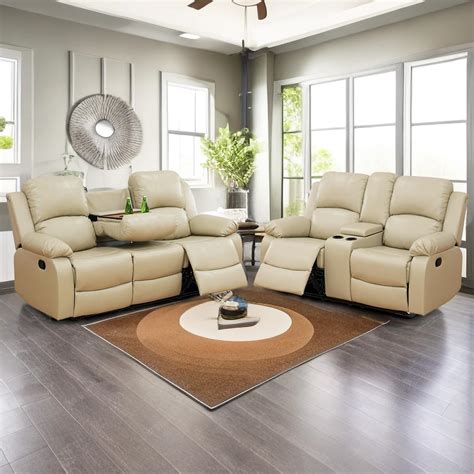
Standard 3-piece reclining furniture packages typically pair a full-size reclining sofa with a matching reclining loveseat, complemented by either a single stationary armchair, a matching recliner, or a specialized corner wedge. Understanding the specific function of each component helps you determine whether a traditional bundle matches your daily routine. For instance, a standard three-person sofa usually features built-in recliners on the two outer seats, while the middle seat remains stationary. Loveseats often include a central console with cup holders and hidden storage, making them popular choices for media rooms and family gathering spaces.
When evaluating these configurations, consider how your household actually uses the living room. If multiple family members prefer to lounge simultaneously, a sofa and loveseat combination provides ample seating for at least five adults. However, adding a third independent piece to a smaller room can easily overwhelm the floor plan. Weighing the physical footprint of each individual item against your room’s active walking paths ensures that your chosen configuration feels welcoming rather than overcrowded.
Evaluating Reclining Mechanisms: Manual vs. Power and Wall-Huggers
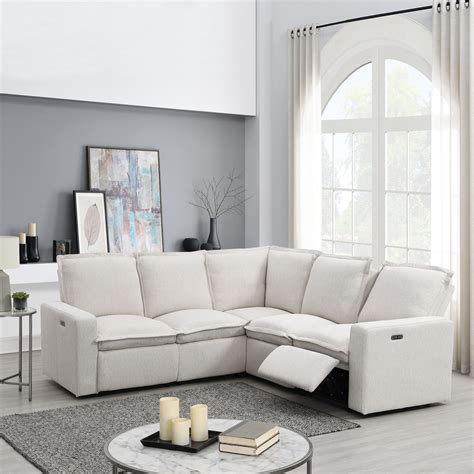
The internal mechanism of your reclining furniture dictates both daily convenience and spatial placement. Manual recliners rely on a pull-handle or latch mechanism combined with body weight to push the footrest out and lean the backrest down. They are generally more budget-friendly and do not require proximity to a wall electrical outlet, offering flexible placement anywhere in the room. On the other hand, power recliners operate via smooth electric motors controlled by discreet buttons, allowing users to stop the footrest and headrest at any customized angle with minimal physical effort.
Another vital mechanical consideration is wall clearance. Traditional recliners require up to a foot or more of empty space behind the backrest to fully extend into the reclining position, which can pull your furniture far away from the walls and disrupt room flow. Wall-hugger recliners solve this spatial dilemma by sliding forward on a track as they recline, requiring only a few inches of clearance behind the frame. Selecting wall-hugger options is especially crucial for medium and compact U.S. living rooms where every square inch of floor space counts.
Essential Spatial Planning and Measuring for American Living Rooms
Before purchasing any bulky reclining set, mapping out your room’s dimensions and architectural features is an absolute necessity. American living rooms vary widely, from compact urban apartments to sprawling suburban open-concept great rooms. Start by measuring the exact length and width of your walls, making sure to account for immovable obstacles such as heating vents, electrical outlets, baseboard heaters, and entry doorways. Reclining furniture arrives in large, heavy cartons, so you must also verify that your front door, hallways, and stairwells can accommodate the delivery boxes without obstruction.
Clearance is equally important once the furniture is assembled and positioned. Leave at least thirty inches of clear walking space around the perimeter of your primary seating arrangement to maintain natural traffic patterns between the kitchen, entryway, and hallway. If your layout places the couch opposite the loveseat, leave a minimum of four to five feet of open floor space between them to accommodate a coffee table, leg movement, and comfortable knee clearance when individuals are seated directly across from one another.
Material and Upholstery Choices for Daily U.S. Living
Upholstery selection bridges the gap between aesthetic style and practical everyday durability. Leather and heavy-duty performance fabrics are leading choices for high-traffic American living rooms, particularly in households with children, pets, or frequent guests. Top-grain leather offers a sophisticated look and wipes clean easily from minor spills, though it requires occasional conditioning to prevent cracking and can feel warm in hotter climates. Conversely, tightly woven synthetic performance fabrics provide breathable texture, excellent stain resistance, and a softer tactile experience without demanding intensive maintenance routines.
Frame construction and cushion density are hidden factors that dictate the long-term lifespan of your furniture set. Look for frames built from kiln-dried hardwood or engineered metal reinforcements that resist warping over years of heavy use. High-resiliency foam cushions wrapped in fiber or down blends offer superior support that bounces back after extended lounging sessions, preventing the sagging and permanent indentation commonly found in lower-quality foam configurations.
Arranging a Couch and Loveseat Without Overwhelming the Room
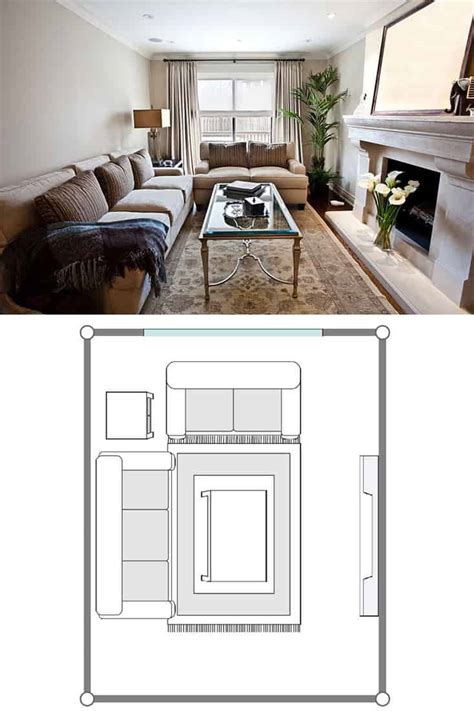
Arranging a large couch and a matching reclining loveseat together requires careful attention to balance and focal points. In traditional closed living rooms, placing the couch along the longest solid wall and floating the loveseat perpendicular to it creates an inviting L-shaped conversation area. This arrangement naturally anchors the room around a primary focal point, such as a fireplace, entertainment center, or large window view, while keeping pathways clear.
In open-concept floor plans, a 3-piece set can help define living spaces boundaries within a larger multi-use area. By floating both the couch and the loveseat away from the walls—with the back of the sofa facing the entryway or dining area—you establish a distinct psychological boundary for the lounge zone. Pairing this arrangement with a large area rug that sits underneath all front legs of the furniture ties the independent pieces together into a unified, intentional design statement.
Frequently Asked Questions
What pieces typically make up a 3-piece reclining living room set?
A standard 3-piece reclining set usually consists of a full-size three-seater reclining couch and a matching two-seater reclining loveseat. Depending on the manufacturer, the third piece may be a stationary armchair, a matching single recliner, or a specialized corner wedge designed for sectional-style arrangements.
How much space do I need behind a reclining couch or loveseat?
Traditional reclining furniture often requires 10 to 14 inches of clearance behind the backrest to fully extend. If you have limited space or want your furniture placed close to the wall, look for wall-hugger reclining models, which slide forward as they recline and typically require only 3 to 5 inches of rear clearance.
Are power recliners better than manual recliners for everyday use?
Power recliners offer smoother, infinite-position adjustments and built-in features like USB ports or power headrests, making them ideal for personalized comfort. However, manual recliners are often more affordable, require no electrical cords running across your floor, and are simpler to repair if mechanical issues arise.
How do I fit a 3-piece set into a small or medium-sized living room?
To fit a bulky 3-piece set into a modest space, opt for wall-hugger mechanisms, choose lighter neutral upholstery colors to enhance the feeling of openness, and avoid blocking natural light sources or primary walkways. Arranging pieces in an open L-shape rather than parallel block formations also preserves valuable floor area.
What is the best way to arrange a couch and reclining loveseat together?
An L-shaped configuration is generally the most effective layout for a couch and loveseat. Place the larger couch against the primary feature wall and set the loveseat along an adjacent wall or float it to define an open-concept space, ensuring ample walking clearance between them.