When planning a getaway that involves a large group or a growing household, choosing the right shelter makes all the difference between a memorable trip and a stressful ordeal. Navigating the expansive market of dozens of multi-room shelters can feel overwhelming, especially when trying to balance privacy, weather protection, and ease of transport. A well-chosen multi-room setup transforms an ordinary campsite into a functional temporary home, offering distinct zones for sleeping, lounging, and storing equipment securely out of the elements.
For American families venturing out to state parks, national forests, or private campgrounds, evaluating structural reliability and interior flexibility is essential. Rather than getting lost in endless product listings, understanding the core design categories helps you narrow down options efficiently. This approach ensures your investment matches your specific camping style, whether you frequent breezy coastal sites or rainy mountain valleys.
Understanding Multi-Room Layouts and Privacy Dividers
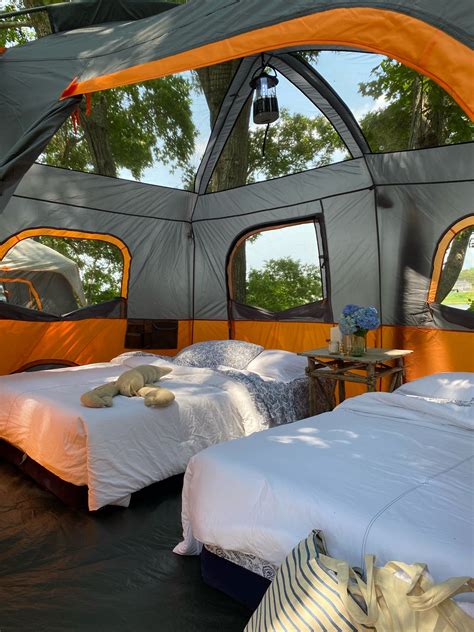
The defining feature of a large multi-room shelter is its internal configuration, which typically utilizes fabric partition walls to create distinct living zones. These dividers usually zip open and shut, allowing families to configure the interior as a single massive hall during the day and separate sleeping compartments at night. This flexibility is particularly useful for parents traveling with young children who require an early bedtime while others remain awake in the central common area.
When assessing these layouts, pay close attention to the placement of doors and windows relative to the internal dividers. A smart design includes separate exterior access doors for individual rooms, reducing the need for family members to disturb each other when coming and going. Additionally, check the opacity and thickness of the partition walls, as lower-end models may feature translucent fabrics that offer minimal visual privacy when interior lights are turned on at night.
Weather Resistance and Durability Across Diverse US Climates
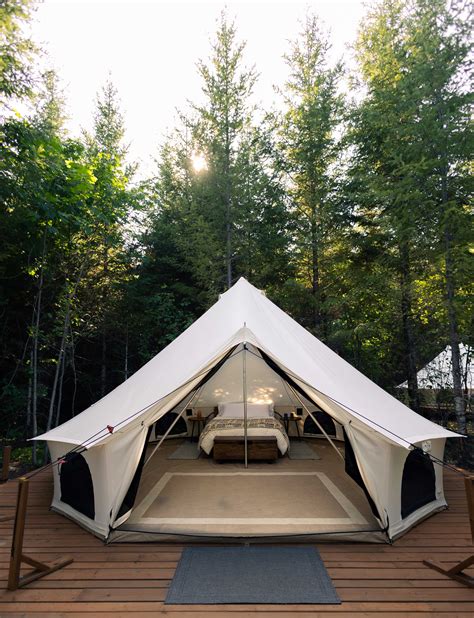
Camping across North America exposes shelters to vastly different weather patterns, from sudden afternoon thunderstorms in the Midwest to heavy mountain winds out West. High-capacity shelters require robust framing systems—often combining steel and fiberglass poles—to maintain structural integrity under pressure. Look for models featuring factory-sealed seams, reinforced corner patches, and high hydrostatic head waterproof ratings on both the rainfly and the bathtub flooring to prevent ground moisture seepage.
Ventilation is another critical factor closely tied to weather performance, particularly in humid southern regions or during warm summer nights. Multi-room models with mesh ceilings, adjustable ground vents, and rainfly awnings allow continuous airflow while keeping precipitation outside. Proper cross-ventilation significantly minimizes internal condensation, keeping sleeping bags and personal gear dry and comfortable throughout your stay.
Transport Logistics and Campground Site Compatibility

Before purchasing a sprawling multi-room tent, consider the practical logistics of packing, transport, and campsite spatial requirements. These expansive structures typically pack down into heavy, bulky duffels that demand significant trunk or roof-rack space alongside coolers, sleeping pads, and cooking gear. Ensuring your vehicle can comfortably accommodate the packed dimensions prevents last-minute packing frustration before departure.
Furthermore, standard campsites in popular American state and national parks often have defined tent pad boundaries. An exceptionally wide footprint might exceed these pad limits or require careful positioning to avoid sloping terrain. Measuring your preferred tent’s footprint against typical campground site dimensions ensures you will not encounter setup hurdles upon arrival at your destination.
Frequently Asked Questions
How hard is it to set up a 3-room family tent?
Setup complexity varies by manufacturer and pole structure, but most multi-room shelters require at least two adults and take between twenty to forty minutes to assemble. Color-coded pole systems and continuous pole sleeves significantly streamline the process, making it much more manageable for first-time users.
What size 3-room tent do I need for my family size?
While manufacturer capacity ratings indicate how many sleeping bags fit side-by-side, a comfortable rule of thumb is to subtract two from the stated capacity to account for camping cots, luggage, and movement space. A tent rated for ten people provides a comfortable living experience for a family of four or five.
Can these large tents withstand heavy rain and wind?
Yes, provided they are properly staked out and guy lines are secured. However, due to their large surface area, multi-room tents are more susceptible to wind loads than compact backpacking models. Always orient the lowest profile of the tent toward prevailing winds and use heavy-duty stakes.
How do privacy dividers work in internal layouts?
Internal privacy dividers are typically made of lightweight tent fabric attached with toggles or zippers along the seams. They can be rolled back and secured against the walls when not in use or zipped closed to create separate bedrooms or changing areas.


