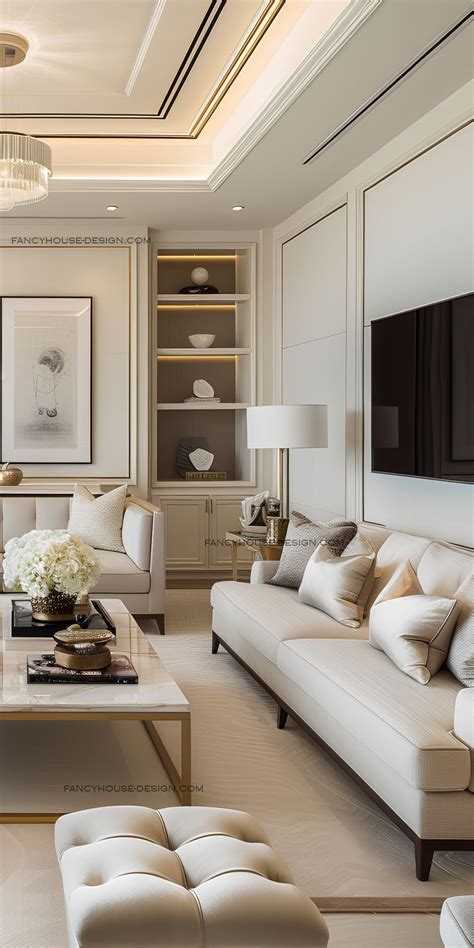
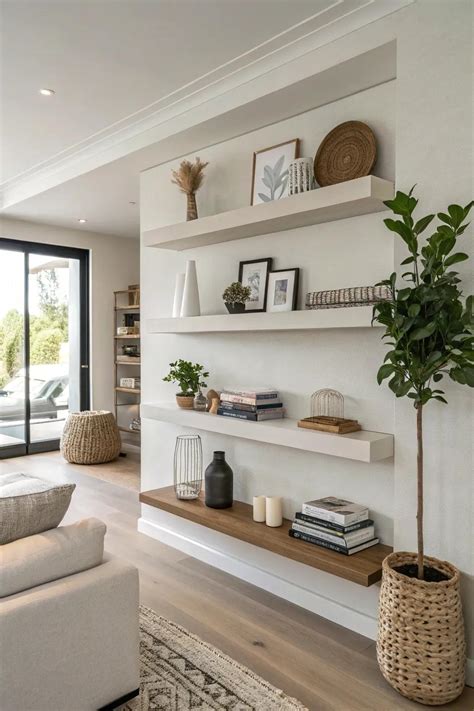
Designing a comfortable and functional living room often starts with the most significant furniture investments. For many homeowners and renters across the United States, 3-piece living room sets offer an efficient, budget-friendly shortcut to a unified aesthetic. Whether you are moving into a newly constructed suburban colonial or a compact urban apartment, choosing a matched collection eliminates the guesswork of coordinating separate items. However, successfully integrating these multi-piece bundles requires careful attention to scale, traffic flow, and personal style.
While buying pre-matched furniture has traditional roots, modern manufacturing has evolved to offer sleek profiles, performance fabrics, and flexible configurations that suit contemporary living. This guide explores everything you need to know about evaluating, measuring, and styling a three-piece furniture collection to ensure your living room feels intentional rather than catalog-dependent.
Understanding What Makes Up a 3-Piece Living Room Set
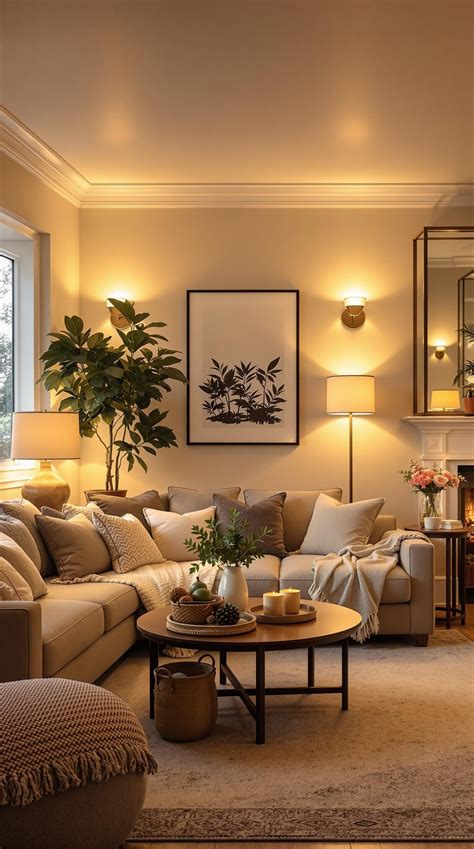
When shopping for a 3-piece living room set, configurations generally fall into two distinct categories: seating-focused bundles or occasional table collections. Seating sets most commonly pair a full-sized sofa with a matching loveseat and an armchair, or sometimes a sofa, armchair, and ottoman. Conversely, table collections typically feature a central coffee table paired with two matching end tables. Knowing which configuration your space requires is the foundational step in avoiding overcrowded or under-furnished rooms.
Seating sets are ideal for open-concept homes or larger living rooms that require substantial family gathering space. They provide guaranteed visual harmony because the wood finishes, leather tones, or fabric weaves are identical. On the other hand, table sets anchor your seating arrangement, providing essential surface area for lamps, books, and everyday beverages while tying together the metal, glass, or wooden elements already present in your architecture.
Assessing Your Living Room Layout and Scale
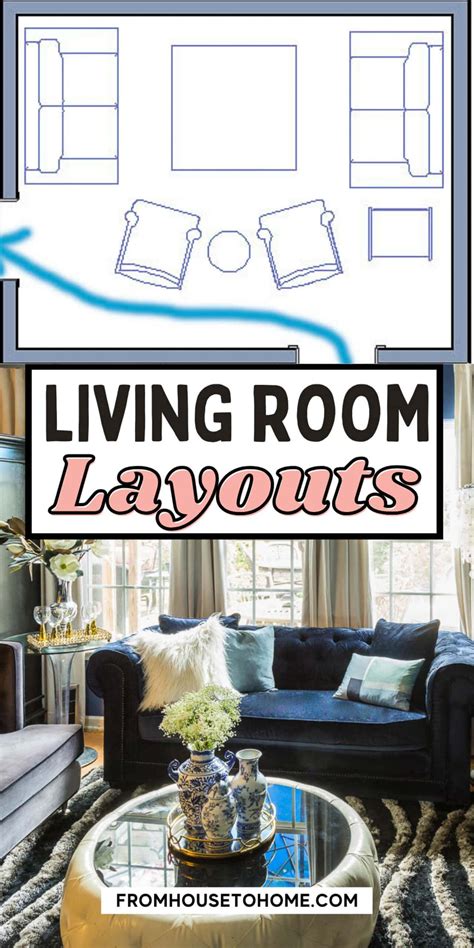
Before committing to any furniture purchase, taking precise measurements of your room is non-negotiable. American living rooms vary wildly, from narrow brownstone parlors to sprawling suburban great rooms. A three-piece seating set commands considerable visual and physical square footage, meaning that improper scaling can instantly make a room feel cramped or disjointed.
Create a simple floor plan sketch and mark all architectural features, including doorways, heating vents, electrical outlets, and windows. Ensure you leave at least thirty inches of clear walking path around major furniture pieces to maintain natural traffic flow. If you live in a smaller apartment, consider a set featuring a loveseat rather than a full sofa, paired with an apartment-scaled armchair to preserve breathing room.
Evaluating Materials and Durability for Daily Life
Furniture longevity depends heavily on the internal construction and exterior upholstery materials. When evaluating frames, look for kiln-dried hardwood or engineered wood reinforced with corner blocks and heavy-duty staples or dowels. Flimsy frames will begin to creak and wobble within months of regular use, particularly in households with active children or large pets.
Upholstery choice should directly reflect your household habits. Performance fabrics, such as tightly woven synthetic blends treated with stain-resistant finishes, are essential for high-traffic family rooms. If you prefer the timeless look of leather, opt for top-grain or semi-aniline finishes that develop a rich patina while resisting punctures and everyday wear better than bonded alternatives.
Styling and Breaking Up the Uniform Look
One common hesitation regarding matched furniture sets is that they can make a living room look overly sterile or like a showroom floor rather than a personalized home. Fortunately, breaking up the uniformity is entirely achievable through thoughtful layering and accessorizing. The goal is to let the 3-piece set serve as a neutral, high-quality foundation while your personal style shines through smaller decorative elements.
Introduce contrasting textures by draping a chunky knit throw blanket over the arm of the sofa or scattering patterned linen pillows across the loveseat. Incorporate natural elements like potted plants or a woven jute rug to soften clean lines and hard edges. By varying materials in your decor—such as adding a ceramic lamp or a vintage brass tray to your end tables—you instantly neutralize the matchy-matchy effect.
Frequently Asked Questions
What pieces are usually included in a 3-piece living room set?
A 3-piece living room set typically includes either three seating pieces (such as a sofa, loveseat, and armchair) or three coordinating tables (a coffee table and two matching end tables). Some modern seating collections may swap the loveseat or armchair for a matching storage ottoman or chaise lounge.
How do I know if a 3-piece set will fit my living room dimensions?
To determine if a set will fit, measure your room’s exact dimensions and map out the furniture footprint using painter’s tape on the floor. Always account for walking clearances, ensuring you leave at least 30 inches of open pathway around major items to prevent the room from feeling blocked.
Are matching furniture sets outdated for modern homes?
Pre-matched sets are not outdated, but styling them requires a conscious effort to avoid a rigid showroom look. Interior designers frequently use matched foundational pieces and then layer in unique accent chairs, diverse textiles, personal artwork, and varied lighting to create an eclectic, curated appearance.
How can I mix and match accessories with a uniform set to add personality?
You can easily personalize a uniform furniture set by introducing contrasting colors and textures through throw pillows, blankets, area rugs, and window treatments. Additionally, mixing different materials on your tables, such as ceramics, wood, and metal, adds visual depth and breaks up the uniformity.