Finding the right living room console goes far beyond picking a piece of furniture that simply matches your sofa. In a typical American home, the console acts as a multi-functional anchor. It might need to support a large flat-screen television, house gaming consoles, hide a tangled web of power cords, or serve as a slim drop zone behind a floating sofa. Because living rooms shoulder so many daily activities, your choice must successfully bridge the gap between high-end visual appeal and heavy-duty practical performance.
When evaluating different categories of living room consoles, it helps to look closely at your room layout, your storage habits, and your family’s lifestyle. A sleek minimalist media cabinet works wonders in a formal urban apartment, but a busy suburban household with children and pets might require rounded corners, durable solid wood construction, and robust cabinet doors to keep clutter out of sight. By understanding the core design categories and sizing requirements, you can invest in a piece that looks stunning and serves your household for years.
Assessing Size, Scale, and Room Flow
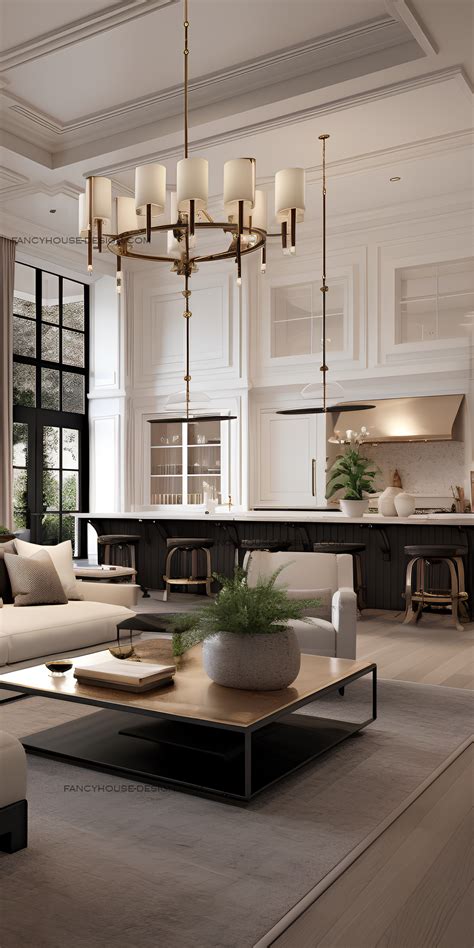
Before browsing styles or finishes, precise measurements are your most reliable tool. The golden rule for selecting a media or sofa console is to ensure it leaves adequate clearance for both visual breathing room and physical traffic. If you are placing a console beneath a wall-mounted TV, the general design guideline is for the console to be at least a few inches wider on each side than the screen itself, creating a balanced, grounded foundation.
Walkway clearance is equally critical in American floor plans, particularly in open-concept layouts. You should maintain at least thirty to thirty-six inches of clear walking space between the front of your console and a coffee table, armchair, or high-traffic pathway. Ignoring this spacing can make even a spacious living room feel cramped and restrictive. Always measure your baseboards, check for protruding heating vents, and account for the swing radius of any cabinet doors or drawers before making a final selection.
Media Consoles and Entertainment Centers
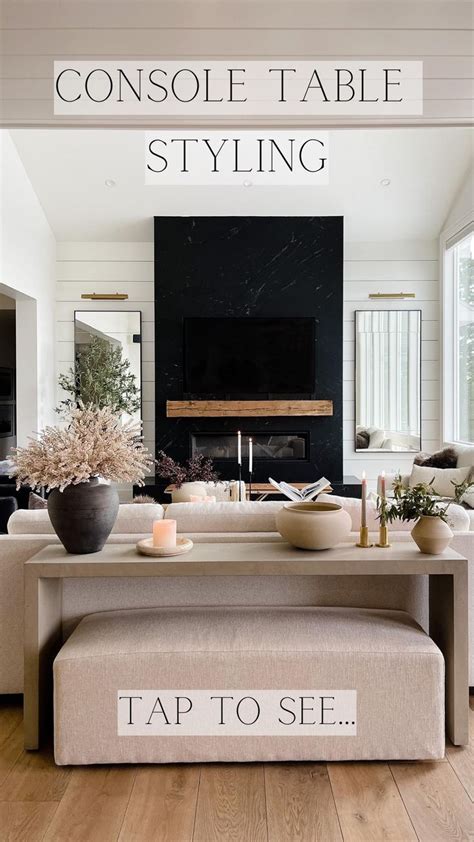
For most households, the living room console doubles as an entertainment center. When housing streaming boxes, soundbars, and gaming gear, proper ventilation and cable management become non-negotiable features. Look for console designs that feature discreet rear cutouts or integrated channels to route power cords away from plain view. Without these built-in management solutions, wires quickly become tangled dust-collectors that detract from your interior styling.
Storage configurations within media consoles generally split between open shelving and closed cabinets. Open shelves provide easy remote-control access and display space for curated books or baskets, but they also expose every single wire and device. Closed-cabinet designs utilizing slatted wood or perforated metal doors offer a clever compromise, allowing infrared remote signals to pass through while keeping visual clutter completely hidden. Consider your daily habits: if you prefer a clean, serene aesthetic, closed storage is almost always the superior choice.
Slim Sofa Tables and Entryway Consoles
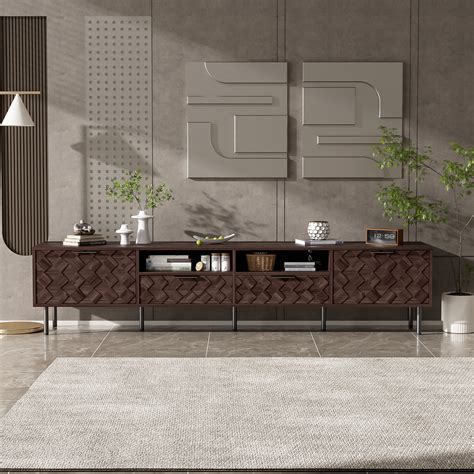
Not every living room console is designed to hold a television. Behind a floating sectional or sofa, a narrow console table acts as a brilliant space-defining element. These slim profiles—often measuring twelve to fifteen inches in depth—provide an ideal surface for table lamps, framed artwork, and everyday catch-all trays without eating into precious floor area.
When styling a sofa table, proportion is paramount. Choose lamps that do not sit too tall, keeping the light source at a comfortable eye level when seated. Layering objects of varying heights, such as a stack of art books paired with a sculptural ceramic bowl, prevents the tabletop from looking flat or cluttered. For households with young children, securing heavier decorative items with museum putty or opting for unbreakable brass and wood accessories adds an important layer of household safety.
Material Durability and Matching Existing Decor

The materials you select for your living room console dictate both its aesthetic personality and its longevity. Solid hardwoods like oak, walnut, and mango wood offer remarkable durability and natural warmth, making them fantastic investments that age gracefully. However, they also command a higher price tag and require regular dusting and occasional conditioning to maintain their rich finishes.
Engineered wood with high-quality wood veneers or powder-coated metal frames provide modern, budget-conscious alternatives that resist warping and handle daily wear quite well. If your living room features heavy textiles, leather seating, and rustic wooden elements, introducing a matte black metal or warm oak console helps tie the room’s textures together harmoniously. Ultimately, the best console is one that honors your design preferences while standing resiliently against the real demands of everyday family living.
Frequently Asked Questions
What size console do I need for my living room wall or TV?
Your console should ideally be wider than your TV by at least three to six inches on each side to create visual balance. For blank walls, consider the overall wall length and leave at least eighteen to twenty-four inches of empty space on either end so the piece does not look crammed into the room.
How do I choose between an open-shelf console and a closed-storage cabinet?
Choose open shelving if you want to display decorative baskets, books, and easily accessible electronics, and if you are committed to keeping cords neatly bundled. Opt for closed-cabinet doors if you prefer to hide miscellaneous items, toys, and tangled cables entirely out of sight for a cleaner look.
How can I manage and hide unsightly cords and electronics?
Look for consoles featuring dedicated cord-management grommets or back-panel cutouts. You can further tame the mess by using Velcro cable ties, mounting power strips to the underside of the console shelf, and utilizing woven baskets inside cabinets to corral chargers and smaller accessories.


