When anchoring a living room in a contemporary American home, few foundational pieces match the enduring appeal of a well-crafted leather sofa. Far from feeling cold or purely formal, modern silhouettes prioritize plush seating angles, clean lines, and buttery-soft finishes that invite long hours of relaxation. Whether you live in a sun-drenched suburban open-concept floor plan or a compact urban apartment, incorporating this classic material instantly elevates the room’s tactile richness and visual depth.
Navigating the market requires balancing aesthetics with practical daily demands such as household traffic, temperature changes, and maintenance routines. Understanding the underlying upholstery grades, frame construction, and spatial dynamics ensures your investment looks stunning today while gracefully aging alongside your family for years to come.
Understanding Leather Grades and Long-Term Durability
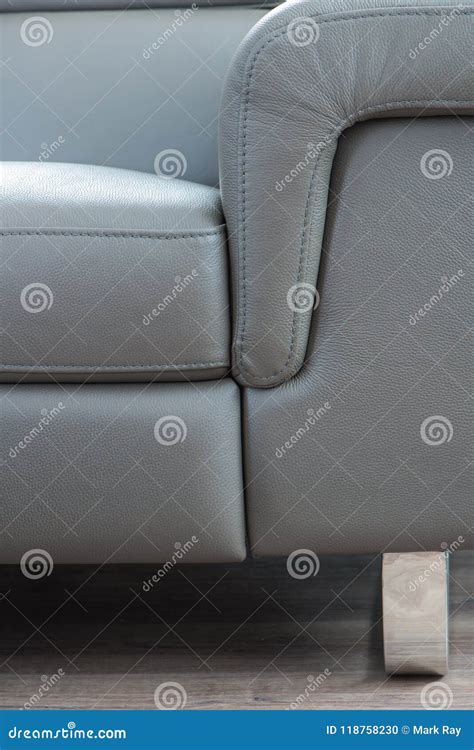
The longevity of any leather furniture piece begins with the hide quality and tanning process. Full-grain leather represents the highest tier of natural material, retaining the complete outer hide with all its original grain characteristics and markings. It breathes exceptionally well and develops a rich, sophisticated patina over time, though it requires gentle care to prevent staining.
Top-grain leather is sanded to remove natural imperfections and treated with a protective finish, making it more resistant to spills and scuffs while maintaining a luxurious texture. This grade often serves as the most practical choice for busy households with children or pets because of its balanced combination of natural comfort and stain resistance.
Evaluating Split and Bonded Alternatives
Lower-tier options like split leather or bonded materials use leftover fibers or lower layers of hide combined with synthetic bindings. While these alternatives frequently carry a much lower price tag, they lack the tensile strength, breathability, and aging characteristics of genuine top-grain or full-grain hides. If budget constraints are tight, carefully weigh the shorter lifespan of bonded materials against the long-term investment value of a genuine leather frame.
Balancing Comfort Factors: Cushioning and Suspension
A common misconception suggests that leather upholstery must feel stiff or unyielding. Modern design, however, pairs supple leather with advanced cushioning technologies, such as high-resiliency foam cores wrapped in down-blend channels or supportive pocket coils. This multi-layered construction prevents sagging while offering an inviting sink-in feel during weekend movie marathons.
Equally important is the underlying suspension system. High-quality frames utilize eight-way hand-tied springs or heavy-gauge sinuous steel coils to distribute weight evenly across the structure. When evaluating potential models, check for sturdy kiln-dried hardwood frames that eliminate creaking and prevent structural warping through seasonal humidity shifts typical of many U.S. regions.
Styling a Leather Sofa in Contemporary U.S. Interiors
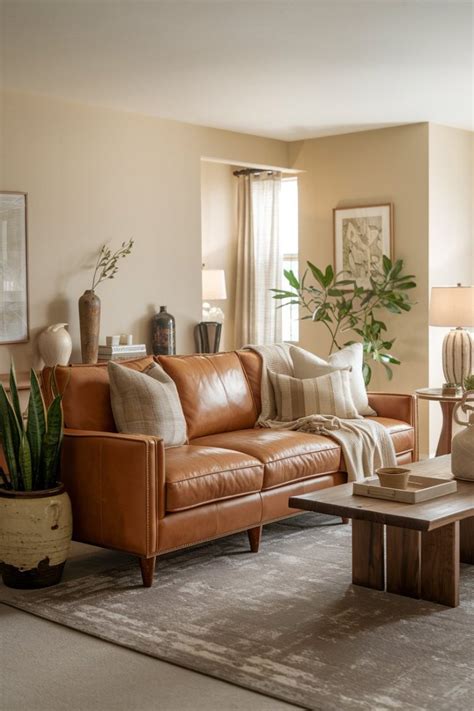
Styling a leather sofa depends heavily on balancing its rich visual weight with surrounding textures. In a neutral, minimalist living room, a caramel or cognac leather sofa introduces warm undertones that prevent the space from feeling sterile. Pair the couch with a chunky wool area rug, matte black metal accents, and linen throw pillows to create an inviting, layered aesthetic.
For homes favoring industrial or mid-century modern designs, a dark espresso or charcoal leather sofa acts as a sophisticated anchor. Balance the deep leather tones by incorporating light oak wood furniture, organic ceramics, and vibrant green indoor plants. This thoughtful interplay of materials keeps the room feeling grounded, dynamic, and visually balanced.
Sizing and Layout Strategies for Apartments and Large Living Rooms
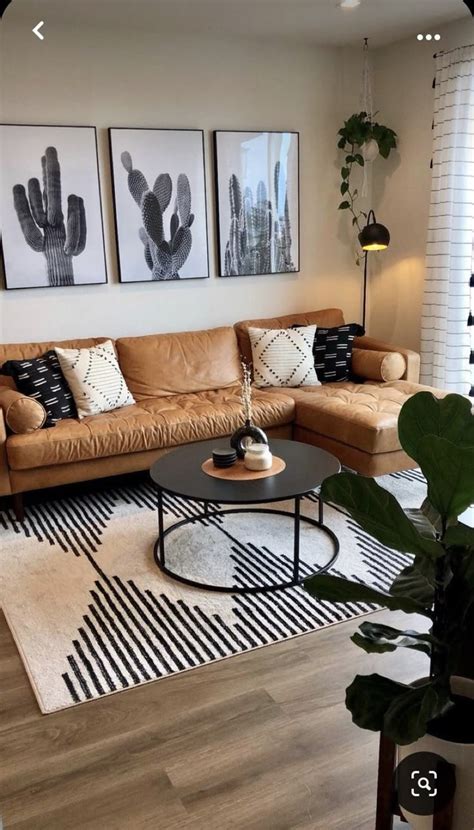
Scale is critical when integrating a leather sofa into your floor plan. In smaller urban apartments or narrow living rooms, a streamlined apartment-style sofa with exposed legs creates an illusion of expanded floor space by allowing light to flow underneath. Avoid oversized rolled arms, opting instead for clean track arms that maximize seating space without overwhelming the room.
In larger open-concept suburban homes, consider a spacious L-shaped sectional or pairing a full-size sofa with matching leather armchairs. Positioning the seating away from direct, harsh sunlight prevents the leather from fading prematurely over time, ensuring your primary gathering space remains vibrant and welcoming for guests.
Frequently Asked Questions
How do I choose between top-grain, full-grain, and bonded leather?
Full-grain leather offers the most natural look and develops a rich patina, while top-grain is sanded for greater stain resistance and durability. Bonded leather uses scrap fibers and has a significantly shorter lifespan, making top-grain or full-grain the preferred choice for long-term investments.
Are modern leather sofas comfortable for everyday lounging?
Yes. Modern leather sofas combine supple hides with advanced multi-layer cushioning like high-resiliency foam and down-blend channels, providing an inviting, supportive sit for daily use.
How do I maintain leather furniture against pets and climate changes?
Keep leather away from direct heat sources and harsh sunlight to prevent drying. Clean spills immediately with a damp cloth, and use a specialized leather conditioner semi-annually to maintain moisture and flexibility.
What size leather sofa works best for smaller spaces?
Look for apartment-sized sofas featuring slim track arms and elevated wooden or metal legs. This design minimizes the visual footprint and keeps the room feeling open and airy.


