Finding the right furniture configuration for a living room often centers around a single focal point: the coffee table. In typical American homes and apartments, layouts range from compact urban studios where every square inch matters to sprawling open-concept suburban great rooms that require substantial furniture anchoring. Selecting stylish coffee table sets involves much more than simply picking a surface you like. It requires an understanding of scale, traffic flow, material durability, and cohesive interior styling.
When you replace a single standalone table with a coordinated set—such as a primary cocktail table paired with matching side tables or a versatile nesting configuration—you instantly introduce flexibility and design depth into your room. This guide explores how to evaluate your spatial dimensions, choose the ideal materials for your lifestyle, and apply designer-approved styling formulas to ensure your living area looks balanced, inviting, and functionally flawless.
Mastering Proportion and Scale in American Living Rooms
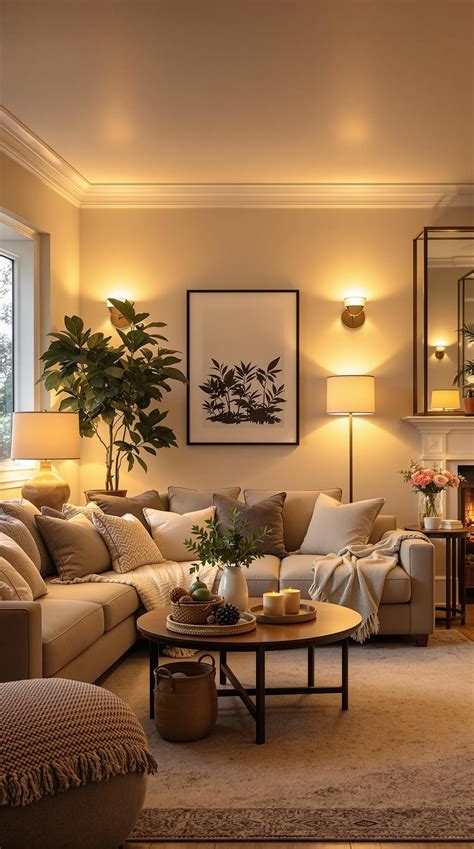
Proportion is the foundation of interior design success. An oversized table makes a cozy apartment feel cramped and restricts movement, while an undersized table looks lost adrift in a large, open-concept suburban layout. To strike the right balance, standard interior design guidelines recommend leaving roughly 14 to 18 inches of clearance between your sofa and the edge of the coffee table. This ensures comfortable legroom while keeping drinks and remotes easily within arm’s reach.
Height is another critical measurement to keep in mind when browsing furniture sets. Ideally, your main coffee table should match the height of your sofa’s seat cushions or sit slightly lower—typically around 16 to 18 inches high. If you are incorporating nesting tables or matching end tables into the arrangement, varied heights create visual interest and allow smaller pieces to tuck neatly underneath when floor space is at a premium.
Layout Strategies for Apartments Versus Suburban Homes
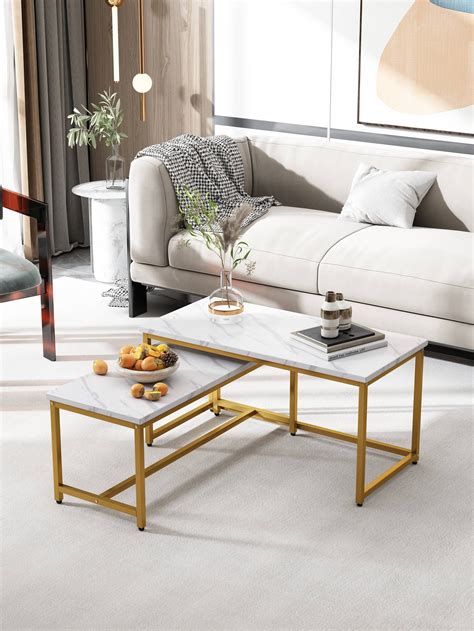
Urban apartment dwellers face unique spatial constraints, often dealing with narrow living rooms or combined living-dining areas. In these environments, round or oval coffee table sets work wonders. Without sharp corners to bump into, rounded silhouettes soften traffic pathways and make tight rooms feel more expansive and fluid. Multi-tiered or nesting sets are also brilliant apartment solutions because they can be expanded when hosting guests and collapsed into a single footprint on ordinary weeknights.
Suburban homes with open-concept floor plans present a completely different set of design challenges. Large living spaces require furniture with a commanding presence to anchor the seating zone and prevent it from feeling untethered. Rectangular or square coffee table sets paired with substantial side tables help define conversational boundaries, especially when floating furniture away from the walls. Matching sets in these larger footprints establish visual harmony across expansive rooms.
Selecting Materials That Match Your Lifestyle and Aesthetic
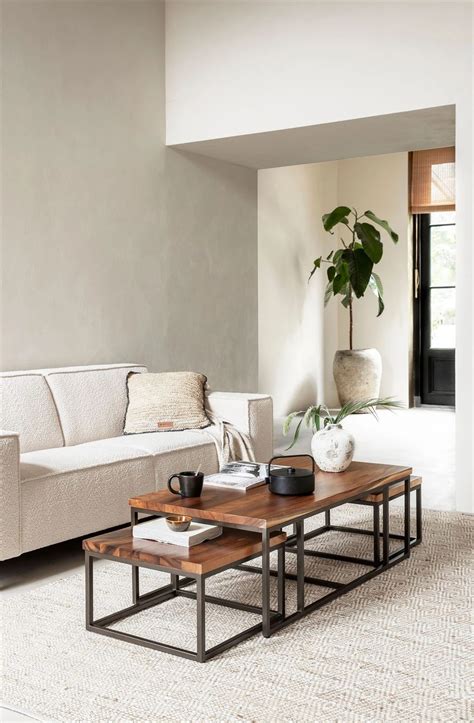
The materials you choose for your coffee table set dictate both the room’s overarching aesthetic and its day-to-day maintenance requirements. Solid wood brings natural warmth, rich grain patterns, and timeless durability to traditional, transitional, and rustic interiors. However, wood surfaces may require coasters to prevent water rings and occasional polishing to maintain their luster in active households with children or pets.
For modern, industrial, or minimalist spaces, combinations of iron, steel, and tempered glass or engineered stone create a striking contemporary look. Glass tabletops are exceptionally effective in smaller apartments because they allow light to pass through, visually expanding the floor space beneath them. Meanwhile, marble or quartz composite surfaces offer a luxurious, high-end appearance while providing heat-resistant utility, though they benefit from prompt spill cleanups to avoid staining.
Proven Styling Formulas for Coordinated Coffee Table Sets

Once you have selected and positioned your coffee table set, styling transforms raw furniture into an intentional design statement. The secret to a polished look lies in balancing heights, textures, and negative space rather than filling every square inch with decor. A classic designer approach relies on the rule of threes, grouping items of varying heights—such as a tall ceramic vase, a stack of art books, and a low decorative bowl—to create a dynamic focal point.
Incorporating a decorative tray is a practical strategy, especially on larger coffee tables in spacious homes. Trays corral smaller items like remotes, coasters, and candles, making it easy to lift the entire collection away when you need full surface area for board games or serving snacks. Adding a touch of living nature, such as a potted succulent or a vase of seasonal stems, infuses organic life and color into the arrangement, pulling the entire living room design together seamlessly.
Frequently Asked Questions
What size coffee table set do I need for a small apartment?
For small apartments, look for coffee table sets with a smaller overall footprint, such as nesting tables or round designs under 36 inches in diameter. Ensure you maintain at least 14 to 18 inches of clearance between the table and your sofa for comfortable movement.
How do I choose between a single coffee table and a nested set?
Choose a single coffee table if you have a dedicated, stable seating arrangement and do not frequently need extra surface space. Opt for a nested set if you live in a compact apartment or love entertaining, as nesting pieces can be pulled apart when guests visit and tucked away to save space afterward.
How do I style a coffee table set so it looks cohesive and not cluttered?
Use a tray to corral smaller accessories, stick to a limited color palette that matches your room’s decor, and vary the heights of your items by combining tall objects like vases with low items like books or decorative bowls.
What shapes work best for narrow or open-concept living spaces?
Round or oval coffee table sets work best in narrow rooms because they eliminate sharp corners and improve traffic flow. In large open-concept spaces, rectangular or square sets help anchor floating furniture layouts and establish clear visual boundaries.


