Navigating the furniture market for American homes often brings up a confusing overlap in terminology, particularly when shopping for long, narrow accent furniture. While furniture retailers frequently use the terms console table and sofa table interchangeably, understanding their nuanced differences can save you from a costly sizing mistake. Whether you live in a compact metropolitan apartment or a suburban single-family home, choosing the right piece impacts both your daily workflow and your interior aesthetic.
A well-chosen accent table anchors an awkward hallway, creates a drop zone for daily essentials, or finishes the back of a floating living room sectional. Evaluating your specific floor plan, your housing tenure, and your storage requirements ensures that your next furniture investment serves your lifestyle rather than cluttering your living space.
Understanding the Core Differences in Structure and Purpose
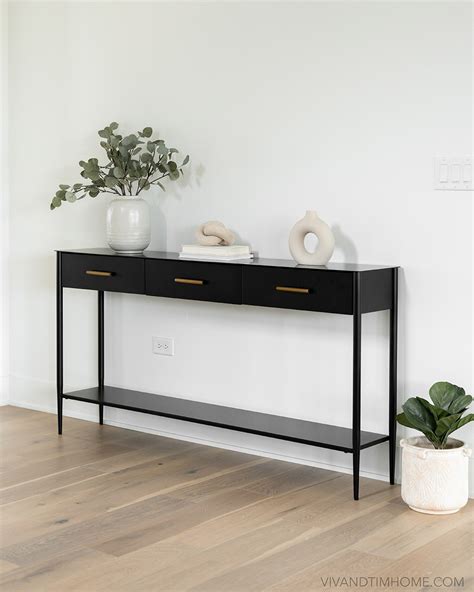
Historically and structurally, a true console table was designed to lean against a wall, often anchored securely for stability because of its slender silhouette. On the other hand, a sofa table is engineered specifically to stand directly behind the back of a living room sofa or sectional, usually matching or sitting slightly below the height of the couch cushions. Recognizing this distinction prevents awkward styling clashes and ensures proper ergonomic flow within your main gathering spaces.
While modern manufacturing has blurred these lines by producing multi-purpose pieces, the physical demands of each location remain distinct. A wall-mounted console table relies heavily on vertical support and wall fastening to stay secure, whereas a sofa table requires a sturdy, freestanding frame that can withstand daily leaning, charging phone cables, and resting beverage cups without wobbling against the upholstery.
Assessing Your Space: Entryways Versus Living Room Layouts

Before purchasing any narrow accent table, accurate measuring is essential for maintaining comfortable traffic flow throughout your home. In standard US apartments and townhomes, entryway corridors can be surprisingly tight, often leaving less than forty inches of clearance. A slim console table with a shallow depth of ten to twelve inches works best here, keeping pathways open while offering a convenient spot for keys and mail.
Conversely, placing a table behind a living room sofa requires measuring both the length of the couch and the height of the back cushions. To maintain a balanced look, the table should generally span roughly two-thirds to three-quarters the length of the sofa and sit flush with or slightly lower than the top of the cushions. This prevents items placed on the surface from awkwardly jutting into the seating area or creating a visual barrier across the room.
Tailored Choices for US Renters and Homeowners
Living in a rental property introduces unique challenges, primarily regarding wall safety and furniture mobility when it comes time to move. Renters should prioritize lightweight, freestanding console or sofa tables that feature robust, self-supporting frames rather than pieces that strictly require heavy-duty masonry or drywall anchors. Modular designs that can easily transition from a hallway drop zone to a bedroom vanity offer incredible long-term value for mobile households.
Homeowners, by contrast, have the freedom to invest in heavier, solid-wood or stone-topped architectural pieces that become permanent fixtures of their interior design. Permanent wall anchoring is much more feasible and often recommended for households with young children or pets, ensuring heavy items like ceramic lamps or framed art remain completely secure during daily use.
Creative Multi-Functional Styling Ideas
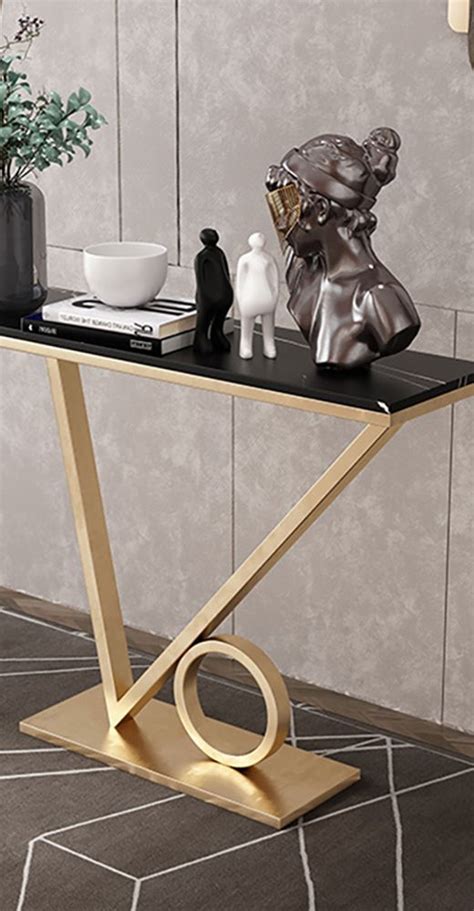
Beyond traditional decor displays, narrow accent tables can solve common space constraints in creative ways. In homes lacking a dedicated home office, a slightly deeper console table can double as a minimalist workspace when paired with a compact stool that tucks neatly underneath. By adding a desktop power strip and a sleek desk lamp, you create a functional work-from-home station that disappears into the room’s decor at the end of the workday.
In open-concept floor plans, a sofa table serves as an ideal boundary marker between the living area and the dining or kitchen space. Layering table lamps, stackable books, and decorative trays brings warmth and texture to the back of the sofa while softening the transition between distinct functional zones in your home.
Frequently Asked Questions
What is the actual difference between a console table and a sofa table?
While often used interchangeably by retailers, console tables are traditionally designed to lean against or mount to a wall, whereas sofa tables are freestanding units specifically built to match the height and length of the back of a living room sofa.
Can a console table be used behind a sofa?
Yes, many console tables work wonderfully behind a sofa as long as the height of the table aligns properly with the couch cushions and the piece is stable enough to stand freestanding without wall support.
What standard heights and depths should US buyers look for?
Standard sofa and console tables typically range from 28 to 32 inches in height to match average seating levels. Depths usually vary from 10 to 15 inches, depending on whether the table is intended for a narrow hallway or a spacious living room arrangement.
Which option is better suited for small apartments and rental spaces?
Lightweight, freestanding console tables with shallow profiles are generally best for small rentals because they do not require permanent wall anchoring and can easily be repurposed in different rooms if you move.


