Planning a camping excursion with children changes the entire dynamic of outdoor travel. Traditional dome tents might suffice for solo backpackers or couples, but families require distinct living zones, standing height, and weather protection that withstands unpredictable conditions. Multi-room tents bridge the gap between rugged outdoor shelter and comfortable living space, providing designated areas for sleeping, storing gear, and weathering afternoon rainstorms without stepping on one another.
When evaluating multi-room shelters for your next getaway, looking past marketing claims is essential. Factors such as pole construction, fabric denier, divider design, and vehicle trunk capacity dictate whether your trip runs smoothly or turns into a stressful logistical puzzle. This guide breaks down the essential criteria every household should consider before investing in a spacious multi-room tent for their next outdoor adventure.
Evaluating Key Features of Multi-Room Tents for Families
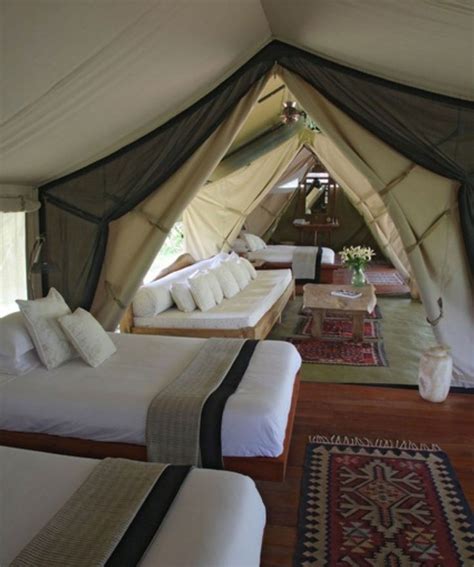
The primary advantage of a multi-room tent lies in its structural compartmentalization. Unlike open-concept cabin tents, models featuring zippered room dividers allow parents to establish a private sleeping quarter while children occupy an adjacent space. This separation is invaluable during early bedtimes or slow mornings when adults want to organize gear without waking the entire household.
Beyond dividers, look closely at door placement and vestibule integration. Having multiple entry points prevents family members from constantly climbing over each other during nighttime bathroom trips. Furthermore, screened porches or vestibules provide a dedicated transitional zone to shed muddy hiking boots, store wet rain gear, and keep dirt out of the clean sleeping chambers.
Size, Capacity, and Ceiling Height Considerations
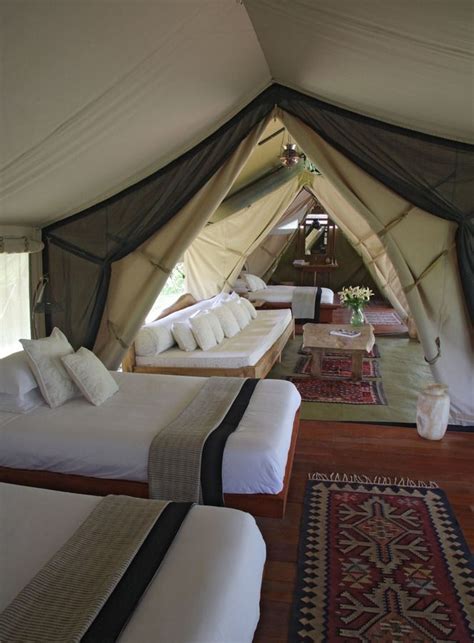
Manufacturer capacity ratings often assume campers are packed tightly side-by-side on standard sleeping pads without luggage. For a truly comfortable experience, experienced campers recommend scaling up. If you are a family of four, a tent rated for six or eight people provides the necessary floor space to accommodate queen-sized air mattresses, portable dressers, and a small play area if weather forces everyone indoors.
Vertical sidewalls and generous peak height are equally critical for household harmony. Standing upright while changing clothes eliminates back strain and makes the interior feel less claustrophobic during extended stays. Look for cabin-style designs with near-vertical walls that maximize usable floor space, ensuring that cots and furniture fit comfortably against the perimeter without wasting square footage in the center.
Ease of Setup and Weather Resistance
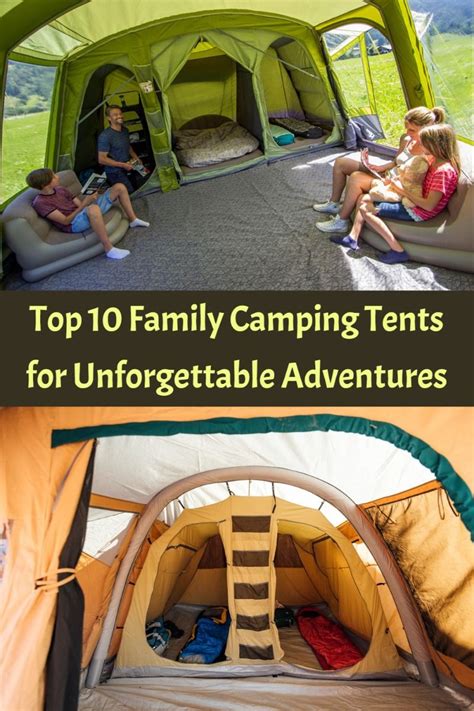
Arriving at a campsite late in the afternoon while managing excited or tired children leaves little patience for a complicated pole structure. Choosing a tent with color-coded poles, continuous pole sleeves, or pre-attached instant hubs dramatically reduces setup friction. Practicing a dry run in your backyard before embarking on your trip helps ensure you understand the assembly sequence without unnecessary stress.
Weather resilience is another non-negotiable factor. Multi-room tents have a larger surface area, making them more susceptible to wind loads. Look for sturdy steel or fiberglass pole combinations, robust guy-out points, and full-coverage rainflies with sealed seams. A high hydrostatic head rating on the floor fabric prevents groundwater from seeping through during overnight downpours, keeping your family warm and dry.
Transportation, Weight, and Packing Size

Spacious multi-room tents naturally generate bulkier packed dimensions and heavier weight profiles compared to minimalist backpacking shelters. Before purchasing, verify how the packed duffel bag fits into your vehicle trunk alongside coolers, camp kitchens, sleeping bags, and luggage. Many family tents come with oversized compression bags, which make rolling and packing the fabric much easier after a damp morning teardown.
Consider how you will transport the shelter from your vehicle to the campsite pitch. If your preferred campgrounds feature walk-in sites rather than direct car parking, investing in a heavy-duty folding utility wagon can save you multiple exhausting trips. Balancing interior comfort with manageable transport logistics ensures your outdoor experience remains enjoyable from departure to return.
Frequently Asked Questions
What size multi-room tent do I need for a family of four?
For a family of four, a tent rated for six to eight people is generally recommended. This allows enough space for double air mattresses or cots, personal luggage, and a small communal area without feeling cramped.
Are multi-room tents difficult to set up by yourself?
While many multi-room tents are designed for two-person setup due to their size and wind-catching profile, models featuring instant-up hubs or color-coded clips can often be assembled solo with a little practice.
How do room dividers attach and function?
Most room dividers consist of fabric panels suspended from the tent ceiling and walls using toggles, clips, or zippers. While they provide excellent visual privacy and separate sleeping zones, they generally do not offer complete soundproofing.
Can multi-room tents withstand heavy rain and wind?
Yes, provided they are properly staked and guyed out. Look for models with full-coverage rainflies, waterproof floor coatings, and robust frame structures designed to handle gusts effectively.


