Selecting the right flooring sets the foundation for your entire interior design scheme. Among neutral choices, gray ceramic tiles have become a staple in American homes because they offer a balanced backdrop that accommodates shifting design trends. Unlike stark white or heavy dark wood, a well-chosen gray floor grounds a room without overpowering architectural details or furniture. However, walking into a tile showroom and facing dozens of gray samples can feel overwhelming. The key to making a confident selection lies in understanding how tile undertones, surface finishes, and room dimensions interact under typical residential lighting.
When planning a flooring update, it helps to evaluate more than just the color label on the box. Factors such as glazed versus unglazed ceramic, slip resistance ratings for wet zones, and daily maintenance requirements all influence how satisfied you will be with your floors years down the line. This practical guide breaks down everything you need to know about navigating the world of gray ceramic tile, helping you match product specifications to the daily realities of busy U.S. households.
Decoding Gray Tile Undertones and Room Lighting
Gray is rarely a pure, neutral mix of black and white. Most gray ceramic tiles carry subtle undertones of blue, green, beige, or violet that become much more prominent once installed across an entire floor. Recognizing these underlying hues prevents costly design mismatches with your existing walls, trim, and soft furnishings. For instance, a tile with strong blue undertones can make a sun-drenched southern-facing room feel crisp and refreshing, but the same tile might look uncomfortably chilly in a northern-facing room that receives cool, indirect daylight.
Warm gray tiles, often referred to as “greige,” blend gray with subtle beige or taupe elements. These versatile shades bridge the gap between traditional warm wood tones and modern cool aesthetics, making them exceptionally popular in transitional American home layouts. If your living space features warm oak cabinetry, brass hardware, or earthy textiles, a greige ceramic tile will harmonize naturally. Conversely, cool grays with silver or blue leanings pair exceptionally well with crisp white trim, stainless steel appliances, and minimalist contemporary decor.
Choosing Between Matte and Glossy Finishes
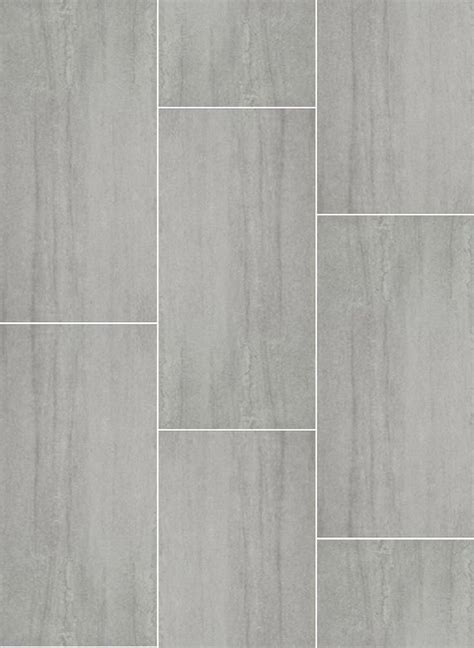
The surface finish of your ceramic tile impacts both the aesthetic vibe and the functional safety of your floor. Matte ceramic tiles feature a non-reflective, velvety surface that absorbs light rather than bouncing it around the room. This makes matte finishes an outstanding choice for large, brightly lit open-concept areas where excessive glare could otherwise cause eye strain. Additionally, matte tiles generally provide better traction underfoot, making them a practical consideration for households with active children, pets, or elderly family members.
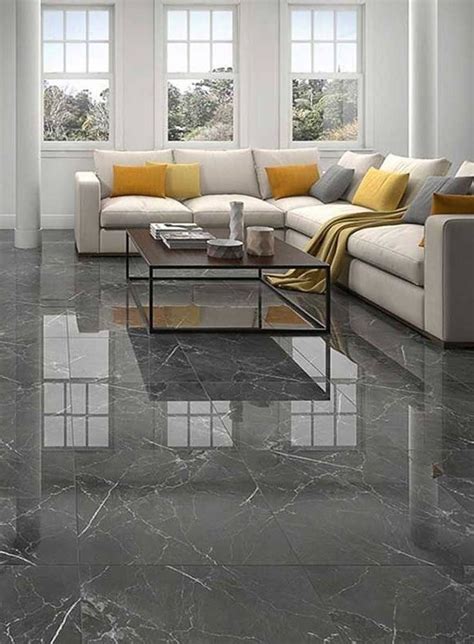
On the other hand, glossy or polished ceramic tiles introduce a sense of luxury and expansion by reflecting natural and artificial light. In smaller U.S. rooms, such as powder rooms, galley kitchens, or narrow entry foyers, a polished light gray tile can visually bounce light into dark corners and make the footprint feel larger. The trade-off involves maintenance and slip resistance; high-gloss finishes show footprints, water spots, and dust more readily, and they can become dangerously slick when wet unless certified with a high dynamic coefficient of friction (DCOF) rating.
Room-by-Room Selection Strategies
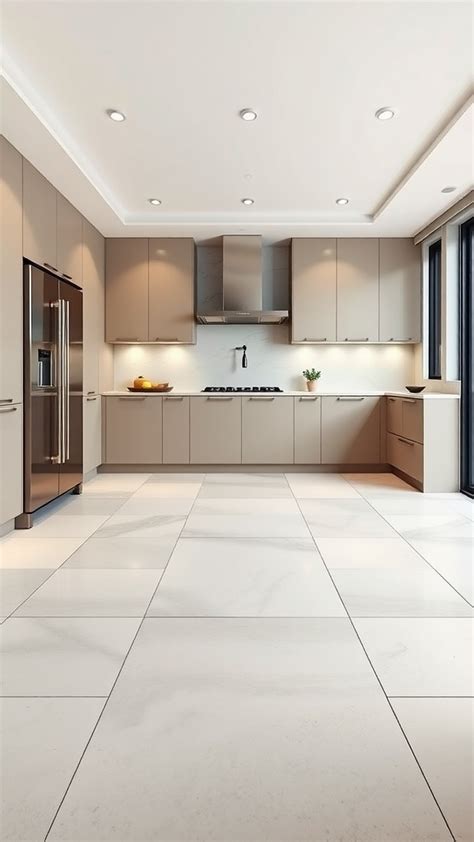
Different areas of an American home demand different performance levels from flooring materials. Kitchens experience heavy foot traffic, dropped utensils, and frequent liquid spills, requiring a durable ceramic tile with a dependable glaze rating. Medium-to-dark gray tiles with subtle patterning or stone-look variations work wonders in kitchens because they naturally camouflage everyday dust, crumbs, and minor culinary splashes between thorough cleaning sessions.
In bathrooms and laundry rooms, moisture resistance and slip prevention take top priority. Selecting a smaller format gray ceramic tile for these spaces increases the number of grout lines, which inherently adds slip resistance underfoot. Furthermore, light gray tiles in bathrooms help create a clean, spa-like atmosphere. When paired with white subway wall tiles and natural wood vanities, light gray floors establish a timeless aesthetic that appeals to both current homeowners and future buyers.
Durability, Maintenance, and Long-Term Care
Ceramic tile is celebrated for its longevity, but understanding its limitations ensures realistic expectations. While porcelain is technically a denser, less porous subset of ceramic, standard high-quality ceramic tiles still offer robust resistance to everyday wear, scratches, and fading from UV exposure. For residential floor applications, look for tiles with a Porcelain Enamel Institute (PEI) rating of 3 or 4, which indicates they can handle heavy residential foot traffic without wearing down the glaze.
Maintaining gray ceramic floors requires a straightforward routine rather than harsh chemical scrubbing. Regular sweeping or vacuuming with a soft bristle attachment prevents fine grit from acting like sandpaper on the tile glaze. For routine mopping, warm water mixed with a few drops of neutral pH cleaner keeps the surface streak-free. Avoid using oil-based soaps or wax sealants, as these leave a residue that attracts dirt and dulls the natural beauty of your gray flooring over time.
Frequently Asked Questions
What shade of gray tile works best for small versus large spaces?
Light gray tiles reflect more ambient light and create an optical illusion of expansion, making them ideal for small powder rooms, laundry spaces, or compact apartments. In large, sunlit open-concept living areas, medium-to-dark gray tiles help anchor the room, absorb excess glare, and create a cozy, intimate atmosphere without feeling cavernous.
How do tile undertones affect room lighting?
Tile undertones interact directly with the natural daylight entering your home. Cool gray tiles with blue or green bases can make north-facing rooms look stark or cold, whereas warm greige tiles counteract this effect by introducing subtle earth tones that complement warmer interior lighting and wood finishes.
Are ceramic tiles durable enough for American kitchen and living room floors?
Yes, standard ceramic tiles rated PEI 3 or PEI 4 withstand heavy residential traffic in kitchens and living rooms. However, because kitchens experience dropped items and heavy foot traffic, ensuring a proper substrate installation and checking the tile’s breaking strength is essential for long-term performance.
How do I maintain and clean gray ceramic flooring?
Routine maintenance involves sweeping or vacuuming to remove abrasive dirt grit, followed by damp-mopping with warm water and a neutral pH cleaner. Avoid harsh bleach solutions and wax-based cleaners, which can degrade the grout or leave a dull film over the tile surface.