Planning a camping excursion with loved ones requires more than just picking a scenic campground across the United States. Whether you are setting up camp in a rugged national park or enjoying a weekend at a state-managed coastal site, the shelter you choose defines your entire outdoor experience. For American households, investing in a spacious family tent involves balancing interior livability with practical logistical concerns like transport trunk space and off-season storage at home.
Unlike solo backpacking shelters, family camping setups must accommodate multiple sleeping pads, duffel bags, changing routines, and unexpected rainy afternoons indoors. Navigating the myriad of options available on the U.S. market can feel overwhelming, especially when manufacturers advertise sleeping capacities that rarely match real-world comfort. Evaluating these shelters through a practical lens ensures you choose a model that meets your family’s actual spatial and lifestyle needs.
Understanding Tent Sizing: The Reality of U.S. Sleeping Capacities
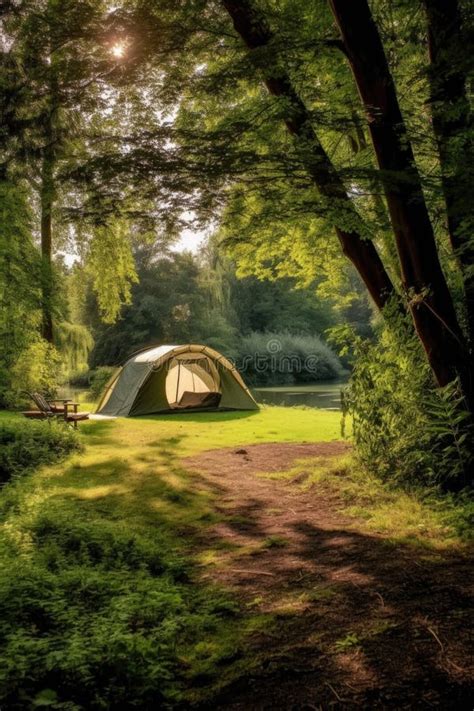
When shopping for spacious family tents, the golden rule is to subtract two people from the manufacturer’s stated capacity if you want genuine comfort. A tent labeled as a six-person model generally fits six sleeping pads laid edge-to-edge with virtually zero floor space remaining for gear, backpacks, or movement. Families using bulky air mattresses or large camp cots will find that scaling up in size is essential to avoid feeling cramped.
For a family of four consisting of two adults and two children, an eight-person tent provides the breathing room needed for multi-day trips. This extra square footage allows you to keep clothing bins, cooler bags, and shoes inside the shelter without tripping over gear every time someone wakes up at night. Choosing a larger footprint also accommodates children as they grow, turning your purchase into a long-term investment for future seasons.
Cabin Tents Versus Dome Tents: Evaluating Interior Space and Stability
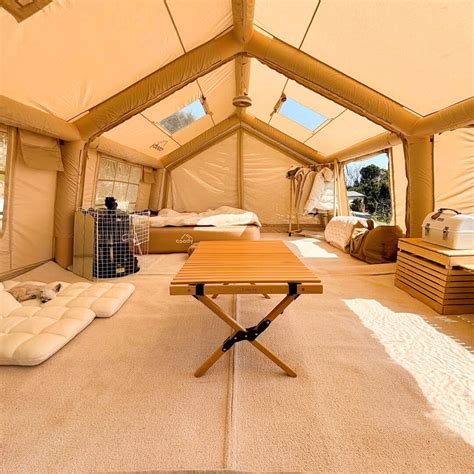
Architectural design plays a massive role in how livable your shelter feels once erected. Cabin-style tents feature near-vertical walls and high peak heights, often allowing adults to stand up fully and walk around without hunching over. This verticality dramatically increases the perceived interior space, making cabin models feel more like temporary rooms than traditional camping tents.
Dome tents, on the other hand, rely on crossing flexible poles that create a curved profile sloping downward toward the edges. While dome tents offer superior aerodynamic performance and shed heavy mountain winds more effectively than boxy cabin structures, they sacrifice precious headroom near the perimeter. Families prioritizing comfort and standing room during extended rainy stays typically prefer cabin configurations, while those venturing into windy coastal or high-elevation U.S. environments lean toward sturdy dome geometry.
Storage and Transport Realities for Homeowners and Renters
The logistics of owning a large family tent extend far beyond the campsite. U.S. homeowners with dedicated garages, basements, or expansive storage sheds can easily accommodate bulky canvas bags, rigid steel poles, and heavy-duty stakes. They can afford to leave the tent packed loosely in breathable storage sacks, which helps prevent mildew and preserves waterproof coatings between adventures.
Conversely, apartment renters face distinct storage constraints that require a more strategic approach to gear management. If your square footage is limited to a hallway closet or under-bed storage, look for models that break down into compressed, modular duffels or smaller packs. Renters should also consider how easily the packed tent fits into a compact vehicle trunk or rides-share vehicle, as many urban dwellers do not own large SUVs capable of hauling oversized gear.
Weather Resistance Standards for Diverse American Climates
Camping across North America exposes shelters to vastly different weather patterns, from sudden afternoon thunderstorms in the Blue Ridge Mountains to dry, windy conditions in Western state parks. A reliable family tent must feature a robust rainfly that extends well down the sides, taped seams, and a durable polyethylene or oxford polyester bathtub floor that prevents ground moisture from seeping upward.
Evaluating the frame material is equally critical for storm readiness. Fiberglass poles are common in budget-friendly models and work well in mild weather, but they can snap under heavy wind gusts. Aluminum poles offer superior strength-to-weight ratios and flex rather than break during severe weather events. Securing your shelter with sturdy guy lines and high-grade stakes ensures stability during sudden summer squalls.
Frequently Asked Questions
What size family tent do I actually need for four people?
For genuine comfort, a family of four should look at six to eight-person tents. This provides enough floor space for cots or air mattresses, plus essential gear storage, without feeling cramped during inclement weather.
Are cabin tents too difficult to set up compared to dome tents?
While cabin tents have more vertical walls and poles, modern designs often use color-coded systems and hub mechanisms that allow two adults to pitch them in under twenty minutes. Practice setting up the tent in your backyard before your trip to streamline the process.
How should I store a large family tent in a small apartment?
Ensure the tent is completely bone-dry before packing to prevent mold. Store it loosely in a large cotton storage sack or breathable container rather than keeping it tightly compressed in its original stuff sack for months on end.
What is the most important weatherproofing feature for U.S. camping?
A full-coverage rainfly with factory-taped seams and a high waterproof rating (measured in millimeters) is essential. It keeps driving rain out while maintaining adequate ventilation to prevent interior condensation.


