Planning a camping excursion with a large family or a group of friends requires a distinct shift in how you think about outdoor shelter. Traditional backpacking dome structures simply cannot accommodate cots, duffel bags, and the need for personal privacy after a long day on the trails. Multi-bedroom and multi-room tents solve this challenge by offering partitioned living spaces that resemble a small cabin rather than a cramped sleeping bag cocoon. When searching for the right shelter, understanding capacity ratings, peak heights, and weatherproofing capabilities will ensure your group stays comfortable under unpredictable skies.
The primary advantage of investing in a spacious multi-bedroom design lies in the psychological and physical comfort it provides during extended stays at established campgrounds. Instead of waking up every time a family member moves or needing to change clothes in a horizontal position, campers can stand upright, store gear in dedicated vestibules, and retreat behind zippered fabric dividers. However, these larger footprints also introduce distinct trade-offs, including heavier packed weights, more complex pole assemblies, and increased wind resistance that requires diligent staking and guylining.
Evaluating Key Features in Multi-Bedroom Family Tents
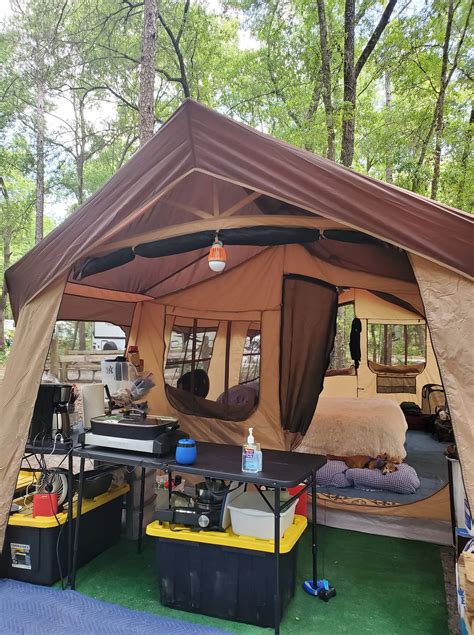
When shopping for a family camping shelter, looking beyond the manufacturer’s stated sleeping capacity is essential. A tent rated for eight people will comfortably hold eight sleeping pads laid side-by-side, but it leaves virtually no room for luggage, camp furniture, or moving around without stepping on your tentmates. Real-world comfort usually requires sizing up by at least two people if you plan to use air mattresses, cots, or pack bulky cold-weather gear.
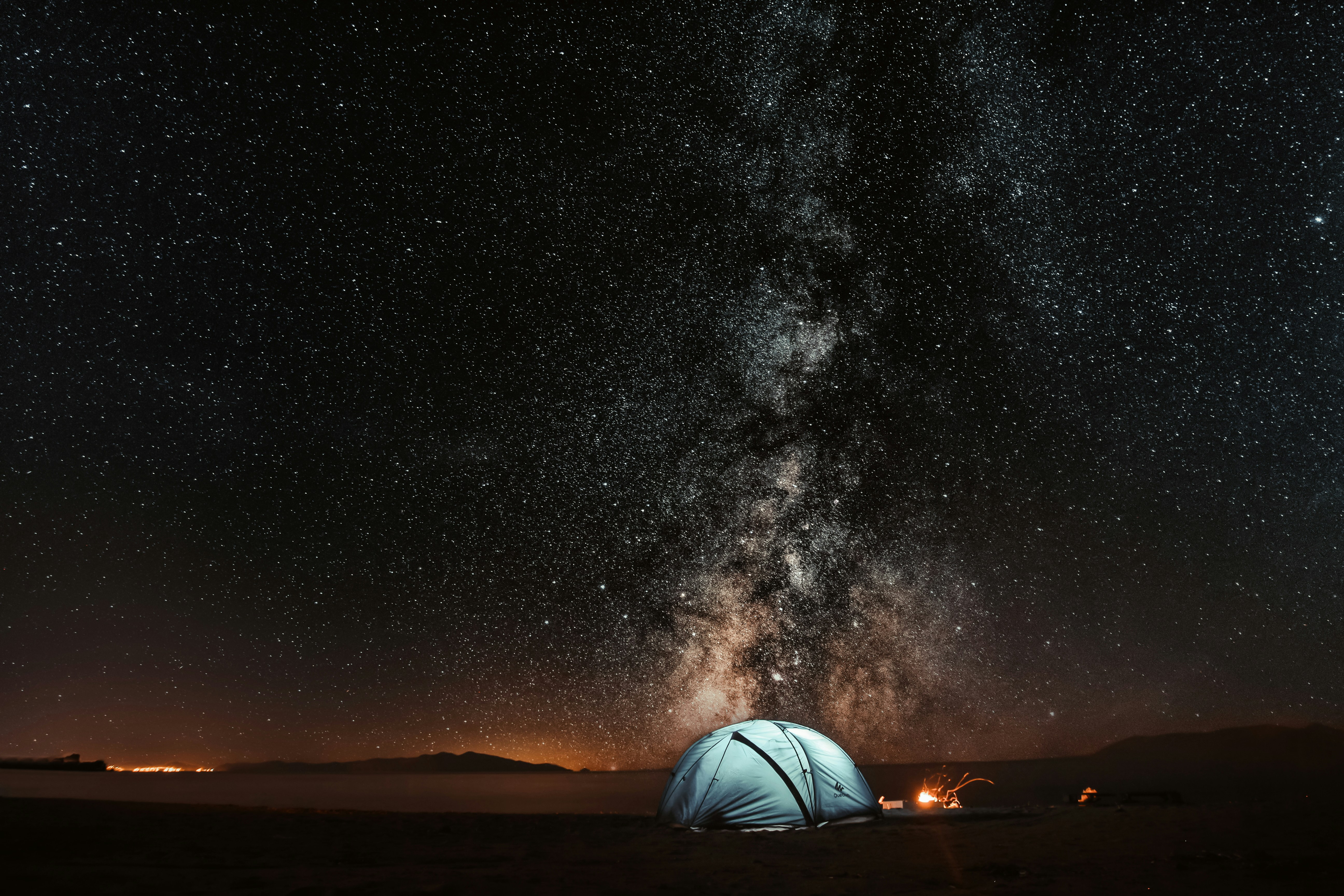
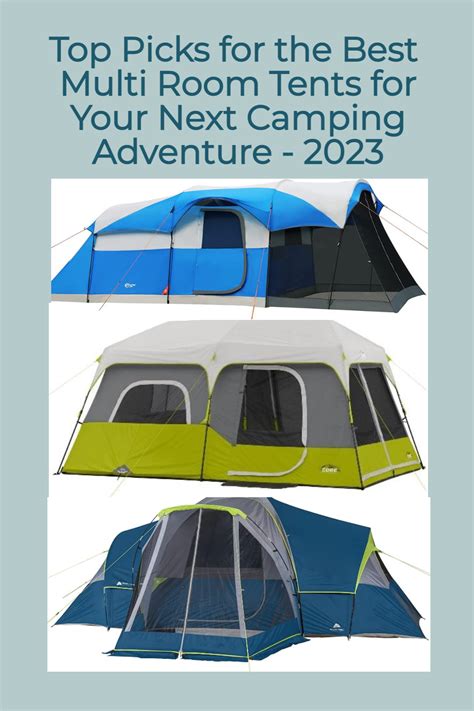
Another critical consideration is peak height and wall geometry. Cabin-style tents featuring nearly vertical walls maximize usable floor space and let adults stand up completely straight to change clothes or organize equipment. While traditional dome designs handle heavy winds more gracefully due to their aerodynamic curves, they often sacrifice headroom near the outer edges. Balancing wind stability with interior vertical clearance depends heavily on the prevailing weather conditions you typically encounter in your favorite camping regions.
Understanding Privacy Dividers Versus Separate Rooms
Many multi-room shelters utilize hanging fabric curtains suspended from the ceiling to create distinct zones. These privacy dividers are lightweight and flexible, allowing you to roll them back to create one massive open-concept room during the day and drop them down at night. While they provide excellent visual separation and modesty, they rarely block sound entirely or offer the structural isolation of independent inner tents with separate zippered doors.
True multi-room cabins incorporate physical walls or distinct entry doors for each compartment. This layout is particularly popular for families traveling with teenagers or multiple generations, as it provides a genuine sense of personal space and privacy. The trade-off is often a more complicated setup process involving color-coded hub systems and numerous fiberglass or steel poles that must be threaded correctly before the shelter takes its final shape.
Practical Tips for Setting Up and Organizing Large Tents
Assembling a massive multi-bedroom shelter can quickly test your patience if approached without a clear strategy. Always practice setting up your tent in the backyard before embarking on a remote trip to verify that all stakes, guy lines, and poles are present and accounted for. This dry run familiarizes you with the sleeve routing or clip attachments, making the actual campground assembly significantly faster and less stressful when daylight is fading.
Once erected, interior organization prevents a multi-room tent from descending into clutter. Assign specific zones or rooms for sleeping, footwear storage, and daily gear access. Utilize hanging mesh organizers, collapsible storage bins, and portable hooks to keep items off the floor. Maintaining clear pathways between the zippered room dividers ensures safe navigation inside the tent during late-night trips to the restroom without disturbing sleeping family members.
Frequently Asked Questions
What size multi-bedroom tent do I need for a family of four?
For a family of four, a tent rated for six to eight people provides the ideal balance of space. This extra capacity accommodates queen-sized air mattresses or cots, personal luggage, and play space for children without feeling cramped.
Are multi-room tents difficult to set up?
Large multi-room shelters require more time and coordination than small backpacking tents, often taking 20 to 30 minutes to assemble. Using color-coded poles and reviewing the instructions beforehand helps streamline the setup process.
How do multi-bedroom tents handle heavy rain and wind?
Most modern family tents feature full-coverage rainflies and waterproof floor coatings. However, due to their large wall surface area, properly staking out guy lines is crucial to prevent structural flexing during high winds.
Do fabric room dividers block sound between rooms?
Standard hanging fabric dividers offer visual privacy and separation but provide minimal acoustic insulation. If complete sound privacy is required, separate tent configurations or earplugs are recommended.


