Selecting a new sofa is one of the most significant investment decisions you can make for your home. Beyond serving as the visual anchor of your living room, it is the primary spot for relaxing after a long workday, hosting weekend gatherings, and sometimes even accommodating overnight guests. When shopping within the American market, buyers must navigate a distinct landscape of generous open-concept suburban layouts on one side and compact urban apartment floor plans on the other. Achieving the right balance between striking aesthetic appeal and lasting ergonomic support requires careful planning.
To find a piece that truly works for your lifestyle, you need to evaluate more than just the floor color or fabric swatch. Proportions, cushion fillings, and daily durability all play critical roles in how satisfied you will be with your furniture choice months and years down the line. By understanding how different elements interact within your specific room dimensions, you can sidestep common buying mistakes and invest in a centerpiece that elevates both your daily comfort and your home interior.
Evaluating Spatial Proportions for US Homes and Apartments

American living spaces vary dramatically, ranging from sprawling suburban great rooms to streamlined city apartments where every square inch matters. Before browsing styles, measure your room dimensions carefully and map out the layout using painter’s tape on the floor. In a larger suburban home, an oversized sectional or a deep three-seater sofa paired with accent armchairs helps fill the volumetric space without making the room feel empty. Conversely, apartment dwellers often benefit from apartment-size sofas with exposed legs, which create a greater sense of visual floor space.
Another vital consideration often overlooked during online shopping is delivery logistics. Standard US apartment buildings, historic brownstones, and suburban homes feature varying hallway widths, tight stairwells, and restrictive elevator dimensions. Always review the sofa’s frame depth and diagonal height to ensure the delivery team can successfully maneuver the piece into your room. Modular designs or sofas with removable legs offer practical flexibility when navigating difficult entryways or tight corner turns.
Balancing Cushion Materials for Ergonomics and Longevity
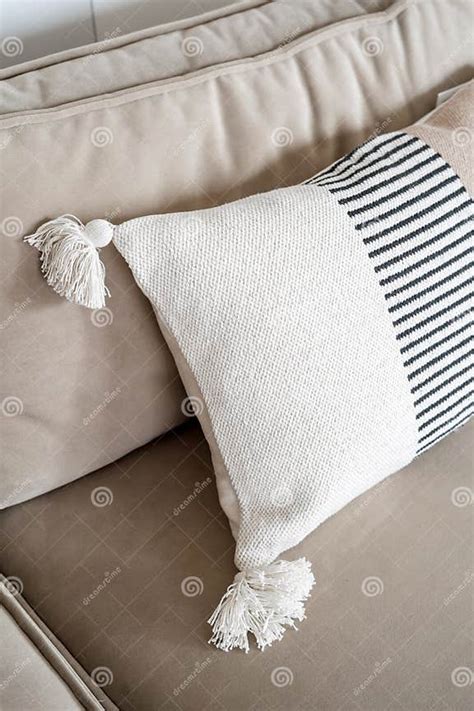
Comfort is deeply subjective, but the internal construction of a sofa determines how well it maintains that comfort over years of daily use. High-resilience polyurethane foam wrapped in fiber or down provides a supportive, structured sit that bounces back reliably. If you prefer a sink-in, plush lounge experience, down-blend cushions offer an inviting softness, though they require routine fluffing to maintain their tailored appearance.
Frame construction is equally important to longevity. Kiln-dried hardwood frames joined with corner blocks provide exceptional structural stability, preventing the squeaking and sagging common in cheaper particleboard alternatives. When evaluating suspension systems, look for eight-way hand-tied springs or sinuous steel wire grids. These components distribute weight evenly across the seating area, ensuring that your sofa remains a comfortable gathering spot for years to come.
Choosing Upholstery Fabrics for Real-Life Durability
Your lifestyle should dictate your choice of upholstery just as much as your preferred design aesthetic. Households with young children or pets benefit immensely from performance fabrics, which are engineered to resist stains, moisture, and snagging. Crypton, treated microfibers, and tightly woven synthetic blends offer high durability ratings and clean easily with mild soap and water, removing the daily stress of accidental spills.
If you prefer natural textiles like linen or cotton velvet, be prepared for more delicate maintenance routines. Pure linen introduces a relaxed, organic texture that softens beautifully over time, but it wrinkles easily and usually requires professional cleaning. Leather offers another durable, classic option that develops a rich patina with age, though it requires occasional conditioning to prevent drying and cracking in homes with dry heating systems.
Frequently Asked Questions
What sofa size works best in a small apartment versus a spacious suburban home?
For small apartments, an apartment-sized sofa measuring around 60 to 72 inches in width with exposed legs works best because it maintains an open line of sight. In spacious suburban homes, larger sectionals or deep three-seater sofas with matching armchairs help anchor open-concept layouts without looking lost in the room.
Which sofa fillings offer the best longevity and comfort?
High-resilience foam wrapped in down or synthetic fiber provides the ideal balance of structured support and plush comfort. For maximum longevity, ensure the core foam has a high density rating, and look for kiln-dried hardwood frames with robust spring suspension systems.
How do I choose a fabric that withstands everyday wear and tear?
Look for performance fabrics labeled with high double-rub counts, which measure abrasion resistance. Synthetic blends, microfiber, and specially treated performance linens or velvets resist stains and moisture effectively, making them ideal for busy households with pets or children.
How can I accurately measure my space to ensure the sofa fits?
Measure the intended floor area using painter’s tape to visualize the sofa’s footprint, keeping clearance in mind for walkways and coffee tables. Additionally, measure your entryway doors, hallways, stairwells, and elevator car dimensions to confirm the boxed or framed sofa can physically enter your home.


