Selecting the right floor tiles is one of the most transformative decisions you can make during a home renovation. A well-chosen floor sets the foundational tone for your entire interior, bridging aesthetic desires with the rigorous demands of daily household activity. Whether you are updating an open-plan kitchen in a suburban colonial or modernizing an urban loft, understanding the nuances of tile materials, surface finishes, and spatial layouts will ensure your investment stands the test of time.
When approaching this project, homeowners often face a dizzying array of options ranging from sleek porcelain slabs to rustic natural stones. The secret to a successful choice lies in evaluating how each room functions day-to-day. By balancing visual appeal with technical performance ratings, you can create spaces that feel both luxurious and effortlessly livable.
Assessing Lifestyle and Durability Needs for Every Room
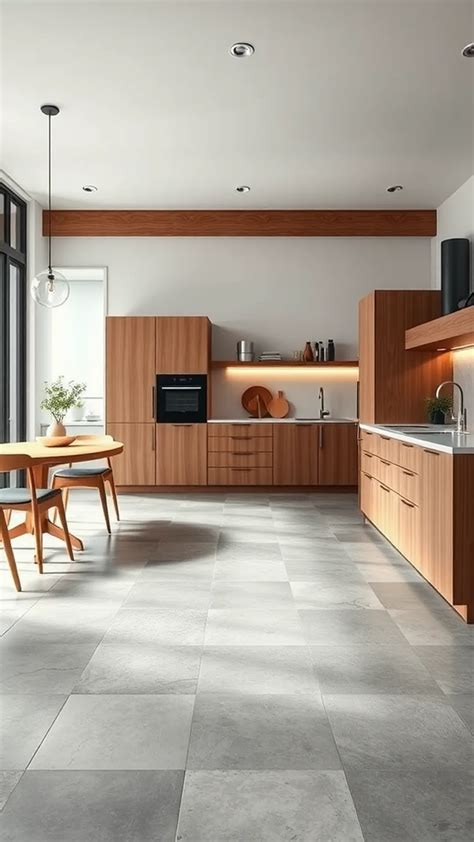
Every room in a modern home places unique demands on its flooring surface. High-traffic zones like entryways, hallways, and open-plan kitchens require materials that resist scratching, moisture, and heavy foot traffic. Conversely, low-traffic areas like guest bathrooms or upper-level bedrooms allow for more delicate decorative choices where luxury and texture take precedence over extreme industrial durability.
When shopping for durable floor tiles, pay close attention to the PEI (Porcelain Enamel Institute) rating, which measures a tile’s glaze abrasion resistance on a scale from 0 to 5. For busy American households with children and pets, selecting a PEI rating of 4 or 5 ensures your floors will maintain their finish against sliding furniture, dropped cookware, and constant walking without showing premature wear patterns.
Comparing Tile Materials: Ceramic, Porcelain, and Natural Stone
Understanding the core differences between tile materials is essential for making an informed purchasing decision. Ceramic tiles are crafted from red or white clay and fired in a kiln, offering wonderful versatility and budget-friendly installation for walls and low-impact floors. However, they are more porous and softer than their porcelain counterparts, making them better suited for laundry rooms or powder rooms rather than main corridors.
Porcelain tiles represent the gold standard for high-performance residential flooring. Made from denser clay and fired at higher temperatures, porcelain absorbs virtually no water and boasts exceptional breaking strength. For U.S. homes experiencing fluctuating seasonal humidity and temperature changes, porcelain offers remarkable stability. Natural stone, including marble, travertine, and slate, introduces organic beauty and unique veining, though these materials demand regular sealing and careful maintenance to prevent staining from household spills.
Translating Global Aesthetic Trends to U.S. Interiors
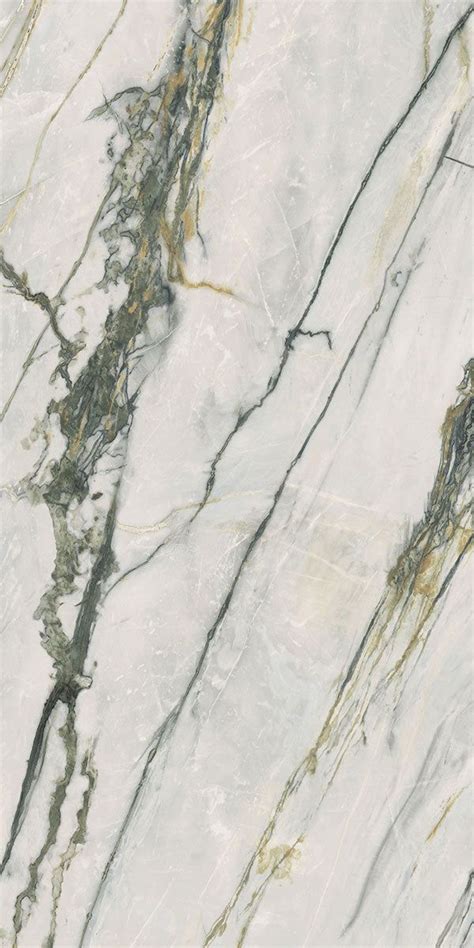
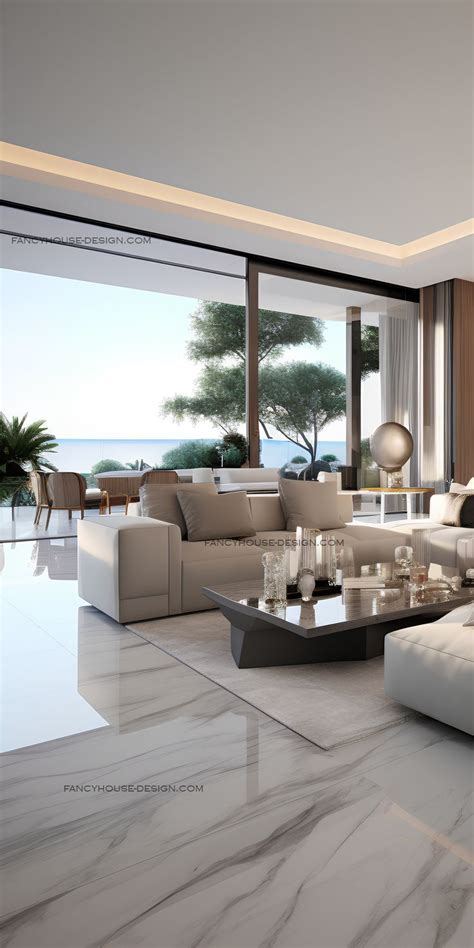
Design influences from across the globe often inspire unique domestic renovations. Bringing sophisticated British or European design sensibilities into an American home involves thoughtful adaptation to local architectural scales. Large, open-plan American living spaces benefit immensely from large-format floor tiles, which minimize grout lines and create an expansive, seamless visual flow across the room.
Matte and textured finishes are currently dominating interior design trends, offering a tactile, organic feel underfoot while significantly reducing glare from large windows common in contemporary U.S. architecture. Pairing these finishes with warm neutral color palettes—such as soft greiges, limewash tones, and subtle terracotta hues—helps ground cavernous rooms and infuses them with an inviting, intimate atmosphere.
Practical Considerations: Sizing, Layout, and Installation
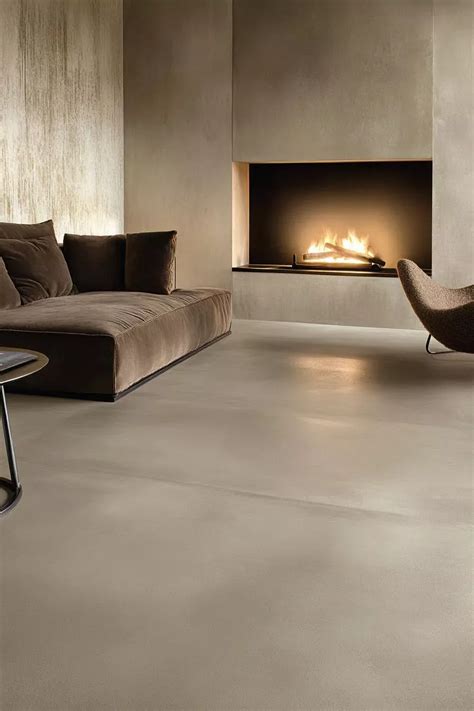
The physical dimensions of your chosen tiles drastically alter the perceived proportions of a room. Rectangular plank tiles laid in a herringbone pattern can elongate a narrow hallway or entryway, while oversized square tiles make modest kitchens feel remarkably grand and unobstructed. Always calculate an extra ten to fifteen percent in material volume to account for cuts, patterns matching, and potential breakage during installation.
Subfloor preparation is another critical factor that cannot be overlooked. American subfloors—whether plywood, OSB, or concrete slab—must be completely level, rigid, and clean before any adhesive is applied. Investing in high-quality decoupling membranes or cement backer boards prevents future shifting and cracking, ensuring your beautiful new tile installation remains flawless for decades to come.
Frequently Asked Questions
What factors should I consider when choosing floor tiles for high-traffic areas?
For high-traffic areas like kitchens and entryways, prioritize a high PEI wear rating (Class 4 or 5), low water absorption rates, and slip-resistant textured finishes. Porcelain tiles are generally the best choice for these spaces due to their exceptional density and resistance to impact.
How do porcelain and ceramic tiles differ in durability?
Porcelain tiles are fired at higher temperatures and made from denser clay, making them harder, less porous, and much more durable than ceramic tiles. While ceramic is suitable for walls and low-traffic floors, porcelain withstands heavy foot traffic, moisture, and frost with ease.
Do natural stone floor tiles require special maintenance?
Yes, natural stone tiles such as marble, granite, and travertine are porous and vulnerable to acidic substances. They require regular sealing upon installation and periodic re-sealing thereafter, along with pH-neutral cleaners to prevent surface etching and staining.
How do I choose the right tile size for my room?
Larger format tiles feature fewer grout lines, creating an expansive, modern look ideal for open-plan U.S. homes. Smaller tiles or intricate mosaics work well in compact spaces like bathrooms or utility rooms, where they offer better traction and fit around complex layouts.