Finding the right seating anchor for your living room involves balancing aesthetic appeal with the very real physical constraints of American housing. Whether you are settling into a spacious suburban colonial or reconfiguring a narrow brownstone apartment rental, a leather sofa or loveseat brings a timeless, tactile warmth to the room. However, purchasing leather furniture requires a closer look at material grades, structural construction, and spatial logistics than standard fabric upholstery. Because leather reacts to room climates, handles daily wear differently over time, and presents unique delivery challenges in multi-story buildings, understanding your specific needs before buying prevents costly mistakes.
This practical guide breaks down everything you need to know to make an informed choice for your U.S. home or rental. From deciphering leather classifications to navigating tight stairwells and matching your lifestyle demands, we examine the key criteria that separate a short-lived purchase from an heirloom-quality investment.
Understanding Leather Grades and Durability
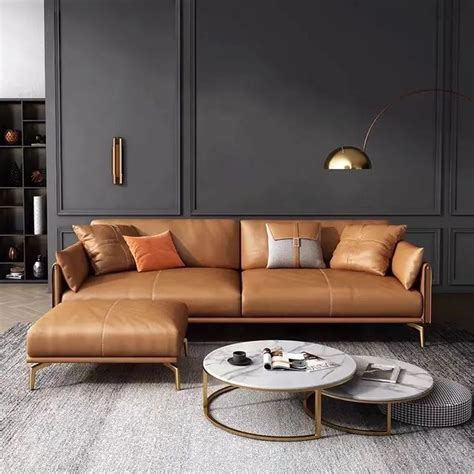
When shopping for a leather sofa or loveseat, the terminology can quickly become confusing. The hide quality dictates how your furniture will age, feel against your skin, and withstand everyday life. Full-grain leather represents the highest tier of quality, utilizing the entire outer hide with all its natural markings and imperfections intact. It develops a rich, sophisticated patina over time, darkening and softening gracefully as it absorbs body oils and sunlight. Because the grain remains untouched, it is exceptionally breathable and durable, making it an excellent choice for permanent homeowners looking for a lifetime piece.
Top-grain leather is the most common choice for high-end and mid-tier furniture in the United States. Manufacturers lightly sand the surface to remove natural blemishes and then stamp an artificial grain pattern onto the hide, followed by a protective protective finish. This treatment makes top-grain leather more resistant to stains, spills, and minor scuffs compared to full-grain options, offering a practical balance for active households with children. Lower grades, such as split leather and bonded leather, feature processed leather fibers or scraps glued onto a backing fabric. While these budget-friendly options look attractive initially, they lack the tensile strength and longevity of grain leathers, often peeling or cracking within a few years of regular use.
Sofa vs. Loveseat: Sizing for U.S. Living Rooms and Apartments
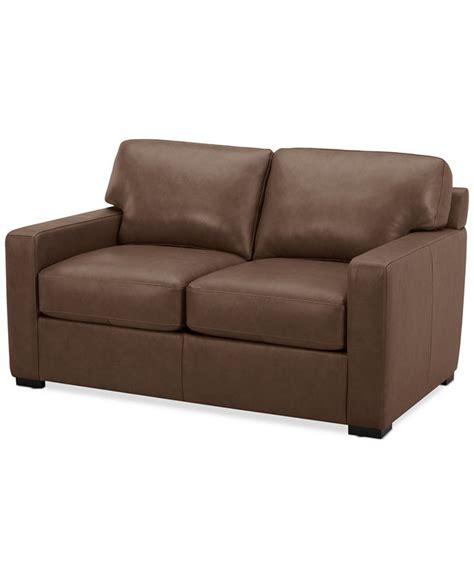
Proportion is critical when placing a leather sofa or loveseat in a room, particularly given the wide range of floor plans found across American residences. Standard full-sized sofas typically measure between 72 and 90 inches in length, making them ideal for standard suburban living rooms, open-concept great rooms, and spacious townhomes. A full sofa provides ample seating for multiple guests and enough horizontal length for an afternoon nap, but it can easily overwhelm a compact urban apartment or a narrow city studio.
For smaller footprints, tight corners, or combined living-and-dining spaces, a loveseat—usually measuring between 52 and 68 inches wide—serves as a functional and stylish alternative. Loveseats free up valuable floor space for accent chairs, bookshelves, or side tables without sacrificing the luxurious feel of genuine leather. Renters who anticipate moving frequently between different homes will often find that a compact loveseat, or a modular apartment-sized sofa, offers vastly superior layout flexibility compared to an oversized, heavy multi-piece sectional.
Navigating Delivery and Maneuverability in Rentals
One of the most overlooked aspects of buying a leather sofa or loveseat for a rental property is the physical delivery process. Historic brownstones, high-rise apartment elevators, narrow stairwells, and tight corridor turns present formidable obstacles for bulky furniture. Before purchasing, carefully measure every single doorway, hallway, elevator car, and ceiling clearance along the delivery path. Do not forget to account for protruding door handles and tight vestibule corners where a rigid frame might get permanently stuck.
To mitigate these moving challenges, look for design features that enhance maneuverability. Removable legs can shave precious inches off the overall height or depth of the couch, allowing it to tilt through a tricky entryway. Sofas with bolt-on arms or modular sectional components that lock together in smaller pieces are lifesavers for apartment dwellers. If you rent and move every couple of years, selecting a lightweight, modular leather design ensures you will not have to abandon your expensive furniture in the hallway because it simply will not fit into your next home.
Climate Adaptation and Maintenance Realities
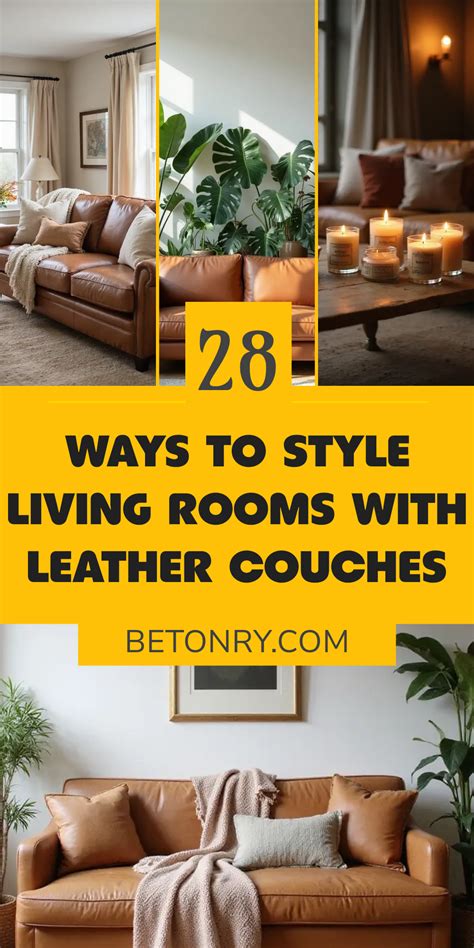
Leather behaves differently depending on the regional climate of your U.S. home. In dry, arid climates like the American Southwest, leather can dry out, stiffen, and eventually crack if it is not conditioned regularly. Conversely, in humid coastal environments or unconditioned spaces, leather requires good air circulation to prevent moisture retention and mold growth. Positioning your leather seating away from direct heating vents, fireplaces, and prolonged afternoon sunlight preserves the suppleness of the hide and prevents premature fading.
Maintenance for leather is refreshingly straightforward compared to fabric, provided you establish a consistent routine. Spills can be wiped away quickly with a clean, damp cloth before they penetrate the pores. However, pet claws and sharp jean rivets can puncture or scratch even top-grain leather. If you share your home with cats or dogs, opt for semi-aniline or protected leather finishes that resist scratching better than untreated pull-up leathers, and keep trimming your pets’ nails to maintain a pristine surface for years to come.
Frequently Asked Questions
What is the difference between full-grain and top-grain leather for everyday use?
Full-grain leather uses the untouched outer hide, offering maximum breathability and a gorgeous natural patina that improves with age, though it shows scratches more readily. Top-grain leather is lightly sanded and finished with a protective coating, making it more stain-resistant and forgiving for everyday family use.
Should I buy a leather sofa or a loveseat for a small apartment?
For small apartments, a loveseat or an apartment-sized sofa is generally the better choice because it preserves critical floor space and allows for a more balanced room layout. A standard full-sized sofa can easily crowd a compact room, leaving little space for traffic flow or other essential furniture.
How do I fit a large leather sofa through tight rental doorways and stairwells?
Measure all doorways, stairwells, and hallways prior to purchase. Look for sofas with removable legs, low-profile frames, or modular designs that can be disassembled. Always check the diagonal depth of the sofa against your narrowest entryway clearance.
Are leather sofas good for homes with pets and children?
Yes, protected or top-grain leather sofas are great for families because liquids wipe off easily without soaking into cushions. However, cats can scratch leather, so choosing a thicker, textured leather hide and keeping pet claws trimmed helps minimize visible damage.
How do I maintain and condition a leather couch in different U.S. climates?
In dry climates, apply a specialized leather conditioner every 6 to 12 months to prevent cracking caused by low humidity and heating systems. In humid regions, ensure adequate ventilation around the couch to prevent moisture buildup, and keep all leather furniture away from direct sunlight and heating vents.


