When planning a getaway that brings the comforts of indoor living into the great outdoors, selecting the right shelter is essential. For families and groups who want room to move without feeling cramped, a 4-5 person tent serves as the ideal sweet spot. Manufacturers design these tents to accommodate small families or groups of friends comfortably, but understanding the difference between maximum capacity ratings and real-world livability is crucial for making a wise investment.
Beyond floor space, a successful outdoor adventure requires meticulous attention to weatherproofing. High-quality water-resistant layers, sturdy frame structures, and thoughtful ventilation design transform a simple nylon shelter into a secure, weather-resistant haven. This guide explores the critical factors you need to evaluate before purchasing your next multi-person camping tent, helping you balance square footage with genuine storm protection.
Evaluating Real-World Space and Capacity in Multi-Person Tents

Manufacturer capacity ratings often assume campers are sleeping shoulder-to-shoulder on thin sleeping pads with minimal gear inside the main cabin. If your household prefers queen-sized air mattresses, camp cots, or designated space for backpacks and boots, a standard four-person tent can quickly feel restrictive. Choosing a model specifically tailored to offer spacious bedrooms ensures everyone has adequate breathing room and a comfortable spot to rest after a day of hiking or exploring.
Floor dimensions typically range from 8×7 feet up to 10×10 feet or more for larger four-to-five-person layouts. Cabin-style tents often feature near-vertical walls, which dramatically increase the usable interior volume compared to traditional sloping dome tents. When evaluating floor plans, measure your preferred sleeping setups beforehand. Leaving a central walking path or space near the door prevents campers from having to crawl over one another during midnight trips outside.
Peak Height and Vertical Wall Advantages

Vertical walls and generous peak heights completely alter the interior experience of a multi-person tent. A peak height of six feet or more allows most adults to stand upright while changing clothes, reducing the physical strain associated with crouching inside lower shelters.
Cabin-style architecture maximizes this vertical space by utilizing near-vertical corner poles. While these designs offer exceptional headroom and a more room-like feel reminiscent of indoor living spaces, they generally present a larger profile against strong winds, making proper guy-line usage absolutely essential during stormy conditions.
Understanding Water-Resistant Layers and Rainfly Protection
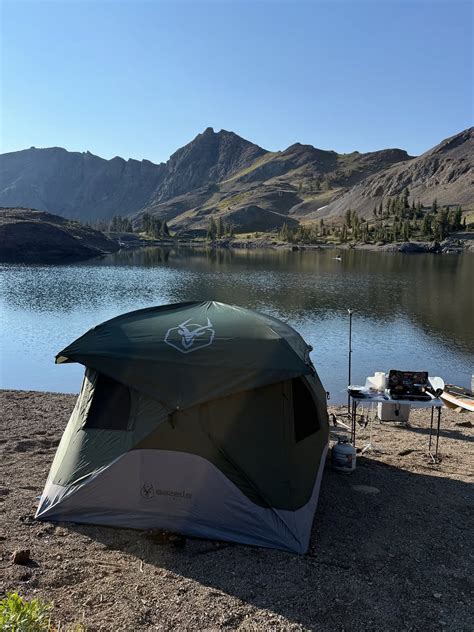
Weather resistance is the cornerstone of any reliable outdoor shelter, protecting you from unexpected downpours and morning condensation. A tent’s water resistance relies heavily on its rainfly design, fabric denier, and waterproof coatings. Look for tents constructed with durable polyester or nylon fabrics treated with polyurethane coatings, often measured in millimeters of hydrostatic head rating.
A full-coverage rainfly that extends all the way to the ground offers superior protection compared to partial rainflies that leave mesh upper walls exposed to driving wind and rain. Furthermore, factory-taped seams prevent moisture from seeping through needle holes created during manufacturing. Pairing your tent with a correctly sized ground footprint adds an extra layer of defense against groundwater pooling underneath the floor.
The Role of Hydrostatic Head Ratings in Heavy Rain
Hydrostatic head ratings quantify how much water pressure a fabric can withstand before moisture penetrates the material. A rating of 1,500mm to 2,000mm is typically considered sufficient for standard multi-season camping, while more rugged alpine or heavy-storm environments often demand ratings of 3,000mm or higher for the floor and rainfly.
Keep in mind that zipper areas and floor seams are common stress points where moisture management can fail if not properly maintained. Applying seam sealer periodically and ensuring your rainfly remains taut prevents water pooling and maintains a dry interior climate throughout prolonged rainy spells.
Ventilation, Airflow, and Condensation Management
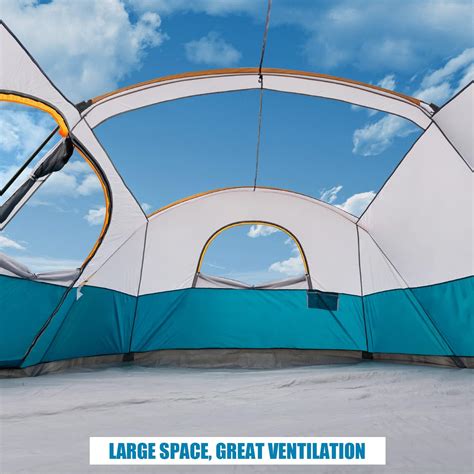
Even the most water-resistant tent can become damp and uncomfortable if interior moisture has nowhere to escape. Breathable mesh inner bodies paired with adjustable ground vents and rainfly awning flaps allow continuous airflow while keeping rain outside. Effective cross-ventilation reduces internal condensation, which occurs naturally when warm breath and body heat meet cooler outer tent walls.
When shopping for a 4-5 person tent, inspect the placement and size of mesh windows and upper roof vents. Tents that allow you to roll back portions of the rainfly during clear weather offer versatile climate control, letting you stargaze at night while maintaining privacy during the day. Balancing sealed weather protection with smart airflow design keeps the indoor environment fresh and dry.
Portability, Packed Size, and Setup Simplicity
Balancing spacious interior dimensions with manageable transport logistics requires careful consideration of packed size and weight. A massive cabin tent with steel poles and heavy canvas fabric may offer luxurious headroom, but it will consume considerable trunk space and require significant physical effort to transport and pitch.
Modern multi-person tents often utilize lightweight aluminum or flexible fiberglass pole systems equipped with color-coded clips and sleeves to streamline assembly. If you frequently camp in remote sites or need to carry gear short distances from your vehicle, look for tents that pack down into sturdy, compression-style carry bags with distinct storage pockets for stakes, poles, and the main canopy.
Frequently Asked Questions
What size tent is truly comfortable for 4 to 5 people including gear?
For genuine comfort, a 4-5 person tent should ideally provide a 10×10 foot footprint or larger if you plan to use cots or thick air mattresses. If you pack light with compact sleeping pads, a standard 8×8 or 9×7 model can work, but storing bulky gear inside the sleeping cabin will quickly reduce available floor space.
How do I determine if a tent’s water-resistance layer is sufficient for heavy rain?
Check the manufacturer specifications for a full-coverage rainfly and a hydrostatic head rating of at least 1,500mm to 2,000mm. Additionally, ensure the tent features factory-taped seams and a bathtub-style floor that curves upward to keep ground water away from the stitching.
How do cabin-style tents compare to dome tents for group camping?
Cabin-style tents offer near-vertical walls and high ceilings, making them feel like a spacious room where adults can stand up and move freely. Dome tents feature sloped, aerodynamic walls that handle high winds much better but offer less usable headroom near the outer edges.
What maintenance steps ensure a water-resistant tent lasts for years?
Always ensure your tent is completely dry before packing it away to prevent mold and mildew growth. Clean off mud and dirt using mild soap and water rather than harsh detergents, and reapply a waterproof spray or seam sealer every few seasons to maintain the protective coating integrity.


