Planning a memorable camping getaway across the diverse landscapes of the United States requires reliable gear that balances comfort, durability, and space. For families, groups of friends, or extended stays in national and state parks, upgrading to a large 3-room tent can completely transform the outdoor experience. Instead of dealing with cramped sleeping quarters and tangled gear, a multi-room shelter offers distinct zones for sleeping, lounging, and storing equipment securely out of the elements.
However, navigating the wide variety of cabin and dome tents on the market can feel overwhelming. Cabin-style tents with near-vertical walls provide exceptional headroom, while dome structures handle high winds more effectively. Evaluating your group dynamic, the regional weather patterns of your destination, and how much time you are willing to spend on setup will guide you toward the right investment for your outdoor adventures.
Understanding the Benefits of a Multi-Room Shelter
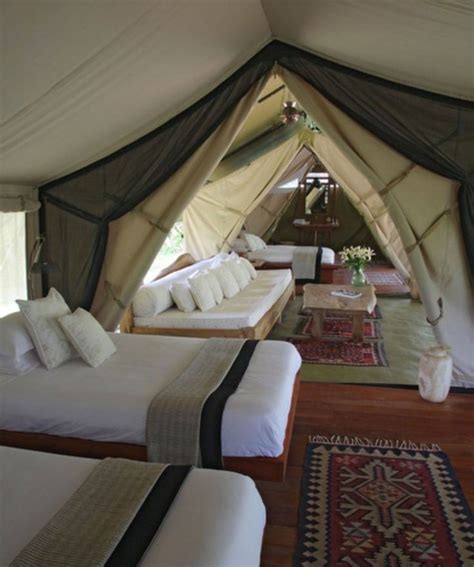
The primary advantage of a 3-room tent is the ability to maintain personal privacy and organization over multi-day trips. When camping with children, teenagers, or multiple couples, having physical dividers prevents the tent from turning into a chaotic mass of sleeping bags and duffel bags. Separate rooms allow parents to have a designated sleeping area while kids or guests occupy the opposite side, keeping personal items contained and easy to find.
Beyond sleeping arrangements, the middle or central room in these large setups often serves as a communal living space, a mudroom for muddy boots, or a weather-protected dining area during unexpected rain showers. This layout mimics the functional zones of a traditional home, helping campers stay organized and comfortable even when spending hours indoors due to inclement weather. Managing gear sprawl significantly reduces campsite stress and makes packing up at the end of the trip much smoother.
Evaluating Layout and Floor Plan Configurations
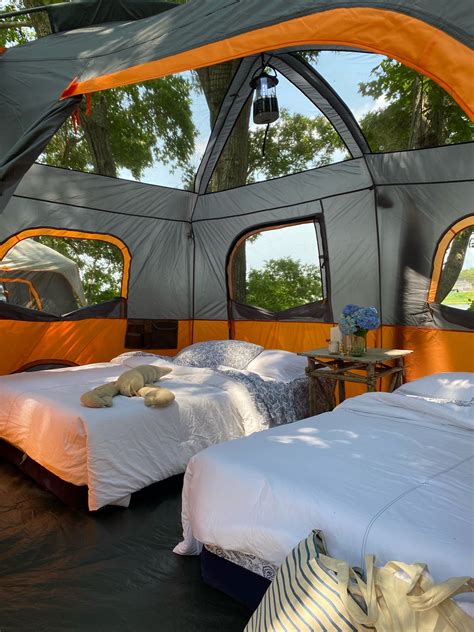
When reviewing floor plans, look for options where the main entrance opens directly into a central common room rather than a private sleeping chamber. This design ensures that traffic entering and exiting the tent does not disturb those who are sleeping or resting. Consider whether removable dividers or zippered walls are preferable; zippered fabric walls offer superior privacy and sound dampening compared to simple hanging curtains.
Another critical consideration is floor space dimensions relative to your camping gear. While a tent manufacturer might advertise a capacity of ten or twelve people, that figure assumes sleeping side-by-side on narrow sleeping pads without luggage. For genuine comfort with cots, air mattresses, and camp furniture, subtract at least two to four people from the rated capacity to determine your true comfort threshold.
Key Weatherproofing and Durability Considerations Across U.S. Regions
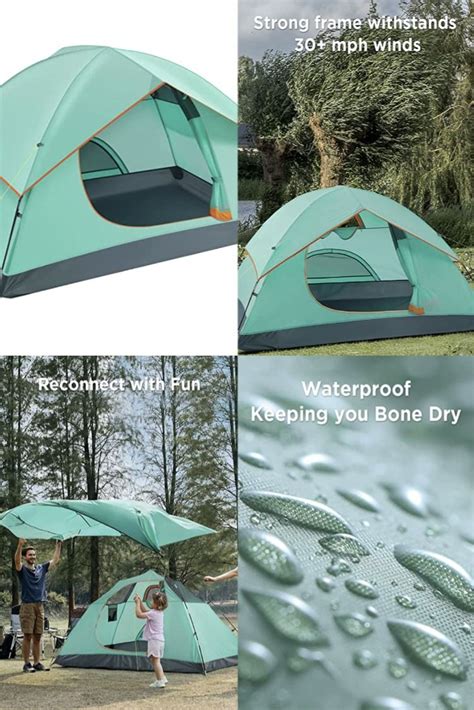
Weather conditions in the United States vary drastically from the humid summers of the Southeast to the windy plains of the Midwest and the unpredictable mountain storms of the Rockies. A large 3-room tent acts as a significant wind sail due to its high profile and expansive surface area. Therefore, selecting a model with robust frame materials—such as thick fiberglass or lightweight aviation-grade aluminum poles—is essential for maintaining structural integrity during sudden gusts.
Waterproofing is another non-negotiable factor when evaluating potential shelters. Look for tents featuring factory-sealed seams, a durable water repellent (DWR) coating, and a high hydrostatic head rating on the rainfly and floor. Bathtub-style floors that elevate the seam lines several inches above the ground prevent water from pooling underneath your sleeping area during heavy downpours. Always verify whether the rainfly extends fully down the sides of the tent or only covers the roof mesh.
Ventilation Management in Humid and Arid Climates
Large tents are notoriously prone to condensation buildup if air cannot circulate freely through the interior. Breathable mesh inner walls combined with adjustable ground-level vents allow cool air to enter near the floor while warm, moisture-laden air escapes through the ceiling mesh and rainfly vents. This cross-ventilation is vital for maintaining a comfortable interior temperature during hot summer nights.
If your camping destinations frequently experience rainy weather, look for tents with hooded windows that can remain partially open for ventilation even during a steady drizzle. This feature prevents you from having to zip all the windows shut and trap humidity inside the shelter. Balancing privacy panels with mesh screening ensures you can adapt the tent to changing weather conditions throughout the day.
Setup, Transport, and Campsite Practicalities
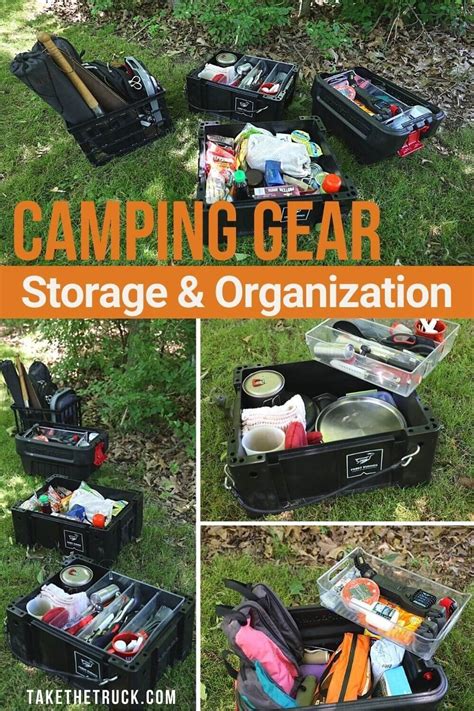
Before purchasing a spacious 3-room tent, consider its packed weight and dimensions relative to your vehicle storage capacity. Large family tents often pack down into substantial duffel bags that require significant trunk or roof-rack space, especially when packed alongside coolers, chairs, and kitchen gear. Additionally, verify whether the tent bag leaves enough room to repack the shelter easily after your trip, as factory folds are notoriously difficult to replicate in the field.
Setting up a multi-room tent typically requires at least two adults, particularly when raising the tall frame poles of a cabin-style structure. Practicing a dry run in your backyard before embarking on your trip helps familiarize everyone with the color-coded pole systems and clip attachments. Taking this precautionary step saves valuable daylight and reduces frustration once you arrive at your designated campsite.
Making Your Final Decision
Choosing the perfect large 3-room tent ultimately comes down to prioritizing your group’s most critical needs. If privacy and standing headroom are your top concerns, a tall cabin tent with rigid steel or aluminum poles will serve you exceptionally well. If you frequently camp in exposed, windy environments, a hybrid dome-cabin design may offer better stability against unpredictable weather.
Evaluate your budget against the expected frequency of your trips and the quality of materials offered by different manufacturers. Investing in a durable, well-ventilated shelter with reliable waterproofing ensures that your family can enjoy comfortable, stress-free U.S. getaways for many camping seasons to come.
Frequently Asked Questions
How many people are realistically needed to set up a large 3-room tent?
While some solo campers can manage smaller models with extensive practice, a large 3-room tent almost always requires at least two adults for an efficient and safe setup. The height and width of the frame make managing poles and clipping fabric difficult for a single person, especially if there is a breeze.
Can a 3-room tent withstand heavy rain and high winds?
Yes, provided you choose a model with sturdy pole construction, securely stake down all guy lines, and use a properly fitted rainfly. However, because large tents have a high profile, they are more susceptible to high winds than low-profile backpacking tents, making proper site selection and guying crucial.
Are the room dividers in multi-room tents removable?
Most modern 3-room tents feature flexible interior walls made of fabric with zipper closures. These can typically be rolled back and secured to the sides when you want to create one large open space, or zipped closed to establish private sleeping compartments.
How do I prevent condensation inside a large family tent?
Condensation is minimized by maximizing cross-ventilation. Keep lower mesh vents open, utilize rainfly vents, and leave windows cracked if weather permits. Placing a waterproof footprint or tarp entirely underneath the tent floor also prevents ground moisture from rising into the living space.