Designing a comfortable and functional gathering space begins with selecting furniture that complements both your architectural layout and your daily routine. In many American homes and apartments, the living room serves multiple functions, acting as a quiet retreat, an entertainment hub, and occasionally a home office workspace. Because multi-piece furniture sets dictate the flow and visual weight of the entire room, taking a methodical approach to your selection prevents common pitfalls like overcrowding or mismatched design scales.
When evaluating furniture sets, looking past initial visual appeal toward spatial proportion, traffic flow, and long-term durability yields better long-term results. Whether you are outfitting a compact urban rental or a sprawling suburban house, understanding how different configurations interact with square footage makes all the difference. The following framework outlines how to match set choices to specific American housing types while maintaining cohesive interior style.
Evaluating Space and Layout Constraints
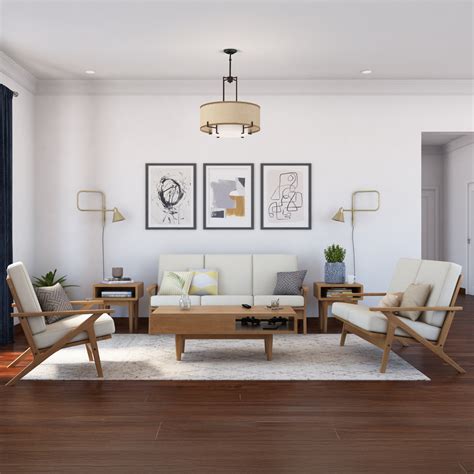
Before browsing furniture packages, understanding your exact floor plan dimensions and architectural limitations is essential. American apartments frequently feature open-concept floor plans where the living area flows directly into the kitchen or dining space, requiring furniture sets that define distinct zones without building physical barriers. Conversely, traditional suburban homes often have more compartmentalized living rooms with specific focal points like fireplaces or large media walls.
Creating a functional layout involves measuring not just the floor area, but also clearance paths for entryways, windows, and doors. Standard interior design principles recommend leaving at least thirty inches of walking space around major furniture groupings to maintain comfortable traffic flow. If you live in a high-rise apartment or a historic brownstone, also verify that large sofa frames and accent chairs can physically navigate stairwells, elevators, and narrow doorways during delivery.
Selecting the Right Set Configuration for Apartments Versus Houses

Apartment living demands maximum efficiency from every single square foot. For smaller urban footprints, modular sets or apartment-scale sofas paired with a single versatile ottoman often outperform bulky three-piece traditional suites. An apartment-scale sofa features a shallower seat depth and a streamlined frame, which preserves valuable floor space while still offering comfortable seating for everyday lounging or hosting guests.
Suburban homes with larger footprints can easily accommodate more substantial arrangements, such as generous sectional sofas paired with matching accent chairs and substantial coffee tables. In these expansive rooms, oversized furniture fills the visual volume, preventing the space from feeling stark or unanchored. However, even in larger rooms, avoiding the temptation to push all furniture directly against the walls helps foster an intimate, inviting conversation area rather than a hollow perimeter.
Balancing Material Durability and Daily Lifestyle

Choosing the right upholstery and frame construction depends heavily on how actively your living room is used. Households with pets, young children, or frequent gatherings require high-performance fabrics like tightly woven synthetic blends, solution-dyed acrylics, or treated leather that resist staining and daily wear. These materials withstand rigorous cleaning routines while maintaining their structural integrity and aesthetic appeal over years of heavy use.
Beyond upholstery, internal frame construction dictates the longevity of any living room set. Kiln-dried hardwood frames joined with reinforced corner blocks offer superior structural stability compared to softer woods or plastic-reinforced joints. Evaluating these hidden construction details ensures that your investment supports daily sitting, lounging, and shifting weights without sagging, squeaking, or losing its foundational support over time.
Frequently Asked Questions
What should I consider when buying a living room set for a small apartment versus a house?
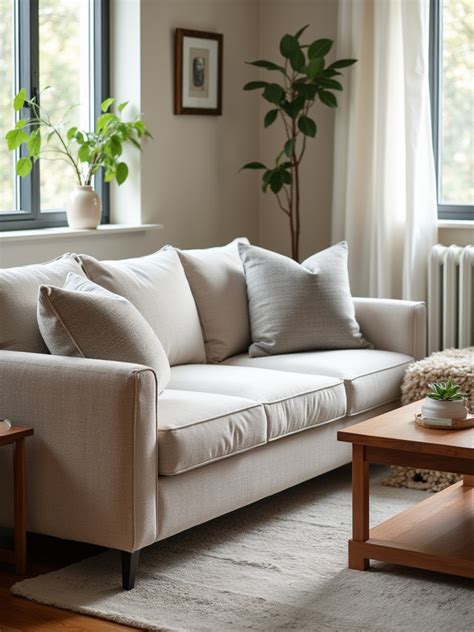
For a small apartment, prioritize scale-appropriate furniture such as apartment-sized sofas, nesting tables, and multi-functional ottomans with hidden storage. In a larger house, you can scale up to full sectionals and matching accent chairs to properly fill the open volume of the room without looking sparse.
How do I choose a cohesive furniture set that matches my interior design style?
Look for unifying elements such as consistent leg finishes, complementary fabric textures, and harmonious color tones. If you prefer a curated look rather than a matchy-all-in-one suite, stick to a single design era or color palette to maintain visual harmony across different pieces.
What are the most durable materials for US households with pets or children?
Performance fabrics like Crypton, Sunbrella indoor options, and genuine or high-grade faux leather stand up exceptionally well to spills, claws, and heavy daily wear. For frames, kiln-dried hardwood ensures long-lasting stability.
How can I measure my living room correctly before purchasing a multi-piece set?
Measure the total length and width of the room, note the placement of doors, windows, and heating vents, and use painter’s tape on the floor to outline where each piece of furniture will sit. This helps visualize walking paths and confirms whether clearance space is sufficient.


