Gray flooring has remained a dominant choice in American residential design, appearing in everything from rustic farmhouse wood planks to sleek urban tile. However, many homeowners discover that once the gray flooring is installed, selecting the right wall paint becomes surprisingly challenging. A white that looked crisp on a paint swatch can suddenly appear stark blue, or a beige can look inexplicably muddy against a gray base. The secret to achieving a cohesive, inviting interior lies entirely in understanding color undertones and how regional daylight interacts with your permanent finishes.
Decoding Gray Floor Undertones: Warm vs. Cool
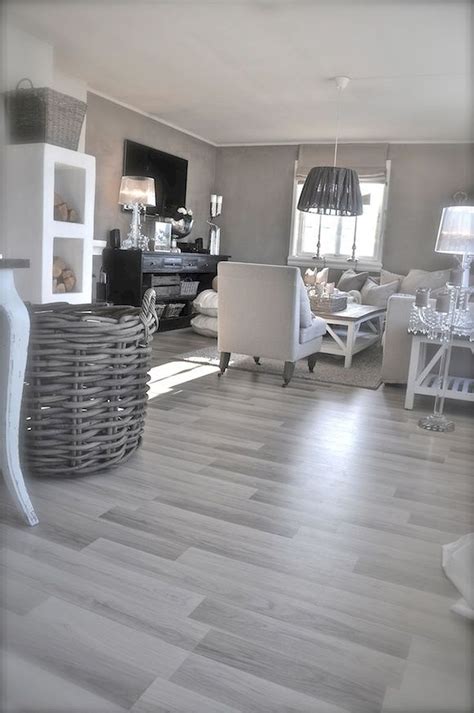
Before selecting any paint can, you must determine whether your gray flooring leans warm or cool. Gray is rarely a pure neutral; it is usually tinted with underlying hints of blue, green, purple, or conversely, brown, taupe, and beige. Stepping back from the floor in natural daylight helps reveal these hidden base notes. If your gray floor has a bluish or silvery cast, it belongs to the cool family. If it feels softer, earthier, or has subtle brown undertones, it is classified as a warm gray.
Ignoring these underlying notes is the single most common mistake homeowners make. When you pair a cool, icy gray tile with a warm, creamy yellow-based wall paint, the two colors will actively fight each other, creating visual dissonance. Conversely, matching a warm greige floor with a crisp, sterile blue-gray wall can make a living space feel uncomfortably clinical. Identifying your floor’s undertone first acts as an essential anchor for every subsequent color decision you make in the room.
Best Wall Colors to Pair with Gray Floors
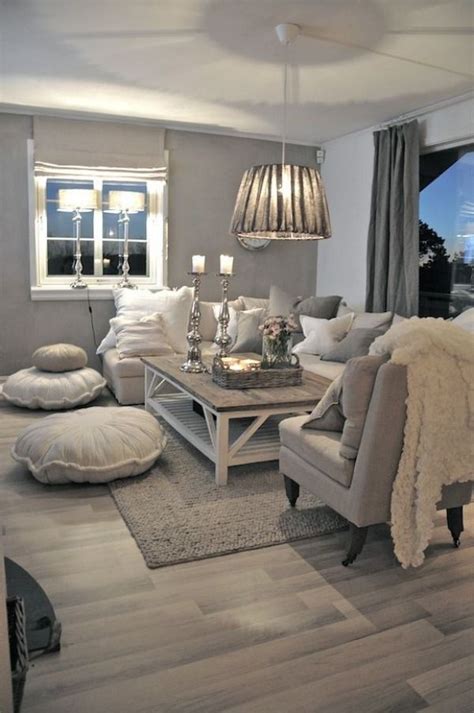
Once you identify your flooring’s base characteristics, you can explore wall shades that either harmonize or thoughtfully contrast. For cool gray floors, soft off-whites with clean or slightly cool bases, muted blues, and gentle sage greens create a serene, unified atmosphere. These shades enhance the sophisticated, airy quality of cool gray without overwhelming the room’s overall brightness.
For warm gray or greige floors, you have more flexibility to introduce comforting neutrals. Soft warm whites, creamy ivories, and muted taupes bridge the gap between the floor and walls, adding much-needed coziness to living rooms and bedrooms. If you prefer a bolder aesthetic, deeply saturated accent colors like navy blue, charcoal, or muted terracotta can create a stunning grounded effect against lighter gray floorboards.
Colors and Mistakes to Avoid with Gray Flooring
Certain paint choices reliably cause trouble when paired with gray surfaces. Bright, saturated yellows and golden tones often clash aggressively with gray flooring, resulting in a color palette that feels disjointed and dated. Similarly, stark, builder-grade bright whites with heavy blue tints can make rooms with gray floors feel sterile, cold, and uninviting, draining all the warmth out of the space.
Another frequent pitfall involves choosing a neutral wall paint that is the exact same visual weight or lightness as the gray floor. When walls and floors share the exact same tonal value without enough contrast, the room feels flat and boxy. Introducing variation—either by going significantly lighter on the walls or anchoring the space with rich furniture and textiles—prevents the interior from feeling washed out and uninspired.
How U.S. Lighting Impacts Your Color Choices
Natural light varies dramatically across different regions of the United States and depends heavily on which direction your windows face. A living room with north-facing windows in the Pacific Northwest receives cool, bluish light that will intensify cool gray floors and make neutral walls look even colder. In contrast, south-facing rooms in the Sunbelt receive intense, warm golden light that can completely transform how wall paint interacts with your flooring throughout the day.
Testing paint samples directly on the wall next to your gray floor is non-negotiable. Paint a large square on a piece of poster board—leaving a white border around the edge so the existing wall color does not distort your view—and move it around the room. Observe how the swatch looks in the morning, under artificial evening lighting, and during peak afternoon sun. This simple step saves countless hours of labor and prevents costly repainting mistakes.
Frequently Asked Questions
What wall colors go best with gray floors?
The best wall colors depend on your floor’s undertone. Cool gray floors pair beautifully with soft off-whites, crisp light grays, muted blues, and sage greens. Warm gray or greige floors look exceptional with creamy whites, warm beige, soft taupes, and earthy muted tones that enhance their cozy quality.
Why do some paint colors look off with gray flooring?
Paint colors usually clash with gray floors when their undertones conflict. For example, a yellow-based cream paint will often clash with a blue-tinted cool gray floor, creating an awkward visual tension. Mismatching the tonal value, such as choosing a wall color that matches the exact depth of the floor, also flattens the room’s design.
Can I use warm white walls with gray floors?
Yes, you can use warm white walls with gray floors, but you must check the undertones first. Warm whites work exceptionally well if your gray floor features warm, brownish greige undertones. If your floor is a very icy, cool gray, test the warm white carefully to ensure it does not look dingy or muddy against the cooler flooring.
How does natural light affect gray floors and wall paint?
Natural light dictates how undertones reveal themselves. North-facing light is cool and blue, which amplifies cool grays and can make rooms feel chilly. South-facing light is warm and golden, softening cool tones and enhancing warm grays. Always view your paint and flooring samples at different times of day before committing.


