Designing a comfortable, functional gathering space begins with selecting the right furniture arrangement. Whether you are moving into a newly constructed suburban home or updating an urban apartment, choosing a cohesive living room set requires careful balancing of scale, layout, and daily lifestyle demands. American living spaces often serve multiple functions, acting as home theaters, playrooms, and formal hosting areas all at once.
Understanding how different furniture configurations interact with standard architectural features ensures your investment enhances both comfort and room flow. Rather than rushing into a purchase based solely on showroom aesthetics, taking time to evaluate spatial proportions, fabric durability, and modular flexibility will lead to a more enduring and satisfying living environment.
Assessing Space and Proportions in American Floor Plans
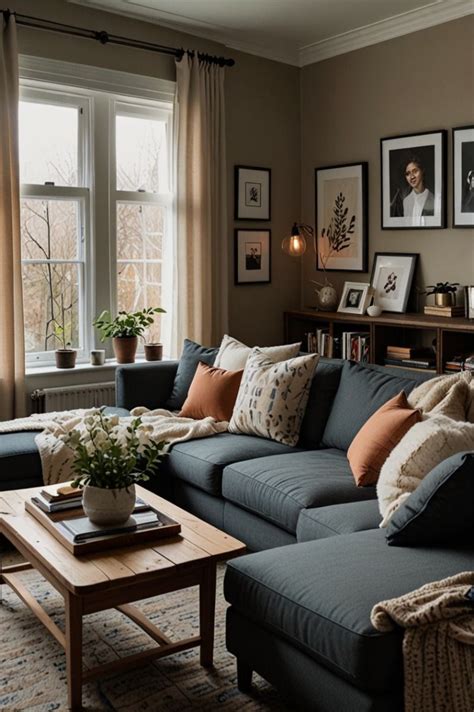
Before browsing furniture catalogs or visiting showrooms, you need a clear measurement of your room’s dimensions and architectural quirks. American living rooms frequently feature open-concept layouts, multiple entryways, large windows, or fireplaces that dictate where large pieces can be safely placed. Neglecting to map these permanent fixtures often results in oversized sofas that block natural light or impede walking paths.
Aim to leave at least 30 to 36 inches of clear clearance for primary walking paths around your seating arrangement. Additionally, consider the viewing distance between your primary sofa and the television or focal point; a comfortable screen viewing distance is generally about 1.5 to 2.5 times the diagonal width of the screen. Using painter’s tape on the floor to outline potential furniture footprints is a classic spatial planning method that helps visualize true scale before money changes hands.
Matching Sets Versus Curated Collections
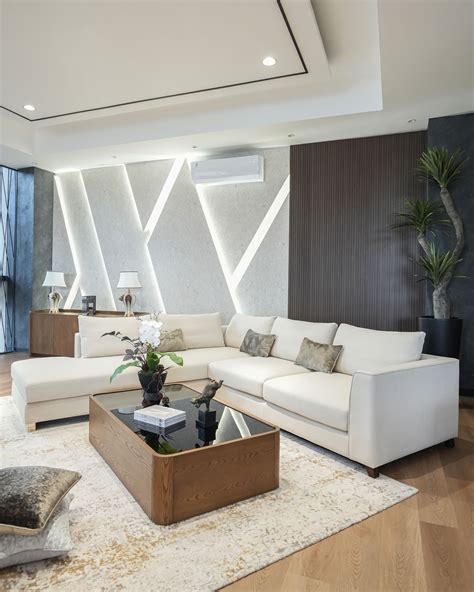
One of the most common dilemmas buyers face is whether to purchase a bundled matching living room set—typically featuring a sofa, loveseat, and matching accent table—or to curate individual pieces over time. Matching sets offer undeniable convenience and budget-friendly pricing, delivering instant visual harmony without requiring advanced design coordination. They work exceptionally well for busy households that want a straightforward, coordinated solution in a single shopping trip.
However, strictly matching suites can sometimes make a room feel static or overly formal, lacking the layered character found in professionally styled interiors. Curating individual pieces allows you to mix textures, woods, and upholstery fabrics for a more personalized aesthetic. If you prefer a curated look, anchor the space with a neutral, high-quality sofa, then introduce complementary armchairs, a distinct coffee table, and varied lighting fixtures to build depth and visual interest naturally.
Prioritizing Fabric and Frame Durability
Daily life in a busy household places heavy demands on living room furniture. Households with children, pets, or frequent guests require materials that resist staining, scratching, and structural wear. When evaluating upholstered pieces, look closely at the frame construction details. Kiln-dried hardwood frames joined with corner blocks and dowels offer superior stability and longevity compared to lightweight particleboard or stapled joints.
Fabric choice is equally critical for everyday maintenance and long-term appearance. Performance fabrics, tightly woven synthetic blends, and heavy-duty leather withstand heavy friction and resist liquid absorption far better than delicate linens or loose-weave cottons. If you love the look of light-colored upholstery, seek out removable, washable cushion covers or treated performance textiles that simplify spot-cleaning minor spills and everyday dirt.
Frequently Asked Questions
What pieces typically come in a standard living room set?
Traditional bundled living room sets usually include a full-sized sofa and a matching loveseat. Many retailers also offer expanded packages that incorporate an armchair, an ottoman, or a matching coffee table and end table combination to provide complete room furnishings in one purchase.
How can I arrange furniture for optimal traffic flow?
Position your main seating group to encourage easy conversation while keeping main pathways unobstructed. Ensure that people can walk through the room from entryways to other living spaces without squeezing past furniture corners, and float furniture slightly away from walls in larger open-concept rooms to create an intimate conversational zone.
Is a matching sofa and loveseat necessary for small apartments?
Not at all. In compact apartments, a standard sofa paired with a single versatile accent chair or a comfortable armchair often preserves floor space better than a bulky sofa and loveseat combination, preventing the room from feeling overcrowded.


