Living in a compact US apartment often means navigating tight square footage, awkward architectural layouts, and strict rental lease restrictions. When your living room serves as a workspace, entertainment hub, and relaxation zone all at once, every square inch counts. Designing a small living room requires moving past conventional decorating rules and embracing smart, intentional choices that elevate both function and aesthetics without making the room feel crowded.
Successfully styling a small apartment living room is not just about downsizing your belongings; it is about selecting the right pieces and arranging them strategically. By focusing on vertical architecture, multi-purpose furniture, and clever lighting, you can transform a cramped layout into an open, welcoming retreat. Here are 17 smart solutions tailored to help you maximize your small apartment living room while keeping your space comfortable and personalized.
1. Choose Scale-Appropriate Seating
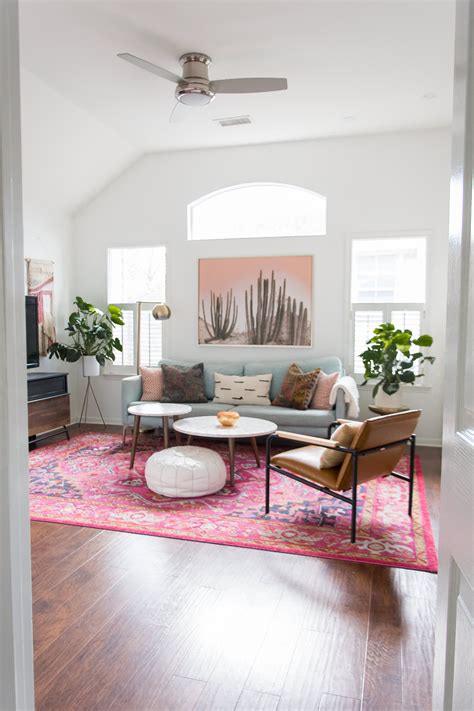
One of the most common pitfalls in small apartment design is purchasing oversized furniture that overwhelms the room. Standard American sectional sofas often dominate compact floor plans, leaving little room for movement or secondary seating. Instead, opt for apartment-sized sofas or loveseats featuring exposed legs, which create an illusion of greater floor space underneath by allowing the eye to travel across the flooring.
When selecting seating, look for low-profile backs that keep sightlines open across the room. Pairing a streamlined two-seater sofa with a couple of lightweight accent chairs or floor cushions gives you flexibility when hosting guests without permanently blocking walking paths or natural light sources. Consider how you actually use the room day-to-day rather than planning for rare hosting scenarios that require massive seating arrangements.
2. Embrace Multi-Functional Furniture
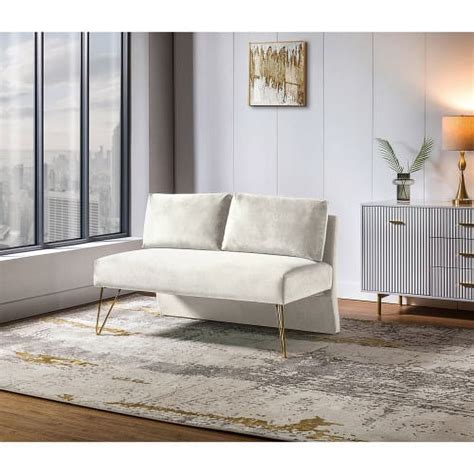
In a tight living room, every single furniture piece should ideally perform more than one job to prevent spatial overcrowding. A storage ottoman can serve as a footrest, extra seating, and a hidden bin for stray blankets, extra pillows, or board games. Similarly, a lift-top coffee table instantly converts into an impromptu dining table or a comfortable desk for remote work sessions without requiring a separate home office setup.
Investing in dual-purpose items drastically cuts down on visual clutter while solving everyday storage dilemmas common in rental apartments. Look for clean-lined designs that fold away, nest together, or feature hidden compartments when not in use, preserving your valuable floor space throughout the day. Prioritizing versatility ensures that your furniture adapts to your shifting daily routines.
3. Leverage Vertical Wall Space
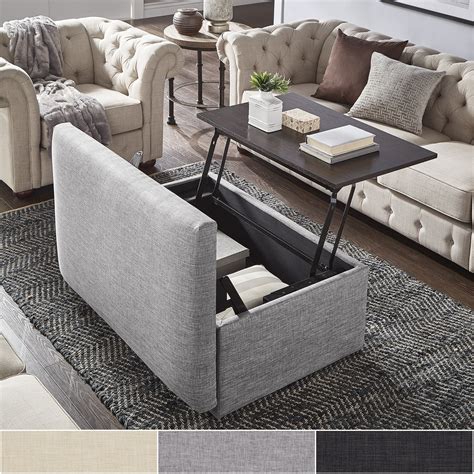
When floor space is severely limited, look up. Many apartment dwellers overlook their walls, missing out on massive storage and styling potential. Installing floating shelves near the ceiling draws the eye upward, making the entire living room feel taller while keeping books, plants, and decorative objects safely off your precious floor area.
For renters hesitant to drill extensive holes into drywall, heavy-duty leaning bookcases or modular wall-mounted track systems offer incredible vertical storage capacity with minimal wall damage. These solutions allow you to display personal items cleanly while maintaining an airy, uncluttered footprint below. Always anchor tall shelving securely to the wall to ensure safety, especially in households with pets or children.
4. Strategic Mirror Placement
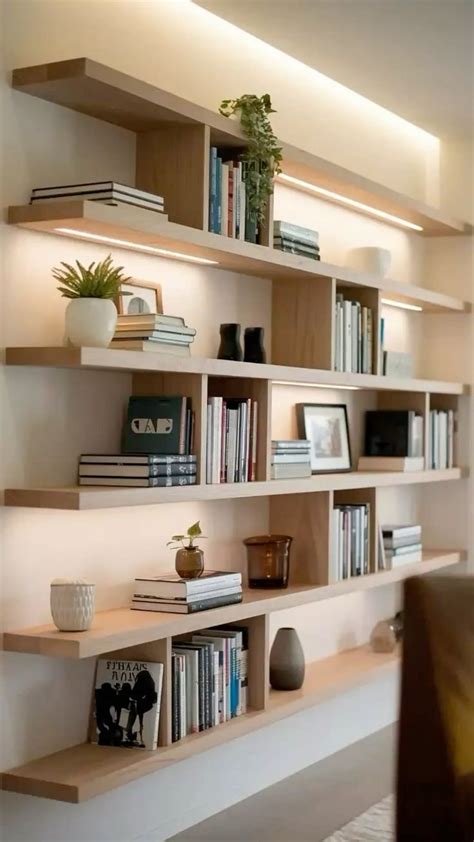
Mirrors are a classic interior design tool because they effectively double the visual depth of a room and bounce natural light into darker corners. Placing a large, oversized mirror opposite a window in your small apartment living room instantly creates the illusion of an expansive view and brightens the space during overcast days.
If floor space does not permit a leaning full-length mirror, consider a striking gallery wall composed of smaller mirrors with varying metallic or wooden frames. This technique adds sophisticated texture to the room while fulfilling the same functional purpose of reflecting ambient light. Positioning mirrors thoughtfully can completely alter the perceived geometry of a narrow or window-deprived room.
5. Define Zones with Area Rugs
Open-concept studio apartments or combined living-dining areas often lack clear spatial boundaries, making the layout feel chaotic and disorganized. Using a strategically sized area rug anchors your seating arrangement and visually separates the living room zone from the rest of the apartment without building physical walls or blocking light.
Ensure your rug is large enough so that at least the front legs of your sofa and accent chairs rest comfortably on it. A common mistake is buying a rug that is too small, which visually chops up the room and makes the living area feel cramped and disconnected. A well-proportioned rug pulls all individual furniture elements together into a cohesive vignette.
6. Utilize Floating Furniture Arrangements
A natural instinct in a small room is to push all furniture firmly against the perimeter walls to maximize the open floor space in the middle. However, floating your furniture slightly away from the walls often creates a more balanced, intentional, and surprisingly spacious layout that encourages natural traffic flow.
Leaving a few inches of breathing room around your sofa and chairs allows air and light to circulate more freely throughout the space. This layout prevents the room from looking like a waiting room or a furniture showroom and gives the space a high-end, designer feel that feels comfortable rather than rigid.
7. Opt for Transparent and Open-Leg Pieces
Visual weight plays a massive role in how large a room feels to the human eye. Heavy, dark wood furniture blocks light and creates solid visual barriers that make compact living rooms feel heavy and confined. Integrating acrylic, glass, or wire-frame furniture keeps sightlines completely open and unobstructed.
A clear acrylic coffee table or glass-topped side table practically disappears into the background, allowing your eyes to travel uninterrupted across the room. This clever trick maximizes the perceived volume of your living space while still providing necessary surface areas for drinks, books, and daily essentials.
8. Streamline Window Treatments
Heavy, dark draperies can suffocate a small living room by blocking precious natural light and making walls feel closer than they actually are. Hang lightweight linen or sheer cotton curtains mounted close to the ceiling line rather than right above the window frame to maximize height.
Extending the curtain rod higher and wider than the window itself creates a powerful optical illusion, making your windows appear much larger and allowing maximum sunlight to flood the room during the day, which instantly boosts the room’s airy atmosphere. Simple hardware and light fabrics keep the overall look relaxed and modern.
9. Incorporate Hidden Cord and Tech Management
Tangling cords, bulky media consoles, and visible power strips create instant visual noise that makes a small room feel messy and stressful. Mount your television directly to the wall when permitted, and use discreet raceways or cable management sleeves to hide unsightly wires against the wall plane.
Choose a slim-profile media console or repurpose a narrow vintage dresser to hold electronics while concealing routers and charging cables inside cabinet doors. Keeping surfaces completely clear of tech clutter preserves a serene, minimalist environment that helps you unwind after a long workday.
10. Choose a Cohesive, Light Color Palette
Dark, saturated paint colors can wrap a cozy room in drama, but in a small apartment living room with limited windows, they often shrink the space visually. Sticking to a cohesive, light color palette featuring soft whites, warm greys, or muted pastels reflects ambient light and expands the room visually.
You can still inject personality and warmth through colorful throw pillows, patterned rugs, and textured art pieces without overwhelming the walls. Keeping the major foundation pieces neutral ensures the room remains bright, versatile, and easy to update as your personal style or seasonal preferences evolve.
11. Maximize Under-Sofa Storage
The neglected space underneath your sofa is prime real estate in a small apartment. If your sofa sits low to the ground, consider purchasing furniture risers or selecting a model with ample clearance specifically designed to accommodate low-profile storage bins.
Slide rolling plastic containers or fabric baskets underneath to house off-season clothing, extra bedding, or shoes. This hidden storage trick keeps essential items easily accessible while completely out of sight from guests, ensuring your main living areas stay pristine.
12. Embrace Minimalist Decor and Negative Space
Clutter is the ultimate enemy of small-space living. Adopting a curated approach to decor means every single item on display has a distinct purpose or brings you genuine joy. Leaving intentional pockets of negative space on your shelves and tabletops lets the room breathe and prevents visual fatigue.
Instead of scattering numerous small knick-knacks across every surface, group items into cohesive arrangements or display a single striking statement piece. This edited approach highlights your favorite objects and keeps the room looking polished rather than overwhelmed by accessories.
13. Integrate Built-In Lighting Solutions
Floor lamps and table lamps take up valuable surface and floor space, which can be frustrating in tight quarters. Wall-mounted swing-arm sconces and plug-in pendant lights provide functional task and ambient lighting without cluttering your side tables or floors.
Installing dimmer switches also allows you to easily adjust the mood of your living room, transforming a bright daytime workspace into a cozy, intimate evening lounge with a simple flick of a switch. Layered lighting at different heights adds warmth and dimension.
14. Choose Sliding or Pocket Doors
Traditional swinging interior doors can swallow up crucial floor space in small apartments, dead-matching the areas they swing into. If your living room connects directly to a bedroom or kitchen via a standard door, consider replacing it with a sliding barn door or a pocket door if structural modifications are allowed.
For renters, fabric room dividers or stylish accordion screens offer flexible, non-permanent ways to close off spaces when privacy is needed without sacrificing square footage to swinging door arcs. This flexibility is essential for dynamic studio layouts.
15. Scale Down Your Coffee Table
A massive, heavy coffee table locks you into a rigid layout and consumes the center of the room. Swapping out a traditional table for a cluster of small nesting tables or an upholstered pouf gives you incredible versatility for entertaining and daily lounging.
Nesting tables can be pulled apart when guests need a place for drinks and pushed back together into a compact stack when you need open floor space for stretching out or exercising. This adaptability is invaluable in multi-use apartment living rooms.
16. Hang Art Vertically
When displaying artwork, resist the urge to place small frames in isolated spots that break up the wall plane. Instead, create vertical gallery groupings that guide the eye upward, emphasizing high ceilings and making the room feel grander and more expansive.
Choosing frames that match your window trim or furniture finishes creates a unified look that ties the room together seamlessly without overwhelming the limited wall space. Thoughtful art placement adds character without adding physical clutter.
17. Keep Pathways Completely Clear
The true test of a well-designed small apartment living room is how easily you can navigate it. Ensure there are clear, unobstructed pathways from the entryway to the seating area and windows. Keeping floor paths open prevents the room from feeling like an obstacle course and maintains a calm, fluid energy throughout your home.
Test your layout by walking through the room in the dark or with groceries in hand to identify any awkward pinch points. A functional apartment layout always prioritizes human movement and accessibility over rigid symmetrical decor rules.
Frequently Asked Questions
How can I layout a very small living room?
Focus on floating your furniture slightly away from the walls to create air circulation, choose a suitably sized area rug to anchor the space, and keep primary walking pathways completely unobstructed. Avoid pushing every piece of furniture against the perimeter.
What furniture works best in compact US apartments?
Multi-functional items like lift-top coffee tables, storage ottomans, and apartment-sized sofas with exposed legs work best because they reduce clutter, maximize hidden storage, and maintain open sightlines across the room.
How do I make a small living room look bigger?
Maximize natural light by using sheer window treatments mounted near the ceiling, hang mirrors strategically opposite windows to reflect light, and stick to a light, cohesive color palette paired with minimalist decor.
Where can I find hidden storage solutions?
Look for under-sofa rolling bins, vertical bookshelves, hollow storage ottomans, and media consoles with closed cabinetry to keep everyday clutter neatly tucked away and out of sight.


