Designing a comfortable, functional living space often starts with the anchor pieces of furniture surrounding your main seating area. While sofas and accent chairs claim the spotlight, a well-chosen living room table set brings the entire room together through unified finishes, balanced heights, and practical surface area. Choosing matching coffee and end tables eliminates the guesswork of interior styling, providing an instant sense of design continuity that works particularly well in open-concept American homes.
Yet, finding the right package requires looking beyond a single catalog photo. Factors such as standard US couch dimensions, traffic flow clearance, and everyday household habits dictate whether a multi-piece furniture bundle will truly succeed in your space. This guide explores the core principles of selecting, scaling, and arranging coffee and end table packages to maximize both daily utility and visual appeal.
The Case for Matching Sets Versus Coordinated Pieces
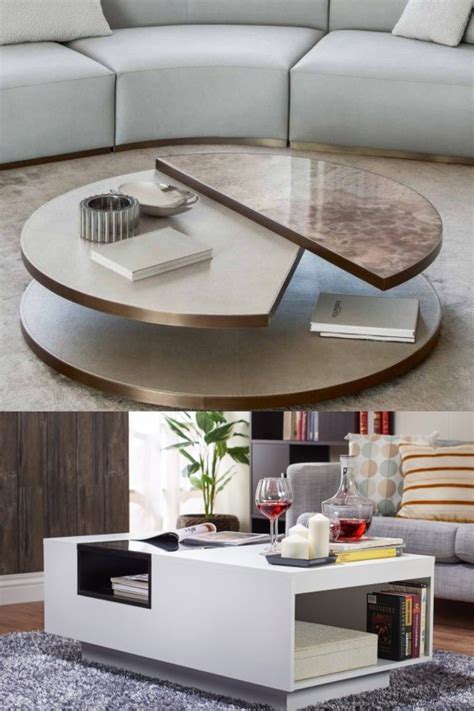
Opting for a packaged furniture collection offers a streamlined approach to home decorating, especially for homeowners and renters who prefer a curated look without spending hours hunting down individual items. Coordinated sets feature matching wood stains, metal finishes, or upholstery accents, creating immediate visual harmony that calms busy open-plan spaces. This approach ensures that your primary gathering area feels intentional and professionally designed rather than hastily assembled.
However, strict matching does come with trade-offs. Relying entirely on a three-piece bundle featuring an identical coffee table and two end tables can occasionally make a room look rigid or overly formal. To soften this effect, many contemporary interior guidelines suggest using a matched table set as a strong foundation, then introducing diverse textures through lamps, woven baskets, books, and decorative trays. This strategy retains the structural cohesion of a set while layering in the personality of your home.
Mastering Sizing and Proportions in American Living Rooms
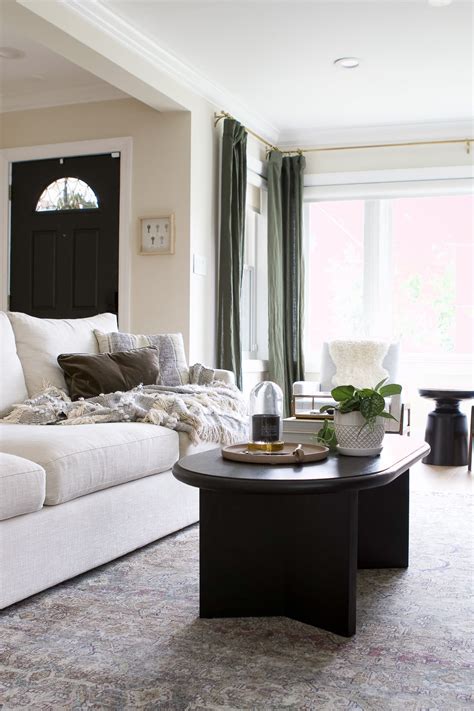
Getting the scale right is the single most important step when shopping for a living room table set. In typical American living rooms, furniture must accommodate comfortable movement, standard sofa lengths, and standard viewing distances from media consoles. A coffee table should generally sit about one to two inches lower than your sofa cushions and leave roughly 14 to 18 inches of clearance between its edge and the sofa. This ensures easy leg room and convenient access to beverages without making the room feel cramped.
End tables require an equally careful measurement approach. The surface height of an end table should ideally match the height of your sofa or armchair’s armrest, or sit within an inch or two lower. Placing a tall end table next to a low-slung, modern sectional creates an awkward reach and disrupts the horizontal lines of the room. When evaluating a set online or in a showroom, always verify the exact dimensions of both the main coffee table and the accompanying side pieces against your existing seating measurements.
Evaluating Materials for Durability and Lifestyle Needs
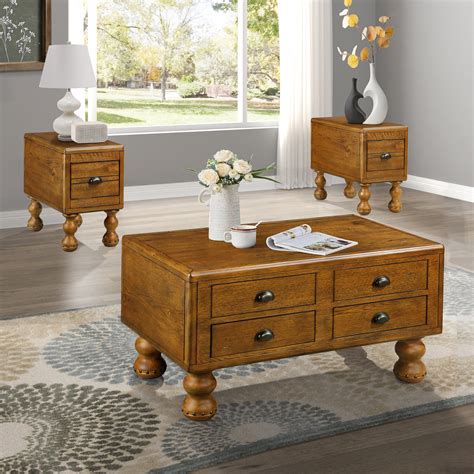
Material selection defines both the aesthetic category of your table set and its long-term resilience under everyday use. Solid hardwoods like oak, walnut, and acacia offer timeless appeal and impressive durability, making them a staple for family homes. However, households with young children or active pets may want to consider alternative finishes or look for designs with softened, rounded corners to prevent accidental bumps. Scratches on natural wood can often be buffed out, but softer woods may require protective coasters and placemats.
Alternative materials bring distinct functional advantages to different interior styles. Tempered glass top tables create an airy, open feeling that expands smaller apartments, though they demand frequent cleaning to keep fingerprints and dust at bay. Metal frames paired with laminate or stone surfaces offer an industrial or modern transitional vibe while resisting heat and moisture damage exceptionally well. Weighing how your household actually uses these surfaces—whether for homework, casual dinners, or simply holding table lamps—helps determine which material composition will serve you best.
Arrangement Strategies for Different Living Room Layouts
How you arrange your furniture depends largely on the architectural layout of your room, whether you have a traditional four-wall living room or a sprawling suburban great room. For standard sofa-and-loveseat configurations, placing the coffee table centrally with one end table stationed in the shared corner between the seats optimizes accessibility. If your layout features a large L-shaped sectional, a rectangular coffee table centered along the longest section works best, while a single end table placed on the open end anchors the floating side of the furniture group.
Traffic flow remains the ultimate rule of thumb for any successful living room layout. Ensure there is a clear walking path of at least 30 inches around major furniture groupings so family members and guests can move freely between entryways, kitchens, and adjoining spaces. If a three-piece table set blocks these natural pathways, consider separating the pieces—using one end table in a reading nook, for instance—to maintain an open, welcoming environment throughout your home.
Frequently Asked Questions
Should coffee and end tables always match?
They do not have to match strictly, but buying a matching set is the easiest way to guarantee visual harmony. If you prefer a more eclectic look, you can mix pieces that share at least one common element, such as matching metal frames paired with different top materials.
How do I choose the right size table set for my living room?
Measure your sofa height and length first. Your coffee table should be about 1 to 2 inches lower than your sofa cushions and leave 14 to 18 inches of leg clearance. End tables should match the height of your sofa or chair armrest for comfortable access.
What materials hold up best for families with kids or pets?
Metal frames, durable laminates, and distressed or textured wood surfaces tend to hide everyday wear and tear better than high-gloss finishes or delicate glass. Additionally, look for tables with rounded or softened edges for added safety in active households.
How many end tables do I need based on my seating arrangement?
As a general rule, place an end table wherever someone needs a surface to set down a drink or a book. A standard sofa paired with an accent chair typically requires two end tables—one on the shared corner and one beside the standalone chair.
Where can I find affordable and stylish living room table sets in the US?
Many online furniture retailers, home goods marketplaces, and major US department stores offer curated table sets. Prioritize vendors that provide clear dimension charts, customer review photos, and reliable return policies to ensure the set fits your space accurately.


