Designing a comfortable and visually appealing gathering space often begins with selecting the right foundation pieces. Complete living room furniture sets eliminate the guesswork of matching individual sofas, accent chairs, and coffee tables, offering an integrated look that anchors the entire room. However, finding the right collection for an American home requires looking past showroom displays and evaluating how scale, lifestyle, and architectural layout intersect in daily life.
When planning a coherent design scheme, homeowners must weigh the convenience of bundled collections against the flexibility of standalone items. A well-chosen set establishes an immediate color palette and design vocabulary, making it easier to select subsequent decor elements such as drapery, wall art, and lighting fixtures. Understanding your specific spatial constraints ensures that the investment enhances daily comfort rather than cluttering your living environment.
Understanding What Complete Furniture Sets Include
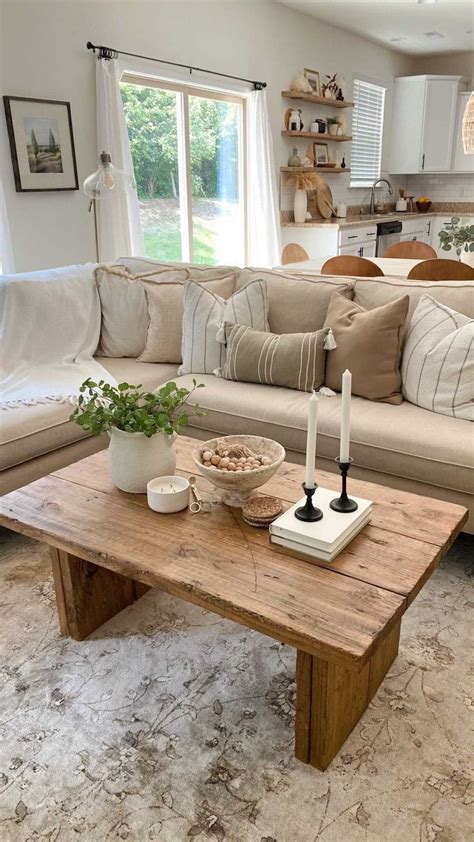
A standard living room furniture collection typically centers around a primary seating option, such as a three-seater sofa or a sectional. Beyond the main couch, many curated sets incorporate a matching loveseat or an armchair to complete the conversation circle. Coordinating cocktail tables, end tables, and sometimes media consoles round out larger bundles, ensuring a cohesive design language across every surface in the room.
When evaluating these packages, homeowners and renters must consider whether a multi-piece bundle actually serves their spatial needs. In many modern American apartments or historic urban townhomes, squeezing in a matching sofa, loveseat, and two bulky end tables can instantly overwhelm the floor plan. Instead of defaulting to the largest bundle available, look for scaled-down collections that feature a streamlined sofa and a single versatile ottoman or coffee table, leaving breathing room around your perimeter walls.
Stylistic categories within these collections heavily dictate the overall mood. For instance, mid-century modern sets often feature tapered wooden legs, low-profile silhouettes, and tailored channel tufting that create an airy, open feel ideal for compact spaces. Conversely, transitional sets blend classic comfort with clean contemporary lines, offering deeper cushions and rolled or track arms that suit larger, relaxed family rooms.
Tailoring Furniture Sets to American Architectural Layouts
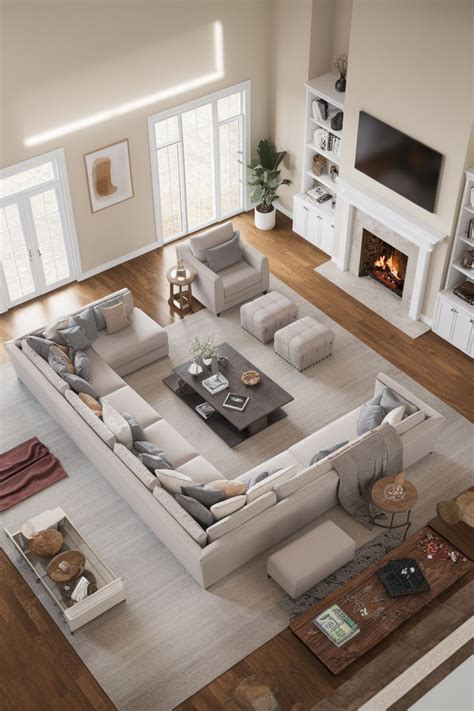
The layout of your home dictates how furniture must be arranged to maintain natural traffic flow. In traditional suburban split-levels or colonial-style homes with closed floor plans, matching sofa and chair sets fit predictably against perimeter walls, creating a formal yet inviting conversation hub centered around a fireplace or television.
Open-concept ranch houses and contemporary urban lofts demand a different strategy entirely. In these expansive layouts, furniture sets must act as architectural dividers rather than wall decorations. Selecting a sectional-based collection allows you to define distinct zones for relaxing and entertaining without constructing physical barriers, keeping the entire main floor feeling airy and interconnected.
Spatial planning requires strict adherence to clearance guidelines to ensure comfortable movement. Interior designers generally recommend leaving a minimum of 30 to 36 inches of clear walking pathway around major furniture groupings. Furthermore, keeping at least 14 to 18 inches of distance between a sofa edge and a coffee table allows adequate legroom while maintaining easy access to beverages and books.
Prioritizing Durability, Performance Fabrics, and Upholstery Grades
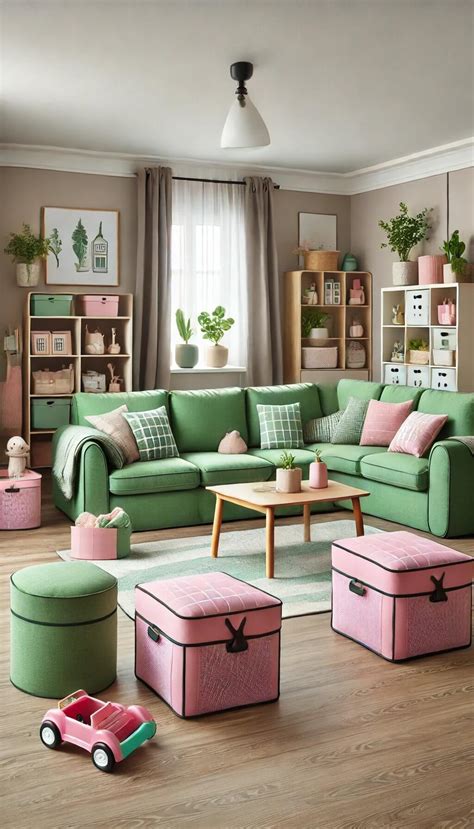
A beautiful living room set must also withstand the rigors of everyday living, particularly in households with children, pets, or frequent guests. Performance fabrics like Crypton, heavy-weight linens, and tightly woven polyester blends have revolutionized family-friendly design by repelling spills and resisting claw snags while maintaining a soft, luxurious hand-feel.
When assessing the longevity of upholstered furniture, evaluating the fabric’s double-rub count provides an objective measure of durability. Standard residential upholstery typically ranges from 15,000 to 25,000 double rubs, which easily handles normal daily use. For high-traffic family rooms or households with active pets, selecting fabrics rated for 30,000 to 50,000 double rubs or higher ensures exceptional resistance to abrasion and wear over time.
Frame construction and cushion density are equally critical indicators of long-term durability. Kiln-dried hardwood frames prevent warping over time, while high-resilience foam wrapped in feather-down or synthetic fiber blends ensures cushions retain their shape through years of daily lounging. Investing in robust core materials prevents sagging and structural fatigue, ensuring your living room collection remains supportive and attractive for years to come.
Making Matching Sets Look Curated and Personal
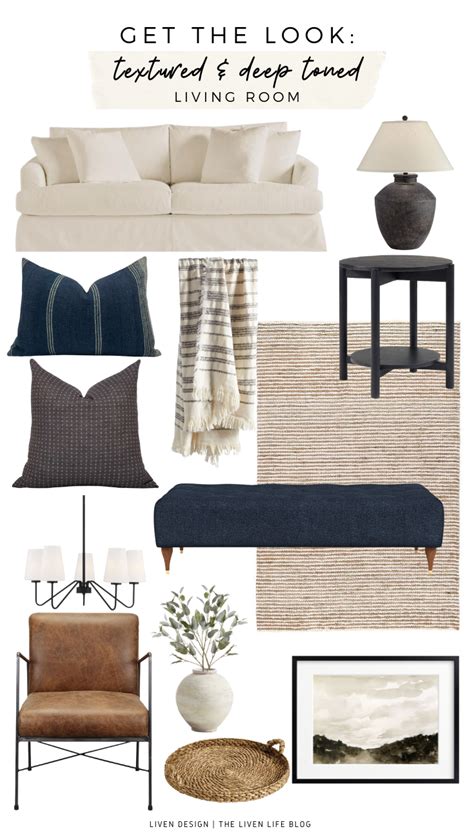
One common hesitation regarding pre-matched furniture bundles is the risk of a generic, showroom-floor aesthetic. To avoid this pitfall, interior designers recommend treating the furniture set as a blank canvas rather than a finished design statement. Introduce varied textures through throw pillows, knitted blankets, and patterned area rugs that break up the uniformity of solid-colored upholstery.
Effective texture layering involves combining smooth, tactile surfaces with rougher, organic elements. If your sofa set features smooth, neutral performance velvet, consider pairing it with a chunky wool throw blanket, a woven jute area rug, and smooth ceramic or raw-edge wooden accent tables. This deliberate contrast injects visual depth and warmth into the room, preventing the matching set from looking flat or sterile.
Another effective strategy is mixing in independent accent pieces that contrast with the main collection. Pair a streamlined contemporary sofa set with a vintage wooden coffee table, or flank a neutral sectional with an antique accent chair upholstered in a bold, contrasting textile. These thoughtful layers inject personal character into the space, transforming a standardized furniture package into a deeply personalized home interior.
Frequently Asked Questions
What furniture pieces are typically included in a complete living room set?
Standard living room collections usually feature a primary sofa paired with a matching loveseat, armchair, or ottoman. Larger bundles may also incorporate coordinating coffee tables, end tables, and media units designed with matching finishes or complementary textiles.
How do I choose a furniture set that fits my living room layout?
Always measure your floor space and map out walking pathways before purchasing, aiming for 30 to 36 inches of clearance around major furniture items. For open-concept spaces, modular sectionals help define room boundaries, while traditional rectangular rooms accommodate standard sofas and matching chairs arranged against walls or floating with space behind them.
Which materials are best for high-traffic or pet-friendly American homes?
Look for performance fabrics such as tightly woven synthetic blends, microfiber, or treated linens that feature high double-rub counts (30,000 or more) to resist stains and claw snags. Additionally, prioritize solid kiln-dried hardwood frames and high-density foam cushions for lasting structural support.
How can I make a matching furniture set look curated rather than showroom-generic?
Break up uniform color palettes by adding diverse textures, such as chunky knit blankets, woven rugs, and raw wood accents. Incorporating vintage or contrasting accent tables and chairs will also personalize the space and give it a collected-over-time feel.


