When anchoring a seating area, selecting cohesive living room table sets transforms a disjointed room into a polished, intentional space. Rather than hunting down individual pieces that might clash in scale or finish, purchasing a coordinated collection ensures seamless visual flow across your primary gathering space. Standard packages usually feature a central coffee table accompanied by one or two matching end tables, and sometimes a slim console table for behind the sofa. This uniform approach simplifies the design process while establishing an immediate sense of architectural harmony in standard American living layouts.
Anatomy of a Well-Chosen Table Set
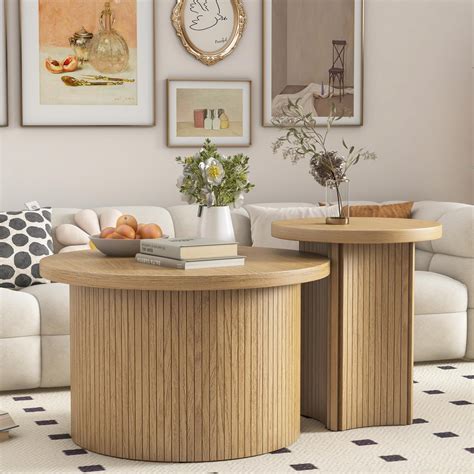
Choosing the right combination of surfaces depends heavily on how your household interacts with the living room daily. A primary coffee table serves as the visual anchor and operational hub for holding remote controls, serving trays, and decorative books. Meanwhile, end tables flank your sofa or accent chairs, providing essential perches for task lighting, beverage coasters, and reading glasses. For open-concept floor plans common in contemporary suburban homes, adding a matching sofa console table helps define spatial zones, creating a subtle boundary between the living area and an adjoining kitchen or dining space.
Beyond basic inventory, understanding scale prevents common arrangement mistakes. A coffee table should generally sit about 14 to 18 inches away from your sofa, leaving ample legroom while keeping surface items within effortless reach. End tables should ideally match the height of the sofa’s armrest, or sit slightly lower, to maintain balanced sightlines. Evaluating these spatial relationships before bringing home a new suite guarantees that your furniture enhances movement rather than blocking high-traffic pathways.
Matching vs. Coordinating: Finding the Right Design Approach
Historically, living room table sets meant identical wood finishes across every single surface in the room. While this traditional matching approach still delivers a clean, formal aesthetic that works wonderfully in transitional or classic interiors, modern design often leans toward curated coordination. Mixing materials—such as pairing a solid wood coffee table with matte black metal end tables—adds depth and visual texture without making the room feel cluttered or chaotic.
When deciding between exact matches and curated coordination, consider the existing elements in your room. If your sofa and flooring feature strong textures or bold patterns, sticking to a unified table set helps ground the space and prevents visual fatigue. Conversely, if your larger upholstered pieces are neutral and understated, introducing a coordinated set with contrasting textures allows your tables to act as understated statement pieces that elevate the overall decor.
Selecting Durable Materials for Active US Households
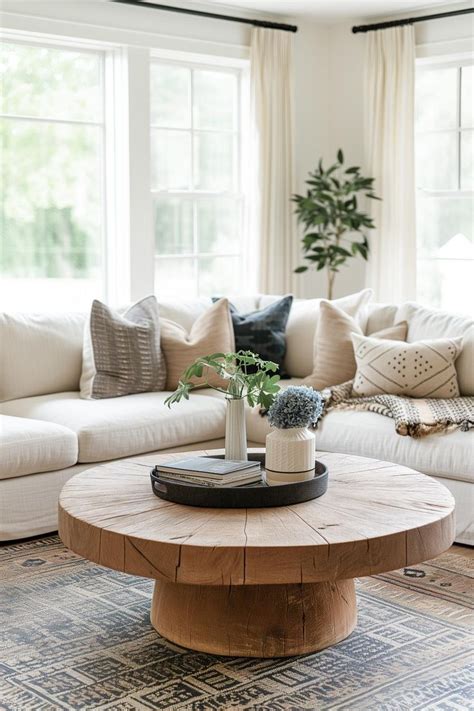
Household dynamics heavily dictate which materials will serve you best over time. Families with young children or active pets often benefit from rounded organic shapes, such as oval or round wooden coffee tables, which eliminate sharp corners and reduce the risk of accidental bumps. Solid hardwoods like oak, walnut, or acacia offer incredible longevity and can withstand daily wear, while minor scratches can often be buffed out or embraced as part of a lived-in patina.
Alternatively, tempered glass tabletops paired with metal frames create an airy, light-reflecting illusion that makes compact apartments or narrow living rooms feel considerably larger. However, glass surfaces require more frequent dusting and streak maintenance. Stone surfaces like marble or travertine bring organic luxury and heat resistance, though they demand protective coasters to guard against acidic spills. Balancing aesthetic desires with practical household realities ensures your furniture remains beautiful and functional for years.
Professional Styling Techniques for Coordinated Tables
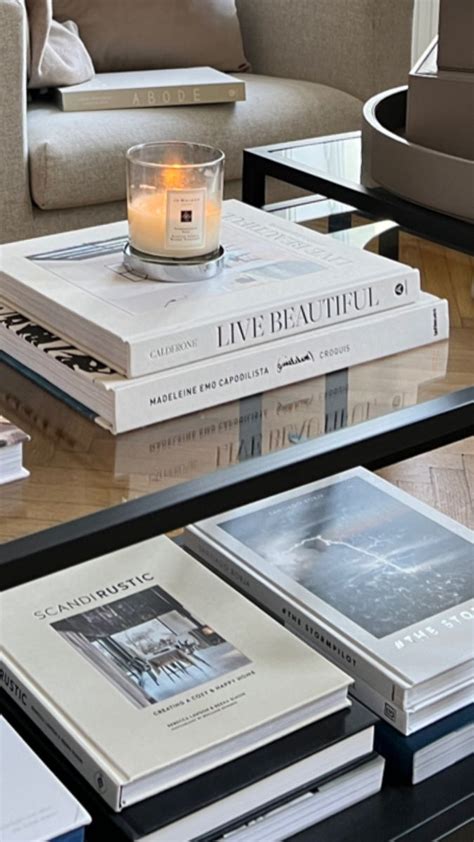
Once your table set is in place, thoughtful styling bridges the gap between functional furniture and high-end interior design. Professional stylists often rely on the rule of threes, grouping decorative objects in odd numbers to create visually pleasing asymmetry. On a coffee table, combine a low decorative tray, a vertical stack of hardcover design books, and a sculptural ceramic vase or seasonal botanical element. This creates varying heights that catch the eye without overwhelming the usable surface area.
End tables require a more minimalist touch due to their smaller surface footprint. Rather than crowding an end table with multiple decorative trinkets, prioritize functionality by placing a stylish table lamp for ambient evening lighting alongside a small catch-all dish for keys or small accessories. Leaving a portion of every tabletop completely bare preserves the practical utility of the furniture, ensuring your living room remains an inviting, comfortable environment for everyday relaxation.
Frequently Asked Questions
What pieces typically come in a living room table set?
Most standard sets include one central coffee table and one or two matching end tables. Larger collections may also incorporate a console table designed to sit behind a sofa or along an entryway wall.
Should my coffee table and end tables match completely?
They do not have to match completely. While matching sets create a formal, unified look, many modern homes benefit from coordinated sets that feature complementary materials, such as wood tops with metal frames, for added textural depth.
How do I choose table heights that look and feel right?
Your coffee table should sit level with or slightly lower than your sofa seat cushions, while end tables should match or sit slightly below the height of your sofa’s armrests for comfortable reach and balanced proportions.
Which materials are best for homes with pets and kids?
Solid hardwoods and rounded shapes—like oval or round coffee tables—are ideal for active households because they eliminate sharp corners and withstand heavy daily use better than delicate glass or high-gloss finishes.


