Blank living room walls often present a design dilemma, leaving spaces feeling uninspired or incomplete. While mass-produced shelving units offer a quick fix, they frequently lack the tailored character and warmth that custom millwork brings to a home. Crafting your own floating shelves bridges this gap, allowing you to control the exact dimensions, wood species, and stain color to harmonize with your existing furnishings. By combining sturdy hidden hardware with meticulous finishing techniques, you can achieve a high-end architectural look that enhances your living space safely and affordably.
Embarking on this weekend project requires careful planning, standard woodworking tools, and an understanding of wall construction. Whether you prefer the rustic appeal of knotty pine or the sleek grain of white oak, building your own shelves ensures a seamless fit. This guide walks you through selecting the right materials, constructing a reliable hidden support system, mounting the shelves securely into wall studs, and styling your new display like a professional interior designer.
Selecting the Ideal Wood and Finishes for Living Room Elegance
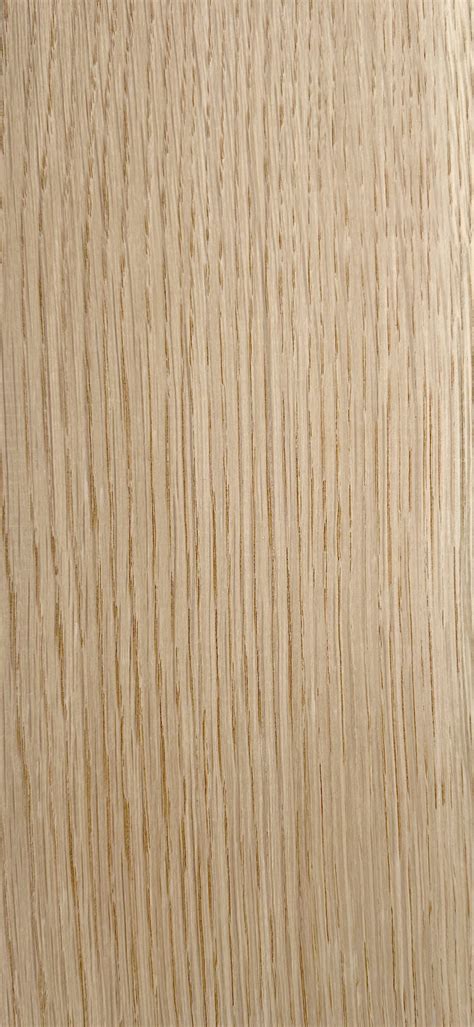
The foundation of any stunning floating shelf is the timber you choose. Hardwoods such as white oak, walnut, and maple offer exceptional durability, rich grain patterns, and a refined tactile quality that elevates a living room instantly. Softer woods like pine or poplar are more budget-friendly and easier to cut, but they require a conditioned pre-stain treatment to absorb dark wood stains evenly without looking blotchy.
When matching your new shelves to existing living room furniture, evaluate the undertones of your coffee table, media console, or hardwood floors. Warm honey tones pair well with traditional or transitional spaces, while neutral or cool grays and whitewashed finishes suit contemporary interiors. Always test your chosen stain or protective clear coat on a scrap piece of the exact same board before applying it to your finished shelves, as different wood species react uniquely to finishing products.
Building and Installing a Heavy-Duty Hidden Bracket System
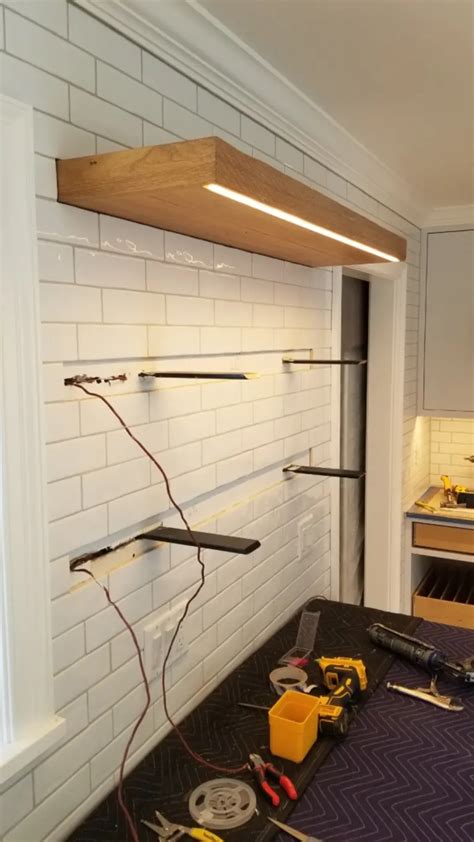
The hallmark of a true floating shelf is the complete absence of visible brackets or corbels, creating a clean, architectural silhouette. To achieve this illusion without sacrificing strength, construct a robust internal support frame using dimensional lumber or steel rod brackets. A common and reliable method involves building a hollow box shelf that slides directly over a securely anchored wooden ladder frame attached firmly to the wall studs.
Safety is paramount when hanging wall shelves, particularly in a high-traffic living room where children or pets might be present. Always locate your wall studs using an electronic stud finder and drive heavy-duty structural screws directly into the center of the framing members. Never rely solely on drywall anchors for floating shelves carrying decorative items, as leverage can cause them to shear away from the wall over time.
Styling Your New Floating Shelves with Balanced Decor
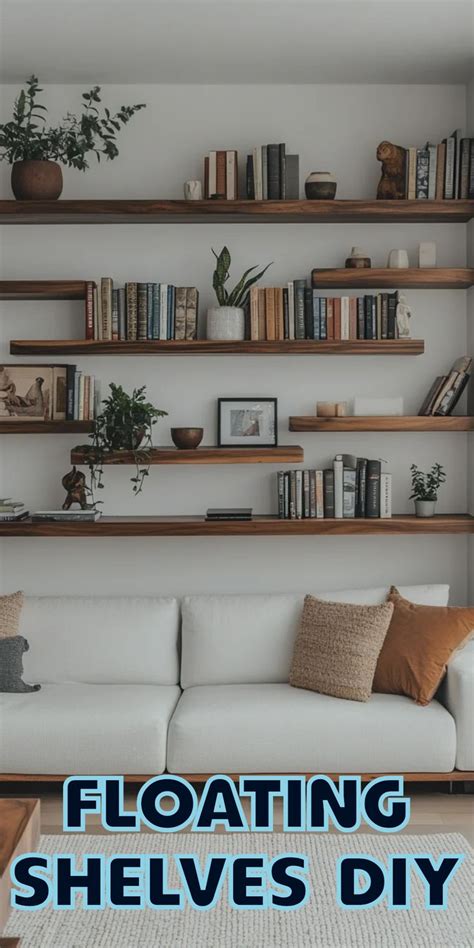
Once your shelves are securely mounted and the finish has fully cured, the final step involves curating your display. Avoid the temptation to overcrowd the boards; elegant styling relies on negative space and thoughtful curation. Group items in asymmetrical arrangements of odd numbers, varying the heights and textures of your objects to maintain visual interest across the wall.
Incorporate a balanced mix of vertical and horizontal elements, such as a framed art print leaning against the wall, a trailing houseplant in a ceramic pot, and a small stack of hardcover coffee table books. Metallic accents or sculptural ceramics can catch the ambient living room lighting, adding depth and sophistication. Periodically step back across the room to assess the visual weight distribution, swapping items until the arrangement feels effortless and intentional.
Frequently Asked Questions
What kind of wood is best for living room floating shelves?
Hardwoods like white oak, walnut, and maple are exceptional for living room floating shelves due to their durability and rich grain patterns. If you are working on a tighter budget, pine and poplar are excellent, cost-effective alternatives that take paints and stains very well when properly prepped.
How do you ensure DIY floating shelves can hold heavy items?
To maximize weight capacity, your hidden support brackets must be screwed directly into at least two structural wall studs. Constructing a hollow box shelf that fits snugly over a sturdy internal wooden frame distributes weight evenly and prevents the shelf from sagging or pulling away from the drywall.
What is the best way to prevent wood stain from looking blotchy?
Woods with irregular grain patterns, such as pine or cherry, often absorb stain unevenly. Applying a pre-stain wood conditioner before your stain helps seal the porous grain, ensuring a smooth, professional, and uniform finish across the entire surface of your shelf.
How should I style floating shelves without making them look cluttered?
Focus on a curated aesthetic by leaving plenty of negative space between objects. Combine items of varying heights and textures, such as stacked books, small potted plants, and minimalist sculptural objects, arranging them in asymmetrical groups rather than rigid, uniform lines.


