Finding storage solutions that fit your personal aesthetic while respecting the architectural quirks of American houses and apartments can present a rewarding design challenge. Whether you are living in a historic brownstone with plaster walls or a modern suburban build with standard wood framing and drywall, custom shelving allows you to maximize vertical space. Building your own storage not only cuts down on retail furniture costs but also grants you total control over dimensions, wood finishes, and bracket styles.
Successfully executing a shelving project in a US home requires understanding basic wall construction, local hardware availability, and weight distribution. Standard American wall studs are typically spaced sixteen inches apart on center, which dictates where you can anchor heavy loads safely. By combining thoughtful material selection with reliable installation techniques, you can transform bare walls into functional focal points that display books, plants, and cherished decor items securely.
Rustic Industrial Pipe Shelving for Living Rooms
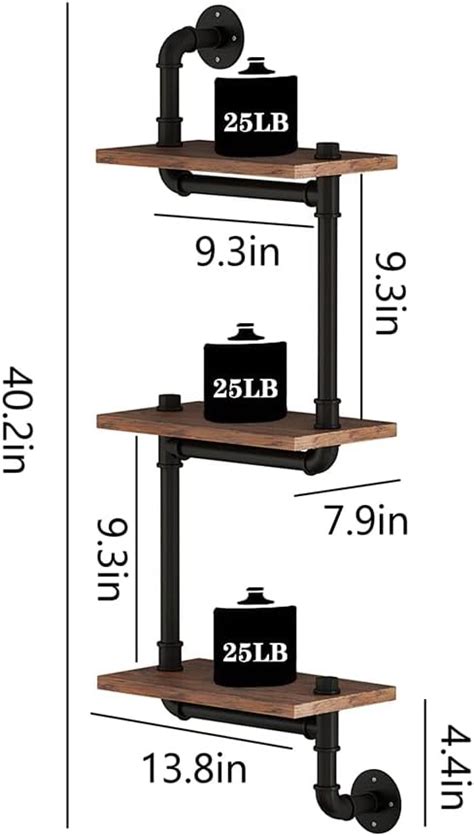
Industrial decor remains a staple in American interior design, combining raw steel elements with warm, stained lumber. To build a classic multi-tier rustic pipe shelf, you will need black iron pipes and flanges sourced from a local hardware supplier, alongside thick pine or oak boards cut to your desired length. Sanding the wood thoroughly and applying a rich provincial or walnut stain highlights the natural grain, creating a striking contrast against the dark metallic hardware.
When mounting heavy industrial units, screwing directly into wooden wall studs is essential for structural integrity. If your layout forces you to place a bracket where a stud is absent, heavy-duty toggle bolts designed for US drywall provide a dependable alternative, provided you respect the manufacturer’s maximum weight ratings. Always use a reliable electronic stud finder before drilling your pilot holes to ensure your investment stays firmly fastened to the wall.
Renter-Friendly Floating Ledges and Minimal-Damage Solutions
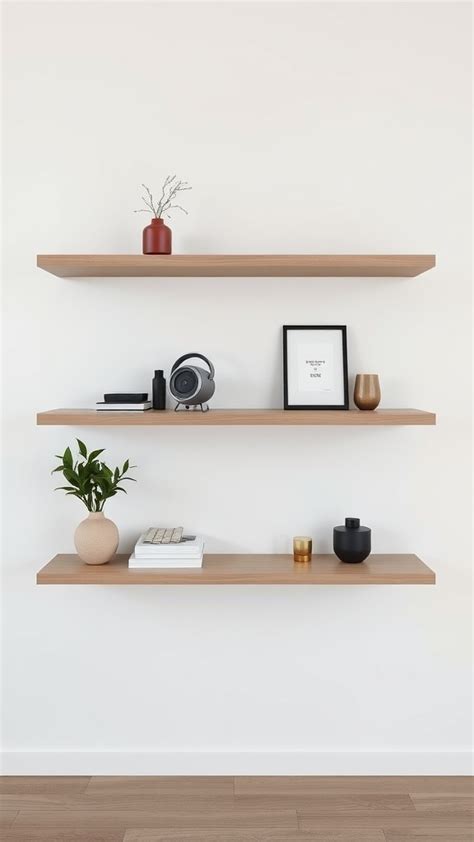
Renters often struggle to find stylish storage options because traditional shelving leaves large anchor holes that risk security deposits. Fortunately, lightweight picture ledges and adhesive-backed display strips offer clever workarounds for temporary spaces. Using lightweight whitewood boards and minimal-profile mounting brackets reduces wall damage, requiring only small patch kits upon moving out.
Another ingenious renter strategy involves leaning tall, custom-built ladder shelves against the wall rather than hanging them permanently. These freestanding units provide ample room for trailing houseplants, framed art, and storage baskets without piercing a single piece of drywall. You can secure the top of the ladder shelf to the baseboard using removable mounting putty or discreet earthquake straps for added stability.
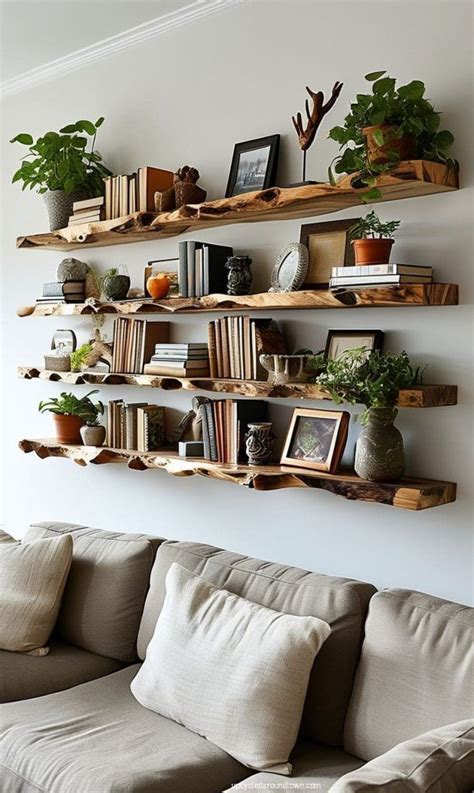
Upcycled and Repurposed Materials for Creative Spaces
Creative shelving does not always require purchasing fresh lumber from a big-box store; many charming projects rely on repurposed items found at flea markets or local thrift shops. Vintage wooden crates, old skateboards, and salvaged architectural corbels can all be repurposed into unique statement pieces for home offices, entryways, or children’s bedrooms. Cleaning, sealing, and securely fastening these unconventional items infuses character and history into your interior layout.
For instance, turning wooden wine crates on their side and mounting them in a honeycomb pattern creates dynamic geometric storage with built-in cubbies. When arranging these asymmetrical designs on the wall, use a laser level to keep your spacing uniform while playing with open and closed compartments. This approach delivers high visual impact on a modest budget while keeping materials out of local landfills.
Frequently Asked Questions
What are the easiest DIY shelves for beginners?
Simple floating pine boards mounted on pre-fabricated concealed brackets or basic wooden wall ledges are ideal starter projects that require minimal cuts and straightforward hardware installation.
How do I hang heavy shelves securely in drywall?
To support significant weight, always anchor at least one side of the shelf directly into a wooden wall stud. For unsupported spans, use heavy-duty toggle bolts rated for drywall instead of standard plastic anchors.
What tools are essential for basic shelving projects?
A reliable cordless drill, an electronic stud finder, a spirit level, safety glasses, sandpaper, and a measuring tape form the essential toolkit for almost any wall-mounted shelving installation.


