Designing a compact apartment living room requires a careful balance between aesthetic restraint and everyday practicality. In many modern U.S. urban apartments and rental homes, floor space is at a premium, yet the living area must serve multiple roles—from a quiet morning workspace to an evening entertainment hub. Embracing a minimalist approach helps eliminate visual noise, allowing natural light to bounce around the room and making tight quarters feel surprisingly expansive and serene.
Achieving this balance goes beyond simply throwing away possessions; it is about intentional curation. By focusing on low-profile furniture, continuous color palettes, clever vertical storage, and tactile textures, you can create a refined environment that feels warm rather than clinical. The following curated collection of 60 minimalist design strategies is specifically adapted to the structural realities of American apartments, addressing common constraints like narrow layouts, rental limitations, and standard boxy proportions.
Foundation and Layout Strategies for Compact U.S. Apartments
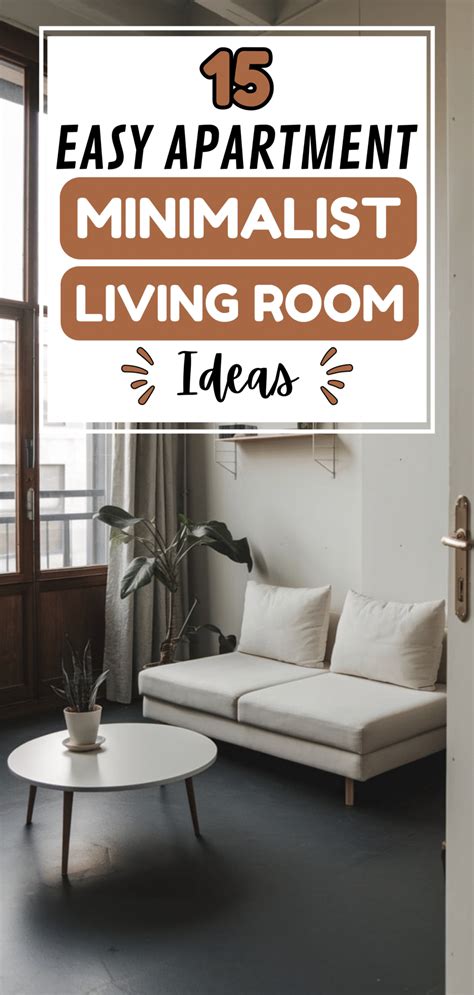
The layout of a small apartment living room dictates how spacious the area ultimately feels. When square footage is limited, every inch must be accounted for without crowding the central walking paths. Strategic placement of foundational pieces establishes a breathable framework, ensuring the room remains functional and visually balanced.
Standard American apartment living rooms often feature open-concept entryways or narrow rectangular footprints that challenge traditional furniture arrangements. Implementing thoughtful zoning techniques keeps the space organized and prevents clutter from accumulating in corners. Consider these initial spatial strategies to set the tone for a streamlined minimalist environment:
- Float your furniture: Pulling a compact sofa slightly away from the walls creates a subtle illusion of depth and openness, preventing the room from feeling boxed in.
- Prioritize low-profile silhouettes: Choose sofas and media consoles with low backs to preserve uninterrupted lines of sight across the entire apartment.
- Define zones with a neutral area rug: Anchor your primary seating arrangement on a light, textured wool or jute rug to visually separate the living zone from adjacent dining or entry areas.
- Embrace negative space: Intentionally leave at least one wall completely bare to give the eye a place to rest and enhance the sense of architectural airiness.
- Keep pathways completely clear: Ensure that walking routes from the front door or kitchen to the window remain entirely unobstructed by bulky accent chairs or tables.
- Utilize corner dead space: Place a slender, minimalist floor lamp in an awkward corner rather than filling it with decorative clutter.
- Opt for leggy furniture: Sofas, coffee tables, and credenzas with exposed legs allow light to pass underneath, making the floor area look larger and continuous.
- Mirror natural light sources: Position a large, frameless mirror opposite your primary window to double the perceived daylight in urban apartments with limited exposures.
- Keep window treatments sheer: Swap heavy, opaque drapes for lightweight linen or cotton panels that filter sunlight softly without overwhelming the wall space.
- Scale down accent tables: Swap a heavy traditional coffee table for nesting tables that can be pulled apart when needed and tucked away afterward.
- Limit oversized statement pieces: Restrict your layout to one hero furniture item—such as a streamlined sofa—and keep all supporting items visually lightweight.
- Align furniture with architectural lines: Parallel arrangements parallel to the longest walls maximize usable walking space in narrow Chicago-style or New York-style long living rooms.
Multifunctional and Space-Saving Furniture Essentials
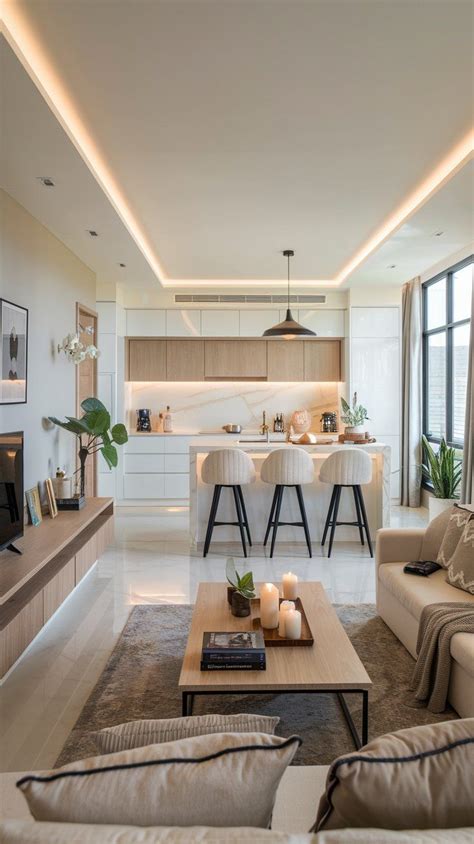
In compact U.S. living spaces, every single furniture item should ideally perform double duty. Minimalist design does not mean sacrificing comfort; rather, it demands smarter engineering. Selecting pieces with hidden compartments or transformable qualities ensures you maintain a tidy environment without compromising on everyday storage needs.
American renters and homeowners frequently struggle with a lack of dedicated closets in older buildings. Investing in multifunctional furniture bridges this gap discreetly. These pieces maintain clean visual lines while swallowing up extra blankets, electronics, or books out of sight:
- Choose an ottoman with hidden storage: A structured, upholstered ottoman serves as a footrest, extra seating, and a hidden bin for winter throws.
- Install a wall-mounted media ledge: Replace a heavy entertainment center with a floating shelf that holds streaming devices and hides cords cleanly against the drywall.
- Incorporate nesting coffee tables: Use two or three sliding tables that stack neatly together to save floor space during quiet evenings at home.
- Select a sleek sleeper sofa: Perfect for studio apartments or one-bedroom units, a clean-lined pull-out sofa accommodates overnight guests seamlessly.
- Use a drop-leaf console desk: A slim console table against the wall can fold out into a functional workspace during the workday and collapse by evening.
- Invest in storage benches: Place a minimalist wooden bench near the apartment entryway or beneath a window to store seasonal accessories.
- Utilize modular shelving units: As your storage needs shift, modular metal or wood shelving systems adapt easily to different wall configurations.
- Pick lift-top coffee tables: A discreet lift mechanism raises the tabletop to comfortable laptop height, transforming your seating area into a makeshift dining or work station.
- Choose nesting side tables: Small side tables that tuck under the edge of the sofa keep drinks close without cluttering the floor plan.
- Embrace rolling utility carts: A sleek, matte-black or white bar cart can serve as a mobile plant stand or beverage station that rolls away when hosting.
- Hang fold-down wall desks: Ideal for micro-apartments, a wall-mounted fold-down desk disappears entirely when not in use.
- Select accent stools with hollow interiors: Ceramic or metal garden stools can double as extra seats or sculptural side tables.
Monochromatic Palettes and Light Enhancement
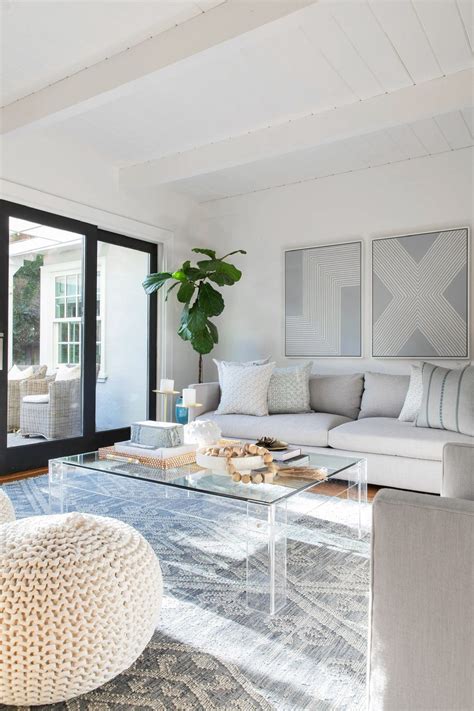
A restricted, harmonious color palette is the hallmark of modern minimalist interior design. By limiting visual contrast, you trick the eye into perceiving a small room as significantly larger and more cohesive. In U.S. apartments where natural light can vary drastically depending on window orientation, mastering tone and reflectivity is essential.
Monochromatic does not have to mean boring; layering whites, soft grays, warm beiges, and muted earth tones creates subtle depth. Lighting fixtures also play a dual role as sculptural art pieces and functional illuminators that banish dark, cramped shadows:
- Paint walls in a warm white: Select a soft, light-reflecting white with warm undertones to counteract the often sterile look of stark brilliant whites under fluorescent or LED lighting.
- Create tonal layering: Mix different textures within the same color family—such as boucle, linen, and brushed concrete—to add richness without relying on loud colors.
- Install dimmable overhead lighting: Swap harsh standard ceiling fixtures for warm, dimmable flush mounts or minimalist track lighting to control the apartment mood.
- Use plug-in wall sconces: Renters can easily mount sleek plug-in sconces beside the sofa to free up surface space on side tables.
- Incorporate warm LED strip lighting: Place subtle backlighting behind your media console or floating shelves for a soft, ambient glow that expands visual boundaries.
- Paint baseboards the same color as walls: Monochromatic trim erases visual boundaries, making walls feel taller and room dimensions more expansive.
- Choose matte finishes for walls: Matte paint absorbs harsh glare, creating a soft, velvety backdrop that enhances the calm minimalist aesthetic.
- Reflect light with polished concrete or light wood floors: If you are renovating or selecting apartment flooring, light oak or polished finishes amplify every ray of incoming sunlight.
- Hang oversized minimalist art with light frames: Large-scale artwork with simple natural wood or white frames keeps walls feeling uncluttered yet sophisticated.
- Use monochromatic window treatments: Match your curtain color directly to your wall paint to blur the transition between windows and solid walls.
- Incorporate translucent acrylic furniture: A clear acrylic ghost chair or coffee table practically vanishes into the room, reducing visual weight completely.
- Keep metal finishes cohesive: Stick to one primary metal finish—such as brushed nickel, matte black, or brushed brass—across all hardware and light fixtures.
Vertical Storage and Architectural Minimalism
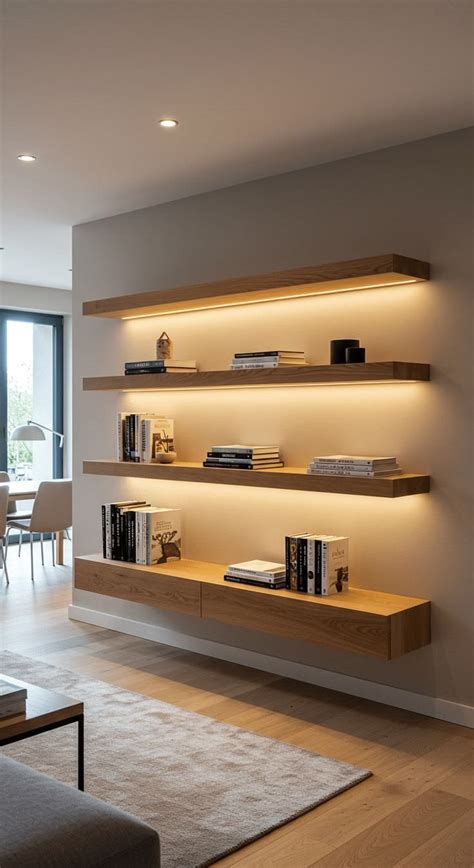
When floor space reaches its absolute limit in an apartment, the only direction left to look is upward. Vertical storage transforms blank walls into functional design elements, keeping clutter off the floor and drawing the eye toward high ceilings. This technique is especially useful in older American buildings featuring distinctive architectural quirks.
Proper vertical styling requires restraint; avoid filling every square inch of wall space from baseboard to ceiling. Instead, use strategic vertical lines to celebrate room height while maintaining clean, breathing space:
- Install floating wall shelves: Mount sturdy wooden floating shelves in vertical columns to display a curated selection of books and ceramics.
- Hang tall, slender bookcases: Tall shelving units that reach close to the ceiling draw the eye upward and maximize storage capacity in small footprints.
- Use vertical slat wall panels: Add a subtle wood-slat accent wall behind your TV or sofa to introduce architectural texture without adding physical bulk.
- Utilize over-the-door hanging systems: For rental apartments with limited closets, sleek over-the-door hooks keep robes or bags tidy and hidden from the living area.
- Mount your television cleanly: Securing the TV directly to the wall eliminates the need for an oversized media credenza, freeing up valuable floor space.
- Display tall, branching botanicals: Place a tall fiddle-leaf fig or olive tree in a minimalist ceramic pot to draw the eye upward with organic shapes.
- Hang long vertical mirrors: Full-length mirrors leaned against a wall create a striking focal point while bouncing natural light deeper into the apartment.
- Use magnetic knife strips or tool rails creatively: Adapt wall-mounted rails for hanging small decorative items, keys, or lightweight organizers near apartment entry points.
- Incorporate recessed wall niches: If permitted in your lease or home renovation, shallow wall niches replace bulky protruding bookshelves entirely.
- Keep curtain rods mounted high: Hang your curtain rods just a few inches below the ceiling line to make standard apartment windows appear remarkably tall.
- Choose vertical art formats: Opt for vertical landscape photography or abstract canvases that emphasize room height over horizontal width.
- Install floor-to-ceiling tension poles: Tension-mounted shelving units require no drilling, offering renters versatile vertical storage that installs in minutes.
Textiles, Warmth, and Rental-Friendly Details
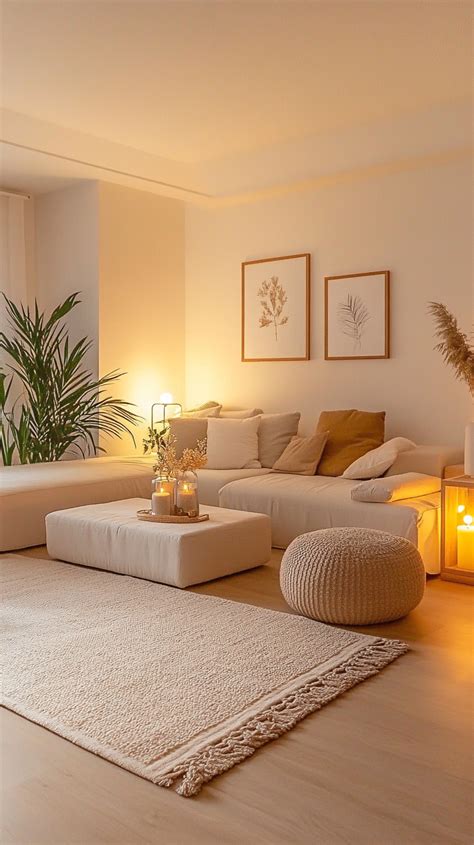
One common critique of minimalism is that it can occasionally feel cold, stark, or unwelcoming. The secret to a cozy minimalist living room lies entirely in tactile textiles and organic materials. By introducing plush rugs, woven throws, unpolished ceramics, and living greenery, you inject warmth and personality without introducing visual clutter.
For apartment renters navigating strict lease agreements, achieving this curated look requires non-permanent upgrades that can be easily removed when moving out. These thoughtful touches bridge the gap between high-end architectural minimalism and a comfortable, lived-in home:
- Layer textured throw blankets: Drape a heavyweight waffle-knit or chunky wool throw casually over the arm of your sofa to invite tactile warmth.
- Use slipcovers in neutral linen: Refresh an older or handed-down sofa with a crisp, tailored, washable linen slipcover for an instant minimalist upgrade.
- Incorporate organic ceramic vases: Style your coffee table with a single, handcrafted terracotta or matte ceramic vase featuring subtle imperfections.
- Swap standard light switch plates: Replace builder-grade plastic outlet covers with sleek matte black or brushed brass alternatives using a simple screwdriver.
- Upgrade cabinet hardware easily: If your rental features dated media console pulls, swap them for minimalist T-bar pulls and save the originals for move-out day.
- Add a plush, high-pile rug: A thick, undyed wool Berber rug adds instant acoustic softness and physical comfort underfoot on hard apartment floors.
- Use peel-and-stick accent wallpaper: Apply a subtle, textured lime-wash or micro-cement effect wallpaper to a single accent wall as a removable rental upgrade.
- Incorporate sculptural branch cuttings: Skip the expensive floral arrangements and style a heavy glass vase with a few sculptural, minimalist dried eucalyptus or manzanita branches.
- Choose solid wood accent pieces: Introduce raw white oak or walnut cutting boards, bowls, or side stools to bring organic warmth into a monochromatic room.
- Hang art with heavy-duty command strips: Protect your rental security deposit by using rated adhesive strips instead of drilling heavy drywall anchors for light frames.
- Introduce low-maintenance greenery: Snake plants, ZZ plants, or pothos in clean white planters add vibrant life without demanding excessive care or cluttered plant stands.
- Keep decorative objects grouped in odd numbers: Style shelves and coffee tables using threes or fives to maintain a balanced, visually pleasing composition.
- Prioritize acoustic comfort: Soft textiles, upholstered seating, and area rugs absorb echo in hard-surfaced apartment buildings, creating a quiet, peaceful sanctuary from busy city streets.
Frequently Asked Questions
How can I make a small apartment living room look bigger using minimalist design?
To maximize perceived space in a compact apartment living room, focus on reducing visual clutter and enhancing light reflectivity. Opt for low-profile furniture with exposed legs to let light pass underneath, paint walls in warm, light-reflecting whites, and keep floor pathways entirely clear. Hanging full-length mirrors and using sheer window treatments also dramatically amplify natural daylight and create an illusion of expansive depth.
What furniture works best in a narrow or compact U.S. apartment living room?
Multifunctional and modular furniture pieces are essential for narrow American apartment layouts. Look for lift-top coffee tables, nesting side tables, ottomans with hidden interior storage, and slender media ledges mounted directly to the wall. Choosing sleek, leggy silhouettes prevents the room from feeling blocked off or overcrowded.
How do I achieve a minimalist look without making my living room feel cold or sterile?
You can prevent a minimalist space from feeling clinical by focusing heavily on tactile textures and organic materials. Layer woven wool or boucle throw blankets, add thick wool area rugs, and incorporate raw wood accents, handcrafted ceramics, and living greenery. Mixing different tones within a warm neutral color palette adds cozy depth without creating visual clutter.
What are rental-friendly ways to decorate a modern minimalist living room?
Renters can easily achieve a sophisticated minimalist aesthetic through non-permanent upgrades. Use heavy-duty adhesive strips for lightweight art frames, swap out builder-grade cabinet pulls and light switch plates (saving the originals for move-out day), and use plug-in wall sconces instead of hardwired lighting. Additionally, peel-and-stick wallpaper and freestanding modular tension shelving offer maximum style with zero permanent wall damage.


