Creating a cozy living room atmosphere is rarely about executing a massive architectural overhaul or investing in a complete furniture replacement. Instead, achieving that deeply inviting feeling comes down to thoughtful layering, strategic lighting choices, and soft textures that make a space feel personal and lived-in. Whether you are settling into a sunlit coastal apartment, a spacious suburban ranch house, or a compact urban loft, cultivating warmth requires balancing functionality with sensory comfort. Homeowners and renters alike often face challenges like stark overhead lighting, cavernous floor plans, or sterile white rental walls that resist traditional decorating attempts.
By breaking down your living space into manageable sensory layers—ranging from warm illumination and tactile fabrics to intimate furniture layouts and subtle fragrances—you can systematically eliminate cold corners. The following thirty practical strategies are designed to fit various architectural layouts and seasonal transitions across the United States. These approachable ideas require minimal tools, respect rental agreements, and deliver immediate visual and physical comfort to your daily routine.
Transforming Ambiance Through Layered Lighting
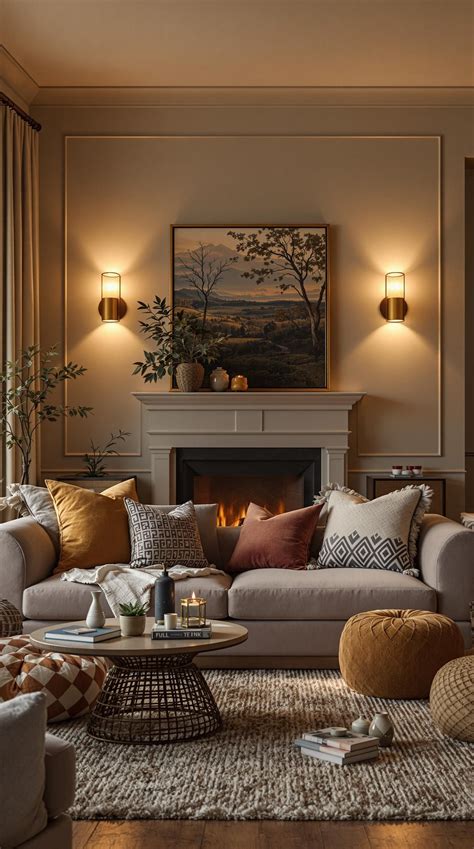
Overhead ceiling fixtures often flood American living rooms with harsh, clinical light that flattens out architectural details and makes gathering feel uncomfortably exposed. Shifting toward a multi-tiered lighting strategy instantly alters the mood of the room, replacing industrial glare with an intimate, golden glow. By incorporating light sources at different heights—such as floor lamps, table lamps, and accent lighting—you can create cozy pools of illumination that draw the eye inward and soften sharp room corners.
1. Swap standard bulbs for warm white LEDs: Look for bulbs rated between 2,200K and 2,700K to mimic the golden, comforting glow of traditional incandescent light.
2. Introduce dimmers on main switches: Installing plug-in dimmer cords or swapping standard wall switches gives you instant control over the room’s brightness depending on the time of day.
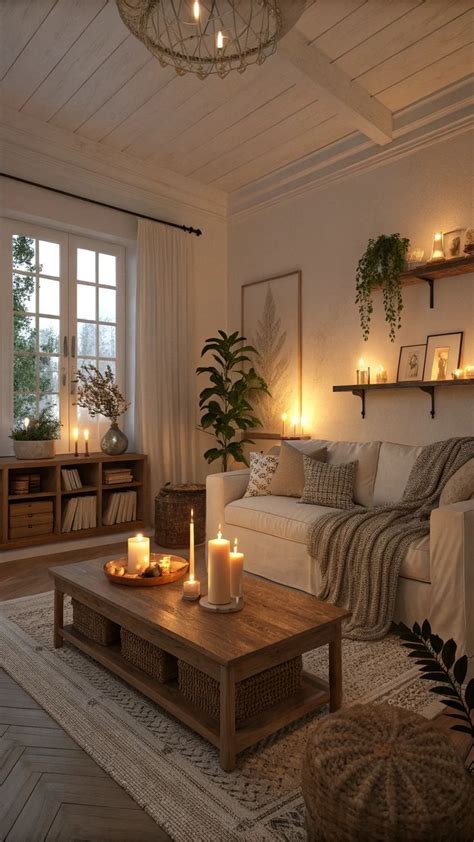
3. Cluster pillar candles on coffee tables: Unscented or gently scented wax pillars grouped in mismatched heights create organic, flickering focal points during evening hours.
4. Use wall sconces without hardwiring: Modern battery-operated or rechargeable puck-light wall sconces provide architectural warmth and task lighting without requiring rental-risky electrical work.
5. Place a low-slung floor lamp in an empty corner: Directing a warm light source downward behind a reading chair or sofa transforms an underutilized dead zone into a cozy retreat.
Adding Depth with Textiles, Throws, and Pillows
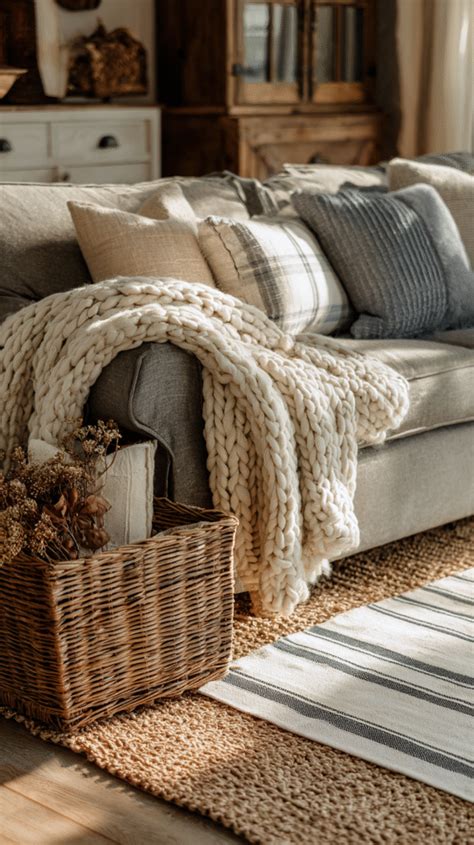
Fabric choices act as the primary tactile anchor in any living room, determining how soft, welcoming, and grounded the space feels to the touch. Rooms dominated by leather, glass, and smooth drywall often feel chilly until balanced with woven blankets, plush cushions, and substantial floor coverings. Layering different weights of fabric prevents a room from looking flat, inviting family members and guests to curl up and linger longer.
6. Layer a vintage or textured rug over wall-to-wall carpet: Placing a smaller, patterned flatweave or faux-hide rug over neutral rental carpet adds instant color, pattern, and tactile contrast.
7. Mix linen, wool, and velvet pillow covers: Combining contrasting textures within a similar color family creates visual richness without making your seating arrangement look chaotic or overly busy.
8. Drape a chunky knit blanket across the sofa back: A heavy, visible weave introduces organic geometry and offers immediate warmth during colder winter evenings.
9. Hang floor-length linen or velvet curtains: Mounting curtain rods close to the ceiling line rather than the window frame elongates the wall and softens hard window edges.
10. Incorporate a plush faux-fur accent stool: Small movable seating pieces add soft surface areas while serving as practical footrests or extra seating when hosting guests.
Grounding the Space with Natural Elements and Greenery
Bringing organic elements indoors immediately softens manufactured building materials like drywall, metal, and synthetic flooring. Nature introduces an effortless asymmetry and life that cannot be replicated by manufactured decor. Whether through potted plants, raw wood accents, or natural stone, these living touches ground the room and foster a serene, restorative environment.
11. Style a hardy indoor tree in an empty corner: A fiddle-leaf fig, snake plant, or tall palm in a heavy ceramic pot draws the eye upward and fills vertical space naturally.
12. Display collected branches in a heavy ceramic vase: Foraging for bare branches during autumn or flowering branches in spring brings sculptural, cost-free art into your living area.
13. Incorporate raw wood furniture or accent trays: Unfinished or reclaimed coffee tables, side tables, and wooden bowls showcase natural grain patterns that warm up neutral rooms.
14. Add woven rattan or seagrass storage baskets: These functional organizers hide unsightly electronics and toys while introducing earthy tones and tactile warmth.
15. Set out natural stone coasters or trays: Travertine, marble, or soapstone accents provide cool, organic textures that balance softer fabrics like wool and cotton.
Arranging Furniture for Intimacy and Conversation

How you position your furniture dictates the social energy of your living room, transforming a sterile showroom into an intimate gathering place. Pushing every sofa and chair directly against the perimeter walls often creates a cold, cavernous center that discourages genuine conversation. Pulling seating inward and creating structured conversation zones makes expansive rooms feel cozy and connected.
16. Float your sofa away from the wall: Leaving a small walkway behind your main seating arrangement instantly makes a living room feel more custom-designed and intentional.
17. Create an opposing seating layout: Face two comfortable armchairs directly across from a smaller sofa instead of pointing all seats strictly toward the television.
18. Anchor conversational groupings with a properly sized rug: Ensure all primary furniture legs rest comfortably on your area rug to unify the seating zone visually.
19. Angle an accent chair into a conversational corner: Tilting a chair slightly inward rather than parallel to the wall fosters a welcoming, inclusive atmosphere.
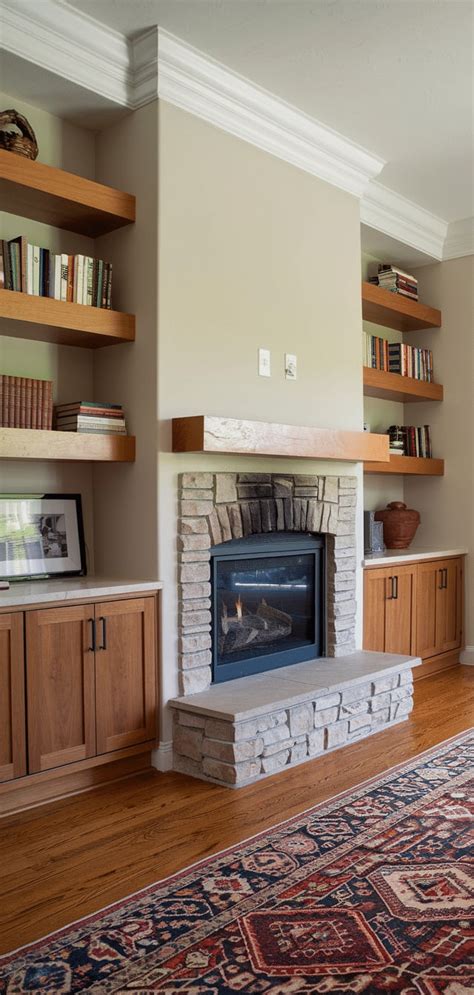
20. Use a low bookshelf as a room divider: In open-concept U.S. homes, a low console or bookcase helps define the living room boundary without blocking natural light.
Engaging the Senses Through Sound, Scent, and Details
True coziness extends far beyond visual aesthetics; it engages the senses of smell, hearing, and touch to create a holistic sense of well-being. A room that smells inviting and feels balanced acoustically welcomes you the moment you cross the threshold. These subtle finishing touches turn a house into a comforting personal haven.
21. Diffuse grounding essential oils like cedarwood or amber: Scents with woody, spicy, or warm vanilla undertones instantly signal relaxation and comfort to the brain.
22. Incorporate a soft fabric acoustic wall hanging: Textiles hung on expansive drywall absorb echo and harsh sound reflections in modern, open-plan homes with hard flooring.
23. Keep a basket of soft reading socks nearby: Offering comfortable footwear in a pretty basket near the entryway encourages family and guests to unwind immediately.
24. Display framed personal photography and heirloom art: Surrounding yourself with meaningful, unpretentious memories grounds the space with emotional warmth and personal history.
25. Set up a dedicated tea or coffee station corner: A small tray with mugs, a kettle, and artisanal ingredients makes your living room feel like a hospitable café retreat.
Budget-Friendly Seasonal Updates for Year-Round Comfort
Maintaining a cozy atmosphere throughout the year requires gentle, low-cost adjustments that respond to changing weather patterns and daylight hours. Instead of redecorating entirely every few months, swap out a few seasonal accents to match the mood of the outdoors. These simple tweaks ensure your living room stays comfortable whether facing freezing winter storms or sweltering summer afternoons.
26. Rotate pillow covers with the equinoxes: Swap heavy wool and velvet covers for breezy linen and cotton alternatives when warm weather arrives.
27. Switch heavy winter throws for lightweight cotton quilts: Keep tactile layers functional for the climate so you stay cozy without overheating during transitional months.
28. Display dried botanicals and seed pods in autumn: Transition from fresh summer greens to textured wheat stalks, eucalyptus, or pampas grass as outdoor foliage fades.
29. Incorporate reflective brass or copper accessories: Metallic accents catch and bounce fading winter sunlight around the room during short afternoons.
30. Keep a stack of classic literature on display: Books with textured paper covers and worn spines add intellectual warmth and color to coffee tables and bookshelves effortlessly.
Frequently Asked Questions
How can I make a large living room feel cozy instead of cavernous?
To combat a large or open-concept living room that feels cold and cavernous, float your furniture away from the perimeter walls to create an intimate conversation cluster. Anchor this grouping with a generously sized area rug that fits all primary furniture legs. Additionally, use vertical elements like tall indoor trees, floor-to-ceiling drapery, and multi-tiered lighting to draw the eye downward and fill empty vertical space with warmth.
What are quick ways to add warmth to a rental living room without painting?
Renters can dramatically warm up a sterile living room without touching the paint by focusing on textiles and lighting. Layer a colorful or patterned area rug over neutral rental carpet, hang floor-length curtains using damage-free mounting or tension rods, and introduce plush velvet or chunky knit throw blankets. Swapping stark overhead lighting for warm LED table lamps and plug-in wall sconces also instantly eliminates cold rental glare.
How do I layer textures effectively without making the room look cluttered?
Effective texture layering relies on sticking to a cohesive color palette while mixing diverse tactile surfaces. Combine smooth materials like leather or glass with rough-hewn wood, woven baskets, and soft textiles like linen, wool, and velvet. By keeping the colors harmonious—such as earth tones, creams, and muted naturals—you can mix various fabric weights and natural finishes without creating visual clutter.