When designing a living space that balances rugged character with enduring elegance, few anchor pieces rival a well-chosen leather couch. Across American homes, from suburban split-levels to urban loft conversions, leather furniture introduces an unmatched depth of texture and warmth. Creating a truly timeless, rustic living room requires looking beyond basic furniture selection to understand how different silhouettes, leather finishes, and complementary natural materials interact within your daily life.
Bringing together 31 distinct leather couch design concepts helps map out a clear path for your interior layout. Whether you prefer the buttery-soft feel of distressed pull-up leather or the structured tailoring of a classic mid-century frame, thoughtful design choices ensure your seating area remains inviting, durable, and stylistically relevant for decades to come.
Understanding Leather Types and Finishes for Rustic Interiors
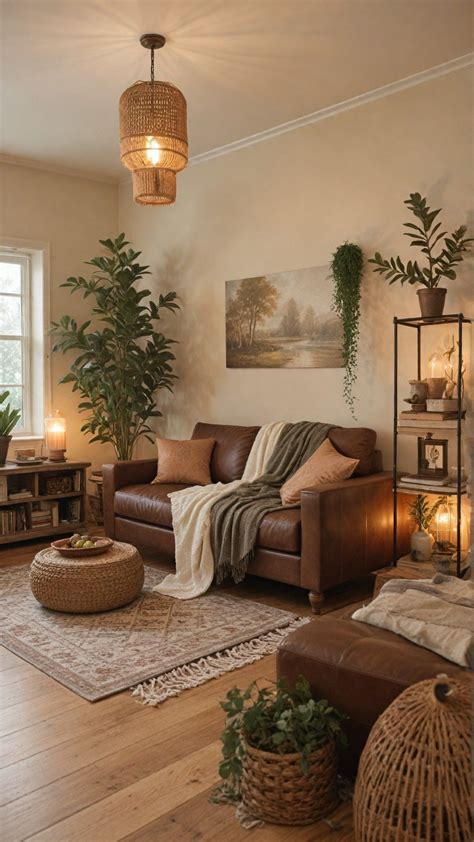
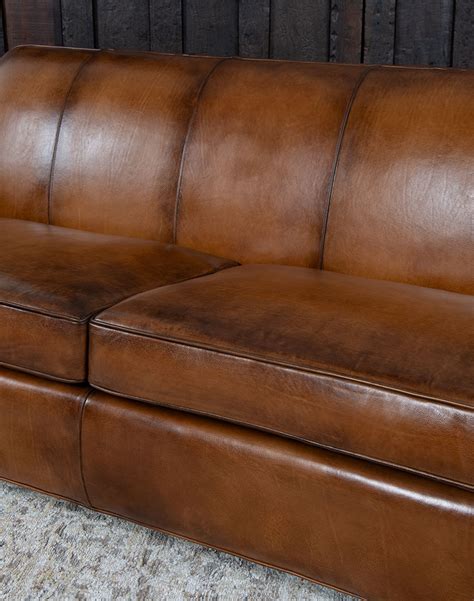
The foundation of any successful rustic living room design begins with the specific hide and finish you select. Full-grain and top-grain leathers showcase natural markings, grain variations, and subtle imperfections that tell a visual story. Rather than appearing flawed, these natural characteristics enhance the organic feel of a rustic space, ensuring that your sofa develops a rich, personalized patina over time.
Pull-up leather, treated with oils and waxes, lightens when stretched or compressed, giving it an instant lived-in appeal that complements weathered wood and wrought iron accents. Corrected-grain leathers, on the other hand, offer uniform coloration and greater resistance to everyday spills, making them a practical consideration for busy households with children or pets.
Color Variations: From Distressed Cognac to Deep Espresso
Color sets the emotional temperature of your living room. Distressed cognac and caramel leather tones reflect warm sunlight, making smaller living rooms feel cozy and expansive simultaneously. These lighter brown hues work exceptionally well against cream or soft beige walls, anchoring the room without overwhelming it.
Conversely, deep chocolate and espresso leather couches bring a grounding, dramatic gravity to larger open-concept American spaces. When paired with charcoal stone fireplaces or dark timber ceiling beams, dark leather creates an intimate, cabin-inspired atmosphere that feels sophisticated rather than heavy.
Curating 31 Distinct Leather Couch Design Concepts
To help you visualize the ultimate rustic living room, our curation of 31 design concepts explores varied silhouettes and styling frameworks. These ideas blend traditional craftsmanship with modern comfort to suit diverse room layouts and lifestyle needs.
Classic Chesterfield Silhouettes
1. The Deep-Tufted Heritage Chesterfield in antique brown leather adds traditional English character to a rustic room.
2. A Low-Profile Camelback Chesterfield featuring distressed cognac hide merges formal button tufting with casual warmth.
3. An Oversized Sectional Chesterfield in weathered saddle leather offers expansive seating for large family gatherings.
4. A Compact Two-Seater Chesterfield in chestnut leather brings classic grandeur to smaller urban apartments.
5. A Modern Rustic Hybrid Chesterfield with sleek wooden block feet instead of traditional casters updates the classic silhouette.
Streamlined Mid-Century and Modern Rustic Frameworks
6. An Exposed Walnut-Frame Sofa with smooth caramel leather cushions highlights clean carpentry.
7. A Slender Arm-Design Leather Couch in butterscotch hue maximizes floor space in narrow urban living rooms.
8. A Minimalist T-Cushion Sofa in raw umber leather bridges industrial loft aesthetics with warm rustic charm.
9. A Cantilever Metal-Base Leather Sofa paired with reclaimed wood tables creates a balanced urban-rustic look.
10. A Track-Arm Leather Couch in weathered tan leather offers crisp, geometric lines that ground eclectic decor.
Rugged Cabin and Traditional American Designs
11. A Nailhead-Trimmed Rolled-Arm Sofa in dark oxblood leather channels timeless lodge style.
12. A Deep-Seated Down-Filled Leather Lounge Couch in distressed saddle brown prioritizes supreme relaxation.
13. A Southwest-Inspired Leather Sofa paired with geometric wool kilim cushions highlights regional American texture.
14. A Rounded Barrel-Back Leather Couch creates an intimate conversation circle around a stone hearth.
15. A Heavy Timber-Accented Leather Sofa featuring exposed log framing celebrates classic mountain architecture.
Modular and Sectional Configurations for Family Living
16. An L-Shaped Distressed Leather Sectional configured to define an open-plan living and dining area.
17. A U-Shaped Modular Leather Couch in chocolate brown designed for ultimate movie nights.
18. A Reversible Chaise Leather Sectional in butter-soft tan offers flexible layout options for shifting room dimensions.
19. A Low-Slung Modular Leather Pit Sofa that invites relaxed lounging in a casual family room.
20. A Two-Piece Sectional with Square Track Arms in antique brass-toned leather combines structure with comfort.
Vintage, Reimagined, and Eclectic Styles
21. A Reclaimed Leather Patchwork Sofa that celebrates sustainable design through artful hide piecing.
22. A Tufted Back Settee in faded tobacco leather adds historic charm to a transitional farmhouse living room.
23. A 1970s-Inspired Low-Back Leather Sofa in warm honey tones brings retro flair to rustic spaces.
24. An Executive-Inspired Leather Sofa featuring rich brass studwork and dark mahogany feet.
25. A Distressed Cigar-Brown Leather Couch layered with faux-shearling throws for tactile contrast.
Compact and Apartment-Scale Rustic Leather Seating
26. A Petite Lawson-Style Leather Sofa in warm sienna designed for cozy cottage living rooms.
27. A Multifunctional Leather Sleeper Sofa in weathered chestnut combining guest accommodation with rustic style.
28. A Streamlined Apartment-Sized Tuxedo Sofa in camel leather that maintains clear sightlines.
29. A Tailored Leather Settee with tapered oak legs fitting neatly into multi-use studio spaces.
30. A Curved Back Leather Loveseat that softens the linear architecture of modern suburban homes.
31. A Minimalist Bench-Seat Leather Couch in rustic cognac that champions understated elegance.
Pairing Leather with Rustic Textures and Natural Materials
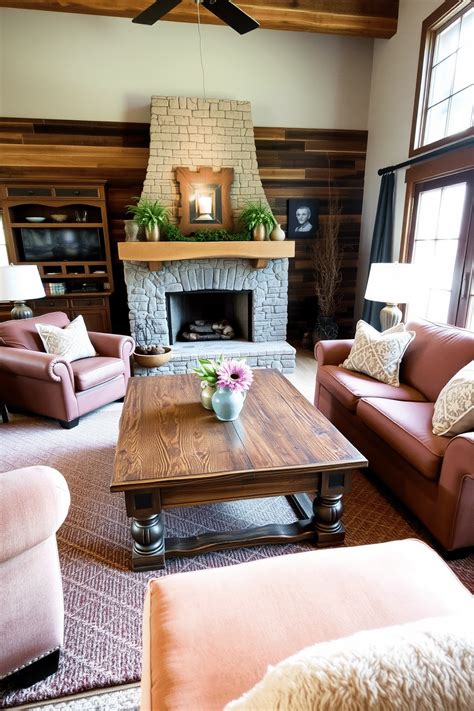
A leather couch should never exist in isolation; its tactile appeal multiplies when paired with complementary natural textures. Reclaimed wood coffee tables, hand-knotted wool rugs, and wrought-iron light fixtures establish a balanced ecosystem of materials. Incorporating rough-hewn stone around a fireplace echoes the organic origin of leather, grounding the entire room in earthy stability.
Textiles play an equally crucial role in softening the smooth, structured surface of leather furniture. Layering chunky knit wool blankets, linen throw pillows, and vintage plaid patterns across your couch introduces warmth and tactile variety. This interplay between sleek hide and rustic fabrics ensures your living room feels curated, lived-in, and deeply welcoming throughout every season.
Layout and Maintenance Strategies for U.S. Homes
Positioning your leather couch correctly maximizes both traffic flow and aesthetic impact. In traditional U.S. suburban homes, floating the sofa away from the walls with a rustic console table behind it creates an intentional, designer-level layout. Ensure adequate clearance for walkways, particularly when incorporating bulky sectionals or heavy wooden coffee tables.
Maintaining leather furniture requires simple, consistent care rather than complicated chemical treatments. Dusting the surface weekly with a dry microfiber cloth prevents abrasive particles from settling into the grain. Conditioning the leather every six to twelve months keeps the hide supple and prevents cracking, especially in homes subject to dry winter heating or intense summer air conditioning.
Frequently Asked Questions
What leather couch colors work best for a rustic living room?
Warm brown tones such as cognac, caramel, saddle brown, and deep espresso naturally harmonize with rustic interiors. These hues complement natural wood, stone fireplaces, and wrought-iron hardware, developing a rich patina over time.
How do I prevent a leather couch from feeling cold in winter?
You can easily add warmth to a leather sofa by layering textured textiles such as chunky knit wool blankets, faux-shearling throws, and woven linen or cotton pillows. These elements introduce soft, tactile contrast against the smooth leather surface.
Is a distressed leather couch durable for families and pets?
Yes, distressed pull-up leathers are exceptionally forgiving because minor scratches and scuffs blend into the natural wear patterns of the hide. Corrected-grain leathers also offer high durability and easier cleanup for busy households.
How often should I condition a leather couch?
For most indoor environments, conditioning your leather couch once or twice a year is sufficient. This routine maintains the natural oils in the hide, keeping the leather soft and preventing cracks caused by seasonal temperature shifts.


