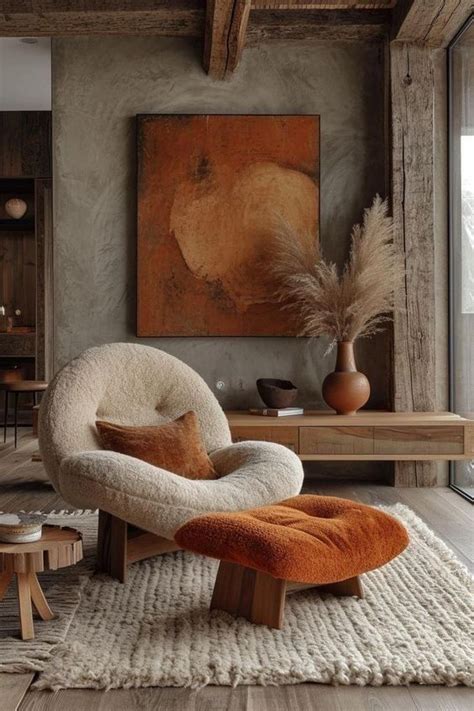
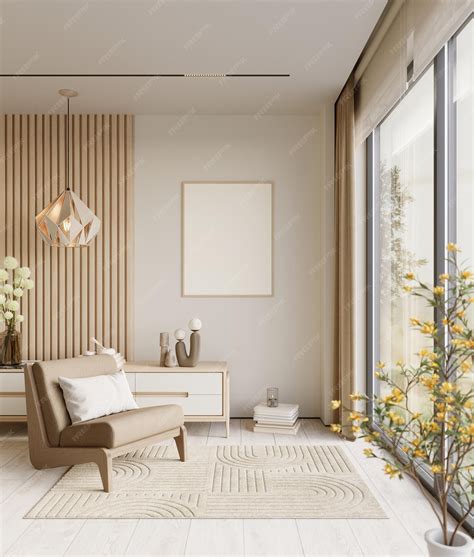
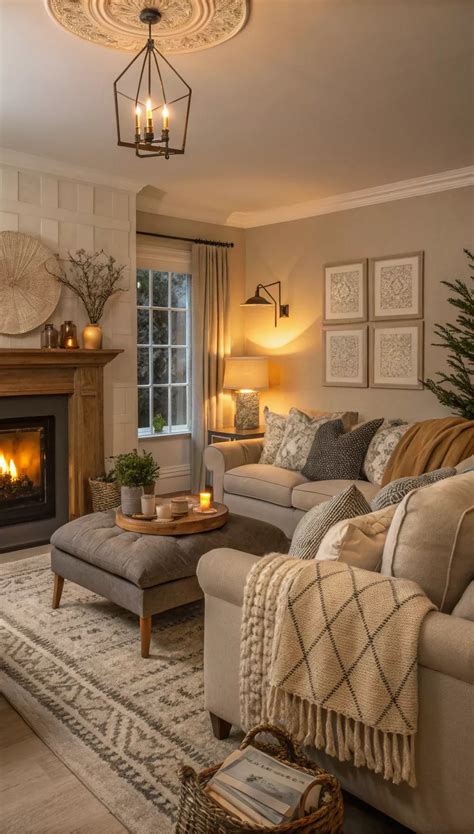
When designing a welcoming gathering space, few anchor pieces offer the enduring character and tactile richness of a well-chosen leather sofa. Across traditional American homes, from historic colonial revivals to modern suburban open-concept builds, leather furniture bridges the gap between rugged durability and refined elegance. Rather than viewing a leather couch as a rigid design constraint, consider it a foundational canvas that grows more handsome with age. Developing an inspired living room around this centerpiece requires balancing its natural warmth with thoughtful color palettes, diverse lighting layers, and contrasting fabrics that soften its visual weight.
Achieving a cohesive look involves looking at your room through the lens of longevity and comfort. Instead of chasing fleeting micro-trends, lean into time-tested design principles that honor the natural patina of top-grain or distressed leather. Whether you are working with a rich cognac sectional, a deep chestnut Chesterfield, or a sleek charcoal modern silhouette, thoughtful styling turns a standard seating arrangement into the beloved heart of the home.
Foundation and Patina: Selecting and Siting Your Leather Sofa
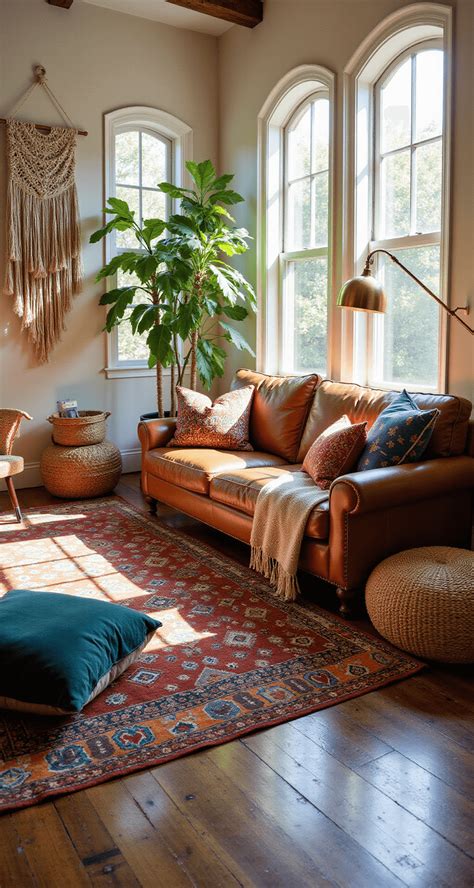
The success of your living room layout starts with understanding how different leather finishes interact with natural light and room proportions. Top-grain leather offers remarkable longevity and develops a soft, buttery sheen over the years, making it an excellent investment for busy family rooms. Distressed finishes hide everyday wear exceptionally well, while aniline leathers display organic markings that lend authentic rustic charm. Consider the daily path of sunlight through your windows, as direct exposure can lighten certain hides over time, enhancing character or requiring strategic placement.
Spatial planning around a large leather piece requires careful consideration of clearance and traffic flow, particularly in traditional American floor plans. In an open-concept layout, floating the sofa away from the walls creates a defined conversation zone, especially when paired with a substantial wool area rug underneath. For smaller suburban living rooms, pushing a streamlined cognac sofa against a neutral wall preserves precious floor space while drawing the eye toward architectural details like crown molding or a brick fireplace hearth.
Balancing Visual Weight with Room Proportions
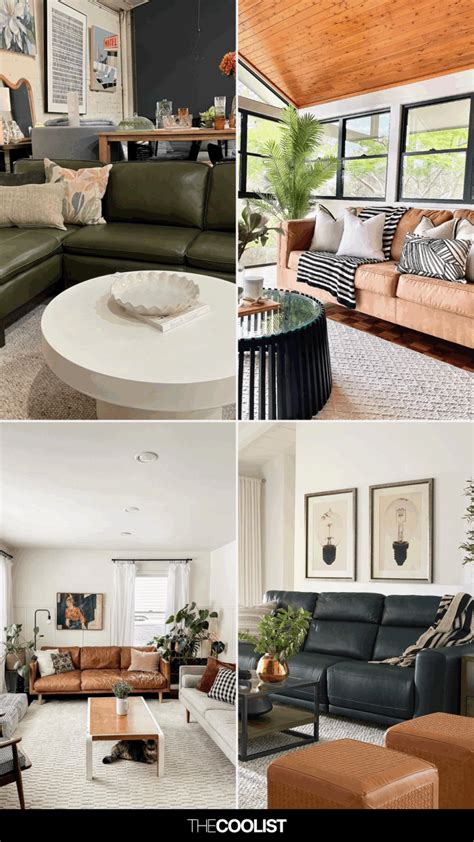
Leather sofas possess a strong visual presence that can easily overwhelm a room if not properly balanced. To counteract this, pair heavy leather upholstery with lighter architectural elements, such as airy floor-to-ceiling linen drapes or open-leg wooden coffee tables that allow light to pass underneath the furniture. This interplay prevents the room from feeling heavy or cramped.
Incorporate vertical elements like tall bookshelves or oversized fiddle-leaf figs to draw the eye upward, shifting focus away from the horizontal mass of the seating. Balancing heavy furniture with vertical breathing room creates a harmonious atmosphere that feels grounded yet open.
Palette Pairings: Wall Colors and Accents for Leather Furniture
Choosing the right backdrop for your leather sofa transforms the entire mood of the interior. Warm, earthy neutrals such as creamy off-whites, soft taupes, and muted clays allow cognac and chestnut leather tones to pop without feeling jarring. If you prefer a more dramatic, moody aesthetic, deep forest greens, navy blues, and charcoal grays wrap the room in cozy sophistication, creating a striking contrast against golden-brown hides.
When selecting accent colors for pillows, throws, and decorative accessories, look to nature for guidance. Muted olive, rust, and indigo blue bridge the gap between warm leather and cooler architectural finishes like brushed nickel or wrought iron. Consistency in your undertones ensures the space feels intentional rather than haphazardly assembled, allowing the natural grain of the leather to remain the star of the room.
Warming Up Cool Gray and Black Leather Finishes
Black or dark charcoal leather sofas often carry a sleek, contemporary reputation, but they can easily be warmed up for traditional American settings. Introduce organic warmth through reclaimed wood side tables, woven jute baskets, and brushed brass lighting fixtures that reflect amber light into the corners of the room.
Layering soft textiles in cream and oatmeal tones directly over dark leather softens its starkness. A heavy cable-knit throw blanket or a collection of velvet lumbar pillows immediately introduces a welcoming domestic comfort.
Layering Textures: Rugs, Woods, and Metals
A leather sofa can occasionally risk feeling cool or overly masculine if it exists in a vacuum of smooth surfaces. The secret to a cozy, layered interior lies in combining contrasting tactile elements. Pair the smooth, cool touch of leather with chunky wool rugs, antique kilims, or plush vintage-wash cotton carpets underfoot. These textiles absorb sound and ground the seating arrangement while adding rich visual depth.
Introduce warmth through secondary furnishings crafted from natural woods like white oak, walnut, or reclaimed pine. A distressed wood coffee table or a pair of Windsor-style accent chairs creates a dialogue between rustic Americana and classic tailoring. Metal accents—ranging from antiqued brass floor lamps to matte black iron hardware—tie the various material layers together, establishing a sophisticated balance of old and new.
Choosing Rug Patterns That Complement Leather
Selecting the right area rug depends heavily on whether your leather sofa is solid or distressed. A distressed vintage-style Persian rug with faded crimson and blue undertones adds instant heritage and softens the modern lines of a tailored leather couch. Conversely, a subtle geometric wool flatweave works wonders if your leather sofa features deep button tufting, keeping the room visually balanced.
Avoid overly loud, high-contrast patterns that compete with the natural texture of the leather hide. Instead, opt for muted motifs that harmonize with your overarching color scheme while providing a soft landing for your feet.
Practical Maintenance and Long-Term Styling
Maintaining the beauty of a leather sofa in a busy household comes down to simple, consistent care routines rather than intensive maintenance. Vacuuming crumbs from the crevices weekly and wiping the surface down with a damp, lint-free cloth prevents dust from settling into the grain. Conditioning the leather once or twice a year keeps the hide supple, preventing cracks and preserving that desirable buttery texture through changing seasonal humidity.
For households with pets or children, choosing protected or semi-aniline leather provides an extra layer of defense against spills and scratches while maintaining a luxurious hand-feel. Embracing natural minor scuffs as part of the sofa’s ongoing story relieves the pressure of perfection, allowing your living room to feel genuinely lived-in, warm, and inviting for years to come.
Frequently Asked Questions
What wall colors go best with a brown or black leather sofa?
Brown leather sofas pair beautifully with warm neutrals like creamy off-white, soft beige, and subtle sage green, as well as dramatic moody tones like navy blue and charcoal. Black leather sofas look striking against crisp gallery whites, warm grays, or rich terracotta hues that add contrast and warmth.
How do I style a leather sofa so it doesn’t look too cold or masculine?
To soften a leather sofa, focus on layering rich textiles such as chunky knit throw blankets, velvet pillows, and woven linen accents. Pairing the sofa with a plush wool or vintage-style patterned rug and warm wood furniture immediately introduces domestic comfort and balance.
What rug patterns pair well with leather living room furniture?
Faded traditional Persian rugs, subtle geometric wool flatweaves, and textured jute or sisal rugs complement leather furniture exceptionally well. The key is choosing patterns with muted, earthy colors that harmonize with the room without competing with the natural grain of the leather.
How can I make a leather sofa feel cozy in a traditional American home?
You can enhance coziness by incorporating ambient lighting with warm-temperature bulbs, arranging soft throw blankets over the cushions, and surrounding the seating area with organic elements like house plants, wooden side tables, and layered family heirlooms.