Your home’s entryway serves as the crucial transition point between the busy outside world and your private sanctuary. When you walk through the front door, having a dedicated surface to drop your keys, sort through mail, and check your appearance before heading back out changes the entire daily routine. Selecting the right piece of furniture requires looking closely at both spatial constraints and aesthetic preferences, balancing visual appeal with genuine day-to-day utility.
While many homeowners default to standard accent furniture, utilizing adaptable console and sofa tables provides unmatched flexibility. These narrow pieces fit neatly against walls without disrupting traffic flow, making them ideal for everything from compact urban apartments to sprawling suburban foyers with open-concept sightlines.
Understanding the Differences: Console Tables vs. Sofa Tables
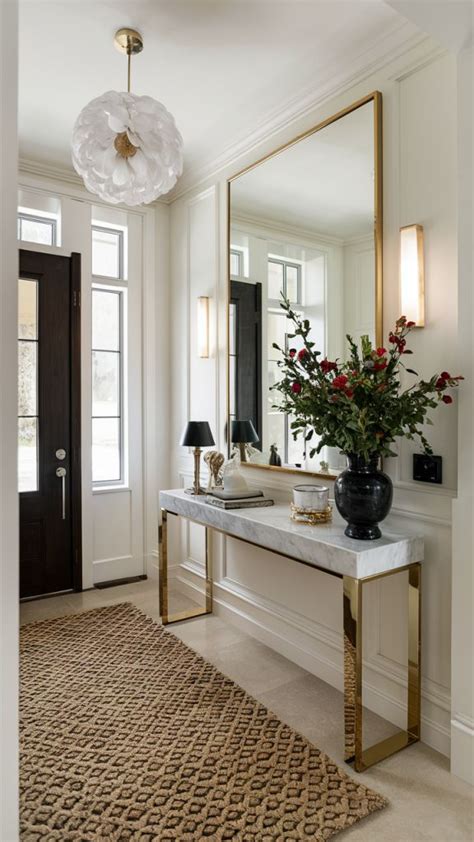
At first glance, console tables and sofa tables look remarkably similar due to their long, narrow profiles. However, understanding their subtle construction distinctions helps you pick the ideal piece for your specific floor plan and functional needs. Console tables are traditionally engineered to stand against a wall, frequently featuring wall-anchoring hardware or even semi-attached legs for stability. Their primary purpose is to anchor hallway decor while offering a slim landing pad for everyday carry items.
Sofa tables, on the other hand, are designed to sit gracefully behind a living room sofa, meaning they are often finished on all four sides since the back may be fully visible in an open-concept layout. When brought into an entryway that opens directly into a living room—a common architectural layout in modern American homes—a finished sofa table serves as a brilliant dual-purpose room divider and drop zone. Choosing a finished piece ensures that no matter viewing angle, the furniture maintains a polished, cohesive appearance from every part of the ground floor.
Sizing and Spatial Planning for US Entryway Layouts
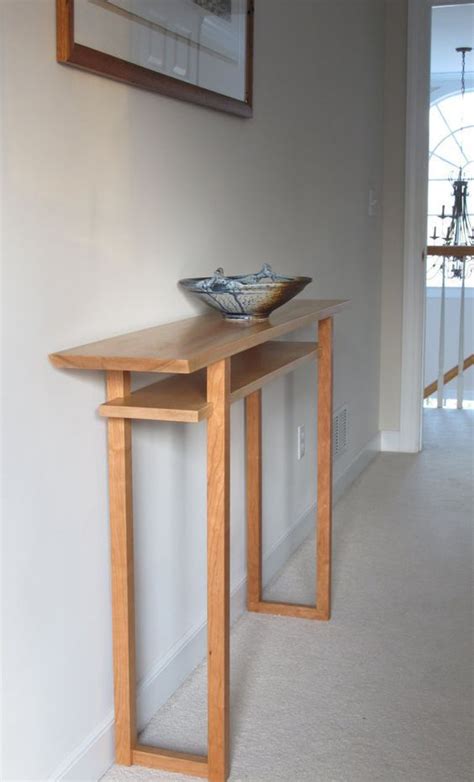
Proper scale is the single most important factor when integrating a new table into your entryway. Before browsing finishes or decorative objects, grab a tape measure and evaluate your available clearance. Standard interior hallways in American homes typically range from 36 to 48 inches wide. To maintain a comfortable walking path and prevent the space from feeling cramped, your entryway table should generally leave at least 30 to 36 inches of clear floor space for foot traffic.
Depth is another critical measurement to consider carefully. Standard console and sofa tables range from 10 to 18 inches deep. If you are working with a narrow apartment corridor, opt for a shallow 10-to-12-inch profile so family members and guests can walk past without bumping shoulders or knocking over tabletop decor. Standard table height usually hovers around 30 to 34 inches, which aligns comfortably with standard doorknobs and makes reaching for dropped keys effortless.
Functional Styling Frameworks for Everyday Living
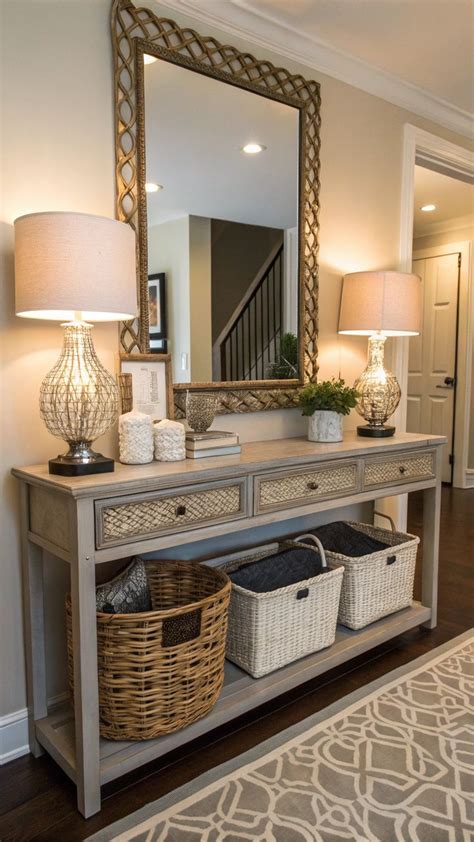
Styling an entryway table successfully requires balancing decorative flair with hard-working organization. Without a deliberate system in place, these narrow surfaces quickly become cluttered drop zones for junk mail and stray receipts. Start by establishing a functional foundation using decorative trays or woven baskets placed directly on the lower shelf or surface. These catch-alls corral wallets, sunglasses, and keys out of sight while maintaining an orderly aesthetic.
Next, apply the classic design principle of varying heights to create visual interest. Anchor one side of the table with a tall element, such as a sculptural table lamp or a framed mirror hung securely on the wall above. Balance the middle ground with a stack of inspiring design books or a small ceramic bowl, and ground the opposite side with a living plant or architectural object. This asymmetrical triangular arrangement draws the eye naturally across the surface, making even the smallest foyer feel thoughtfully curated rather than crowded.
Material Selections and Safety Considerations
The materials you choose should harmonize with your home’s existing architectural trim, flooring, and overall design language. Solid wood consoles finished in warm oak or walnut bring classic warmth to traditional foyers, while sleek metal frames paired with tempered glass or marble tops suit contemporary apartments and industrial lofts. Consider your household lifestyle as well; homes with active pets or toddlers benefit from sturdy hardwood designs with rounded corners rather than fragile glass tops that show fingerprints and demand constant upkeep.
Safety should never be treated as an afterthought, particularly with tall or narrow furniture pieces that can tip easily. Because console and sofa tables have a high center of gravity relative to their shallow depth, always secure the furniture directly to wall studs using anti-tip brackets, especially in earthquake-prone regions or homes with energetic children. Taking this simple preventative step ensures your entryway remains both stunning and secure for everyone who walks through your door.
Frequently Asked Questions
How do I choose between a console table and a sofa table for my entryway?
Console tables are traditionally built to rest flat against a wall and may have unfinished backs, whereas sofa tables are finished on all four sides. If your entryway table will float in an open space or act as a room divider behind a couch, choose a sofa table for a polished look from every angle.
What is the ideal height and depth for an entryway table?
The ideal height is typically between 30 and 34 inches, matching standard table heights and ensuring easy access. For depth, aim for 10 to 14 inches in narrow hallways to preserve walking space, or up to 18 inches if you have a larger, dedicated foyer.
How can I style a narrow entryway without making it look cluttered?
Embrace minimalism by sticking to three or four intentional items: a wall-mounted mirror, a slim table lamp, and a single decorative tray for keys and mail. Utilize lower shelves or enclosed drawers to hide everyday clutter completely out of sight.
Are entryway tables safe for homes with children and pets?
Because narrow tables can tip over easily, it is essential to anchor your console or sofa table securely to the wall studs using anti-tip brackets. Additionally, opt for durable wood or metal materials rather than delicate glass tops.


