When planning a living room layout that bridges aesthetic sophistication with everyday functionality, few furniture investments match the enduring appeal of genuine leather seating. Unlike fabric upholstery that frequently succumbs to shifting micro-trends and shows wear through pilling or permanent staining, a well-crafted leather couch establishes an immediate sense of grounded luxury. It serves as the visual anchor of a room, bridging the gap between historical architectural details and contemporary American interior design preferences.
Achieving this level of enduring style requires looking beyond glossy showroom displays to understand how different materials, color profiles, and construction methods behave over decades of real-world use. Whether you are outfitting a sunlit suburban great room in the sunbelt or a compact urban apartment facing changing seasonal temperatures, selecting the right leather piece involves careful balancing of tactile luxury, room architecture, and long-term care realities.
Defining Timeless Elegance in Modern and Traditional Spaces
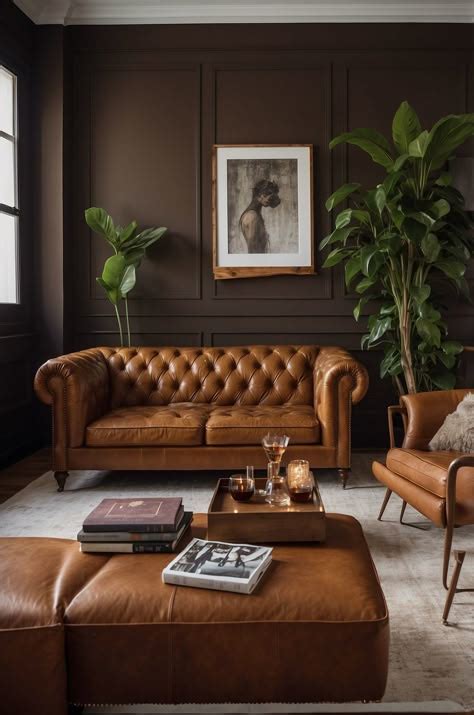
Timeless interior design avoids the trap of fleeting seasonal aesthetics, relying instead on materials that develop richer character as they age. Leather naturally embodies this philosophy because it acquires a unique patina over years of use, telling a visual story of the home it inhabits. In traditional settings, a deep button-tufted Chesterfield or a classic camelback silhouette in rich mahogany leather introduces a sense of heritage, warmth, and architectural gravity that balances ornate moldings and heavy drapery.
Conversely, in contemporary or transitional U.S. living spaces characterized by clean lines, neutral walls, and minimalist architecture, a streamlined leather sofa softens the austerity of modern layouts. The organic warmth and tactile variation of natural hide prevent open-concept rooms from feeling cold or sterile. By pairing a structured, low-profile leather couch with architectural lighting and organic elements like wood coffee tables or stone accents, homeowners create balanced environments that feel both curated and deeply welcoming.
Decoding Leather Grades: Full-Grain, Top-Grain, and Beyond
Navigating furniture showrooms and online catalogs reveals a wide spectrum of leather terminology that can easily confuse buyers. Understanding the structural differences between hide grades is essential for ensuring your investment withstands daily family life without premature peeling or structural degradation. Full-grain leather represents the highest quality tier, utilizing the complete hide with all its natural markings, grain patterns, and breathability completely intact.
Top-grain leather is the most common choice for premium residential furniture, featuring a slightly sanded surface that removes natural imperfections while retaining remarkable durability and a softer initial hand-feel. Lower tiers, such as split leather or bonded leather, incorporate scraps and synthetic binders that lack the tensile strength and age-defying resilience of authentic grain leather. While upfront costs vary dramatically, investing in top-grain or full-grain options ensures your seating will endure decades of household activity while maintaining its structural integrity.
Evaluating Comfort and Climate Adaptability
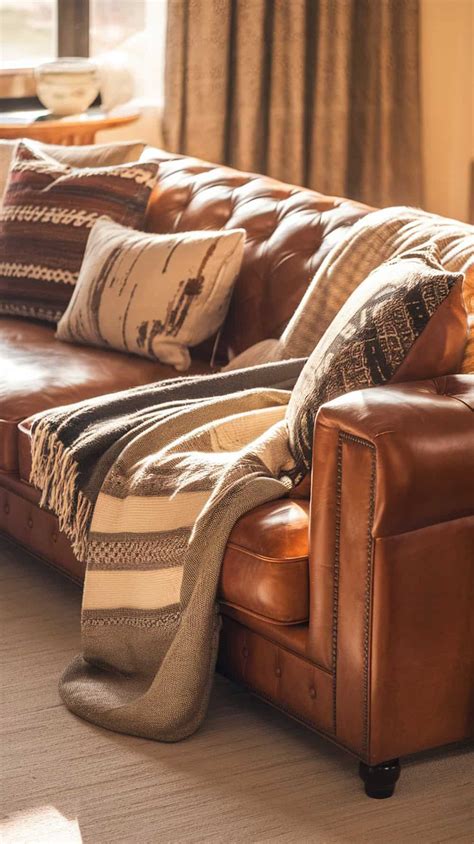
A common misconception about leather furniture is that it remains uncomfortably cold during northern winters and excessively sticky during humid southern summers. High-quality aniline and semi-aniline leathers are naturally breathable materials that quickly adjust to body temperature, offering remarkable thermal comfort across diverse U.S. climates. In cooler regions, layering the sofa with textured woolen throws and knitted blankets creates an inviting tactile contrast that makes the seating area exceptionally cozy.
For households situated in warmer, sun-drenched environments, positioning leather couches away from direct, unfiltered window exposure prevents thermal shock and UV fading. Choosing lighter cognac or caramel shades can also help reflect ambient light and maintain a cooler seating surface. Regular conditioning keeps the hide supple, ensuring that regardless of whether your HVAC is battling winter chills or summer humidity, the leather remains soft and resilient year-round.
Color Palettes and Finishes That Age Gracefully
Choosing the right color for a leather sofa determines how versatile your living room will remain as you update surrounding paint colors, rugs, and decorative accessories over the years. Classic cognac and rich saddle browns remain perennial favorites because they act as sophisticated neutrals, harmonizing effortlessly with earthy color schemes, deep navy walls, or crisp white minimalist palettes. These warm tones absorb natural light beautifully, making spacious great rooms feel intimate and cozy spaces feel grounded.
For those leaning toward a more contemporary, dramatic aesthetic, midnight black or charcoal grey leather delivers striking urban sophistication. These darker finishes conceal minor everyday dust and work exceptionally well in media rooms or industrial loft settings featuring exposed brick and metal accents. When evaluating finishes, consider whether you prefer a waxed pull-up leather that shows dynamic light and dark shading with every stretch, or a protected pigmented finish that offers uniform coloration and heightened stain resistance for busy households with children and pets.
Styling Your Leather Couch With Textiles and Layering
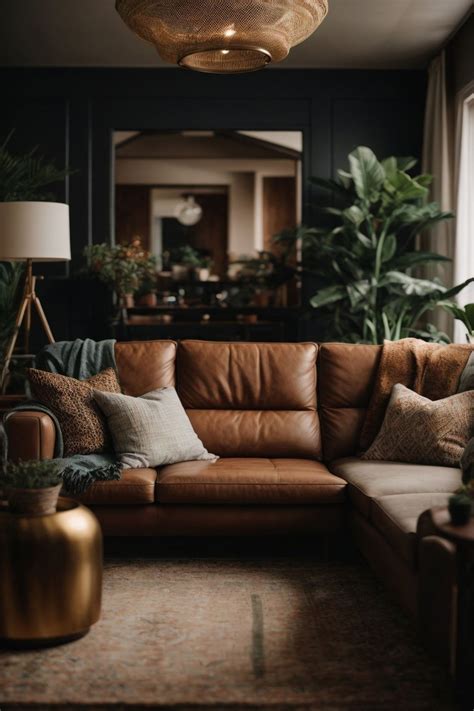
Because leather introduces a smooth, uniform texture to a room, successful styling relies heavily on layering contrasting textiles to create visual depth and tactile richness. Pairing a sleek leather couch with oversized linen pillows, heavy velvet cushions, or chunky knit throws breaks up the expanse of smooth hide and introduces a cozy, lived-in dimension. Rug selection plays an equally vital role; anchoring a leather sofa with a vintage wool rug or a high-texture jute floor covering prevents the room from feeling monolithic.
Lighting also transforms how leather interacts with your living space throughout the day. Direct directional lighting or warm ambient floor lamps highlight the subtle grain variations and natural sheen of the leather surface during evening hours. Integrating complementary wooden side tables, brushed brass accents, or ceramic planters completes the arrangement, tying the metallic, organic, and textile elements of the room into a cohesive, design-forward composition.
Long-Term Maintenance and Conditioning for Lasting Longevity
Protecting your investment requires a straightforward maintenance routine tailored to the specific finish of your leather furniture. Routine upkeep involves nothing more complicated than dusting the surface weekly with a soft, dry microfiber cloth to prevent abrasive grit from settling into the natural creases of the hide. Spills should be blotted immediately with a clean, absorbent white cloth rather than rubbed, which can force liquids deeper into the porous material.
Depending on your household usage and indoor humidity levels, applying a specialized leather conditioner and cleaner every six to twelve months keeps the material nourished and prevents premature drying or cracking. Avoid placing leather sofas directly against heating vents or fireplaces, as excessive dry heat strips natural moisture from the hide. With minimal yet consistent care, a quality leather sofa will reward you with decades of dependable comfort and an increasingly gorgeous patina.
Frequently Asked Questions
Are leather sofas suitable for homes with pets and children?
Yes, many families find top-grain or pigmented leather sofas exceptionally practical because they do not trap pet hair or absorb odors the way woven fabrics do. While sharp claws can puncture soft leather, distressed or pull-up finishes actually hide minor scratches remarkably well by blending them into the natural patina over time.
How can I tell if a sofa is genuinely high-quality leather?
Inspect the product specifications for terms like ‘full-grain’ or ‘top-grain’ rather than vague marketing labels like ‘bonded leather match.’ Genuine leather typically features natural grain variations, feels warm to the touch after a few moments of contact, and emits a distinct, earthy leather scent rather than a chemical plastic odor.
Will a dark leather couch make a small living room feel cramped?
While dark colors absorb light, a dark leather couch can actually anchor a small room if balanced with light-colored walls, large mirrors, and leggy furniture frames that allow light to flow underneath. Selecting a mid-tone cognac or camel leather can also provide warmth and luxury without heavily weighing down compact spatial layouts.
How do I fix minor surface scratches on my leather couch?
For minor surface scuffs on pull-up or oil-treated leathers, gently rubbing the area with your thumb can often redistribute the natural waxes and oils to erase the mark. For deeper top-grain leathers, applying a matching leather recoloring balm or conditioner will nourish the fiber and significantly minimize the visual appearance of scratches.


