When designing a living space that feels both grounded and sophisticated, few furniture investments match the enduring appeal of quality leather seating. Unlike fabric alternatives that capture seasonal trends and wear down predictably over the years, a well-crafted leather couch deepens in character as it ages. Natural oils from daily use, sunlight filtering through living room windows, and the simple rhythm of everyday family life gradually imbue the material with a rich patina that cannot be replicated artificially.
Bringing this classic element into a modern American home requires balancing tactile luxury with genuine everyday livability. Whether you live in a bustling urban loft or a traditional suburban open-plan residence, understanding how different leather finishes interact with your spatial layout, lighting, and textiles ensures your furniture functions as a resilient centerpiece rather than a delicate showpiece.
Understanding Leather Grades and Longevity
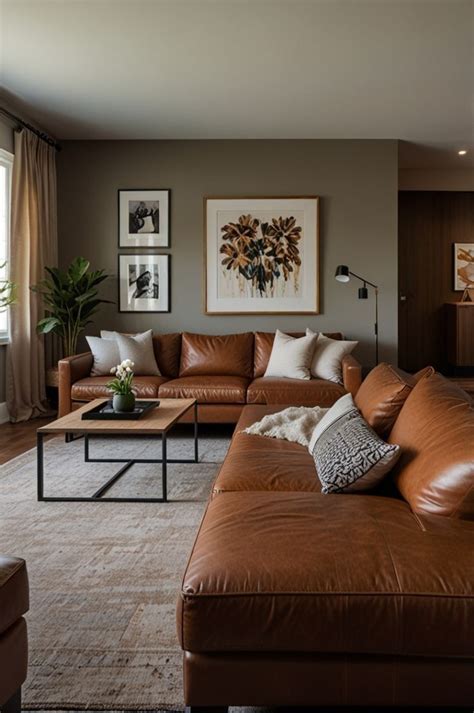
The foundation of any worthwhile leather investment begins with understanding the distinct grades available on the market. Full-grain leather represents the highest quality tier, retaining the complete, unaltered hide surface complete with natural markings and supreme breathability. Because the hide is not sanded or buffed, full-grain leather develops an exquisite, authentic patina over time, though it demands a higher initial investment and some care regarding sharp objects or pet claws.
Top-grain leather is slightly processed to remove imperfections, resulting in a more uniform appearance and a protective finish that resists stains more readily than full-grain variants. This makes top-grain an exceptionally popular choice for busy family rooms where accidental spills might occur. Bonded leather, by contrast, utilizes leftover scraps fused together with adhesives and polyurethane, offering a budget-friendly entry point but lacking the breathability, repairability, and multi-decade lifespan of genuine top-grain or full-grain alternatives.
Matching Leather Tones to Your Home Aesthetic
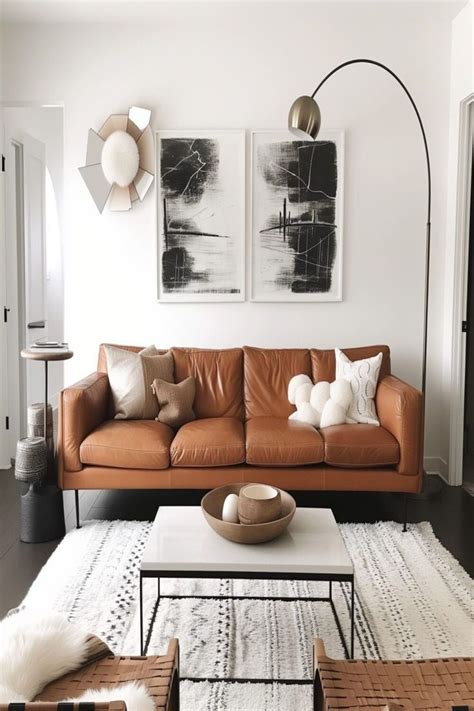
Choosing the correct color and finish allows your seating to anchor the room without overpowering existing architectural elements. Rich saddle brown and cognac shades bring warmth and organic texture to minimalist or industrial interiors, beautifully complementing exposed brick, steel accents, and reclaimed wood coffee tables. These warmer undertones naturally invite relaxation and pair exceptionally well with neutral wall palettes characteristic of contemporary American home design.
For homeowners leaning toward a transitional or modern farmhouse aesthetic, darker charcoal, deep espresso, or even tailored cream leather can establish a striking visual contrast. A deep black or midnight blue leather sofa introduces architectural weight and contemporary polish to bright, sunlit rooms filled with large windows and white trim. Consider how natural daylight shifts across your living room throughout the day, as glossy finishes will reflect ambient light differently than matte, pull-up leathers.
Styling Your Leather Couch for Maximum Comfort
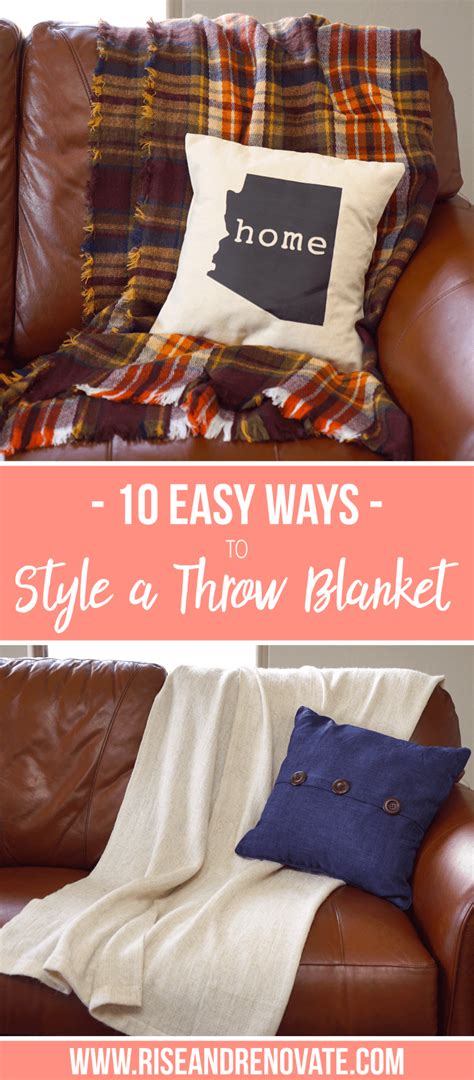
One common hesitation homeowners face is that leather seating can occasionally feel visually cold or sterile if paired incorrectly. Overcoming this challenge relies on thoughtful layering with tactile, contrasting textiles that soften the sleek surface of the leather. Introduce heavy wool throws, chunky knit blankets, and textured linen or velvet accent pillows to create a multidimensional seating arrangement that invites physical comfort.
Grounding the seating area with a substantial, high-texture area rug further enhances the room’s coziness. Jute, wool, or vintage-inspired patterned rugs prevent the leather couch from floating visually in an open-concept space. Pairing the sofa with warm wood side tables, brushed brass lighting fixtures, and living greenery bridges the gap between sleek industrial refinement and welcoming domestic warmth, ensuring your living room feels balanced and lived-in.
Long-Term Care and Natural Patina Development
Maintaining the beauty of leather furniture requires a straightforward routine centered around prevention and gentle conditioning rather than aggressive cleaning. Dusting the sofa regularly with a soft, dry microfiber cloth prevents microscopic abrasive particles from settling into the natural grain. For routine maintenance, wiping the surface with a damp cloth using distilled water is typically sufficient; harsh chemical detergents or all-purpose household cleaners should be strictly avoided to protect the hide’s natural moisture balance.
Applying a specialized leather conditioner once or twice a year keeps the material supple and prevents cracking, particularly in homes with dry winter climates or direct sunlight exposure. Embrace the minor scuffs and tonal shifts that accumulate over the years as proof of a well-loved home. This natural evolution is the ultimate hallmark of genuine leather, transforming a standard furniture purchase into a cherished heirloom piece that tells the visual story of your household.
Frequently Asked Questions
How do I choose the right leather color for my living room?
Assess your room’s natural lighting and existing color palette. Warm cognac and tan shades add cozy, organic warmth to neutral spaces, while darker espresso or black leather introduces modern sophistication and anchors large, brightly lit rooms.
Are leather sofas durable for families and pets?
Yes, especially top-grain leathers with protective finishes that resist spills and stains. While cats can scratch leather, many pet owners find that smooth, high-quality hides are easier to wipe down and less prone to trapping pet hair than woven fabrics.
How can I style a leather couch so it doesn’t look too cold?
Layer the sofa with soft, textured textiles like wool throws, linen pillows, and chunky knits. Combining the leather with natural wood accent furniture, a textured area rug, and indoor plants instantly warms up the space.
What is the difference between top-grain and full-grain leather?
Full-grain leather is the highest quality, retaining the entire natural hide with all its original markings and exceptional breathability. Top-grain leather has had the surface slightly sanded to remove imperfections, offering greater stain resistance and uniformity.
How do I care for and condition a leather sofa?
Dust regularly with a dry microfiber cloth, clean spills immediately with a damp cloth, and apply a specialized leather conditioner annually to maintain suppleness and prevent drying or cracking over time.


