Designing a living room that successfully balances physical comfort with practical utility often feels like a delicate juggling act. Many spaces lean too far in one direction, becoming either an untouchable showroom that lacks warmth or a cluttered catch-all for everyday life. Achieving a harmonious environment requires intentional choices that serve both your aesthetic desires and your daily routines. Whether you are settling into a new home or refreshing a familiar apartment, thoughtful design can transform your main gathering space into a sanctuary that works effortlessly for your lifestyle.
To help you navigate this balance, we have curated eighteen practical living room décor strategies. These approaches address everything from lighting and layout to storage and textiles, ensuring your room feels welcoming, grounded, and organized without requiring a complete architectural overhaul.
Foundation and Layout Strategies for Flow
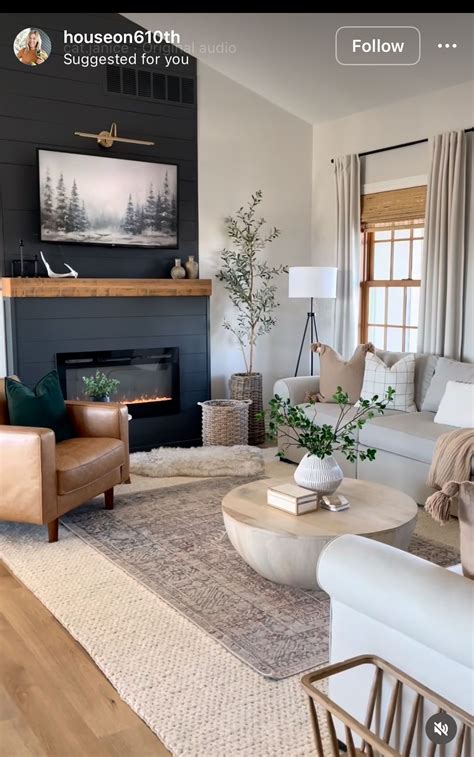
The foundation of any successful living room begins with how furniture interacts with the architecture of the room. A common mistake is pushing all seating directly against the perimeter walls, which can leave a large room feeling cavernous and disconnected, or a small room feeling strangely cramped. Instead, pull your main seating group slightly inward to create an intimate conversation area that naturally invites people to gather and relax.
When planning your layout, prioritize clear pathways for foot traffic so household members can move seamlessly from entryways to adjacent rooms. If you are working with an awkward room shape or an open-concept floor plan, use large area rugs to anchor specific zones. A properly scaled rug should be large enough to accommodate at least the front legs of your primary seating pieces, instantly defining the conversation space while softening hard flooring surfaces.
1. Anchor with a Properly Sized Area Rug
An undersized rug is one of the most frequent design pitfalls in modern living rooms. Choosing a rug that extends beneath all major furniture pieces makes a room feel expansive and cohesive, whereas a tiny postage-stamp rug fragments the floor plan and makes the space feel disjointed. Opt for natural, durable fibers like wool or tightly woven jute if you have high daily foot traffic, as they provide both tactile warmth underfoot and long-term resilience.
2. Float Your Furniture for Better Conversation
Resist the urge to anchor every single piece of furniture against the drywall. Pulling your sofa and armchairs just a few inches or feet away from the perimeter instantly creates a more welcoming, intimate atmosphere. This arrangement fosters natural conversation and leaves breathable negative space around your furniture, which is especially effective for making large, open-concept living rooms feel grounded rather than hollow.
3. Establish a Single, Clear Focal Point
Every well-designed room benefits from a clear visual anchor, whether it is a traditional fireplace, a large window with a scenic view, or a carefully styled media console. Arrange your primary seating arrangement to face this focal point while ensuring secondary chairs can be easily pivoted toward either the view or the conversation circle. This dual orientation maximizes both everyday relaxation and hosting capabilities.
Lighting Layers for Instant Ambiance
Relying on a single overhead ceiling light is the quickest way to strip warmth and character out of a living room. Creating a genuinely cozy environment requires a layered lighting scheme that mimics natural daylight transitions throughout the day. By combining ambient, task, and accent lighting at different heights, you can easily shift the mood of the room from bright and energizing during the day to soft and intimate at night.
Incorporate table lamps on sideboards, floor lamps beside reading chairs, and picture lights above artwork to distribute illumination evenly across the room. Smart bulbs or warm-toned LEDs with color temperatures around 2700K help replicate the inviting glow of traditional incandescent bulbs while remaining energy-efficient. Thoughtful lighting placement also draws the eye upward, making standard ceilings feel taller and more open.
4. Ditch the Harsh Overhead Fixture
Overhead flush-mount lights cast harsh downward shadows that can make a living room feel stark and clinical. Whenever possible, turn off the central ceiling light in the evening and rely instead on a combination of table and floor lamps positioned at eye level or below. This softer distribution of light flatters the room’s textures and creates an immediate sense of calm.
5. Mix Light Sources at Varying Heights
To achieve a professionally styled look, distribute your light sources across multiple vertical planes. Place a low accent light on a bookshelf, a standard floor lamp beside a sofa, and a table lamp on a low credenza. This variation prevents dark corners and adds visual depth, making the entire living room feel larger and more architecturally interesting.
Multi-Functional Furniture and Storage
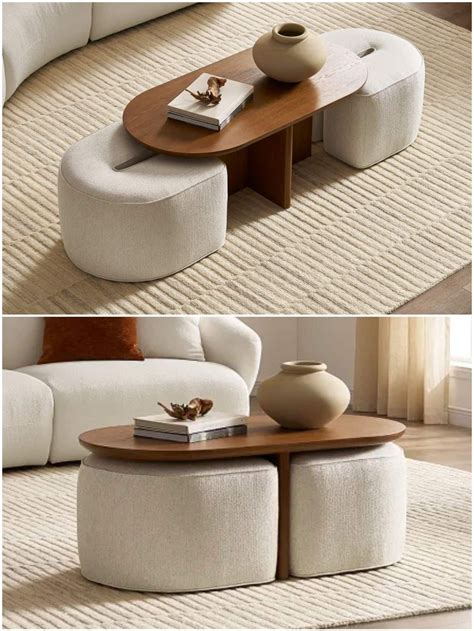
Functionality is the cornerstone of a truly livable space, particularly if your living room has to accommodate work-from-home gear, children’s toys, or hobby supplies alongside traditional seating. Selecting furniture that performs double duty is essential for keeping clutter at bay without sacrificing square footage or visual appeal. Look for pieces that conceal storage beneath lift tops, removable lids, or sliding doors.
Built-in or freestanding vertical shelving units also maximize your vertical real estate, drawing the eye upward and leaving more floor space open. By pairing enclosed cabinets for unsightly items with open shelves for curated books and objects, you maintain a clean, organized aesthetic that still feels personal and lived-in.
6. Invest in Storage Ottomans
A storage ottoman is the ultimate multi-tasker for modern living rooms. It functions as a comfortable footrest, extra seating for impromptu guests, and a discreet hiding spot for throw blankets, board games, or remote controls. Choose a durable performance fabric or leather that can withstand daily use while complementing your larger upholstery pieces.
7. Choose a Lift-Top Coffee Table
Standard coffee tables often become magnets for accumulating clutter. A lift-top design offers an ingenious hidden compartment for laptops and notebooks while elevating the surface to a comfortable height for working or casual dining. This simple swap bridges the gap between relaxation and productivity in smaller apartments and homes.
8. Utilize Vertical Wall Space for Media and Books
When floor space is limited, look to your walls to solve storage dilemmas. Wall-mounted floating shelves or tall, slender bookcases draw the gaze upward and keep the floor area clear for movement. Style these shelves with a mix of books, framed art, and minimal decorative objects to prevent the wall from looking heavy or cluttered.
Textiles, Warmth, and Tactile Variety
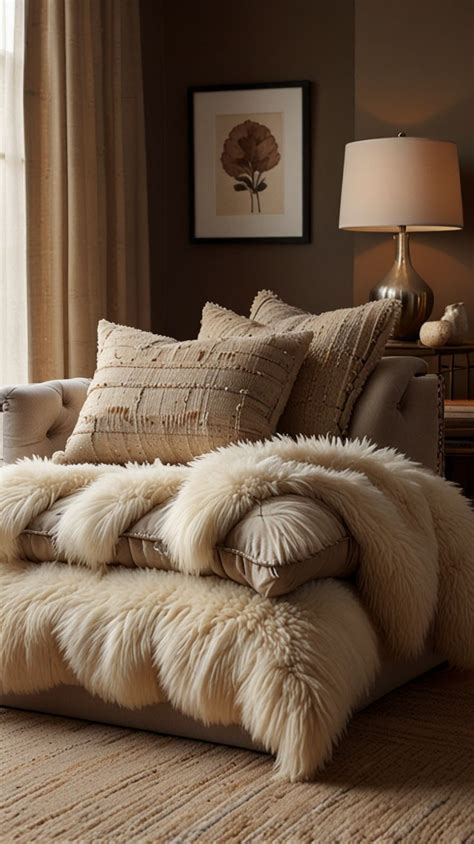
Nothing communicates coziness quite like a thoughtful curation of tactile textiles. Layering different fabrics introduces depth, softens hard architectural angles, and makes a room feel inviting from the moment you step inside. Combining smooth leathers, chunky knits, crisp linens, and velvety textures creates a rich sensory experience that elevates plain furnishings.
Renter-friendly textile updates, such as swapping out standard throw pillow covers or draping a heavy wool blanket over an armchair, offer an easy way to transition your living room décor across seasons. Lighter cottons and linens breathe beautifully during warmer months, while heavy velvets and faux-fur accents instantly ground the space when the weather turns cool.
9. Layer Throw Blankets with Varying Textures
Avoid matching your throw blankets directly to your sofa fabric. Instead, introduce contrasting textures like waffle weaves, cable knits, or sheared shearling draped casually over an armrest or folded neatly across the back. This approach adds physical warmth and visual interest, inviting family members to curl up comfortably.
- Mix heavy wools with lightweight linen blends for year-round versatility.
- Use baskets near the sofa to keep extra blankets tidy yet accessible.
- Drape throws asymmetrically to soften rigid furniture lines.
10. Mix Pillow Sizes and Fabrics
Pillows are essential for lower-back support and aesthetic styling, but uniform pillows can look stiff and uninviting. Combine different shapes and sizes, such as pairing 22-inch square feather-insert pillows with a smaller lumbar pillow in the center. Vary the fabrics by mixing smooth velvets with textured linen or patterned cotton weaves.
11. Hang Curtains High and Wide
Window treatments do more than regulate natural light; they dramatically influence the perceived proportions of your living room. Mount your curtain rods several inches above the window frame and extend them outward on each side so the fabric frames the glass rather than blocking it. This simple styling trick lets maximum sunlight flood the room while making windows appear larger and ceilings taller.
Personalization and Final Styling Touches
The final layer of any living room décor scheme is personalization, which turns a generic house into an authentic home. Displaying items that tell your personal story—such as travel mementos, heirloom ceramics, or favorite framed photography—infuses the room with character and prevents it from feeling like a sterile furniture catalog. However, editing is crucial to avoid visual clutter.
Group smaller decorative items into purposeful vignettes rather than scattering them randomly across every surface. Using the “rule of three” for styling coffee tables and shelves helps maintain visual balance, giving the eye natural resting points and keeping your living room looking calm, curated, and deeply comfortable.
12. Curate Meaningful Art and Framing
Artwork anchors the color palette of your living room and sets its emotional tone. Instead of hanging art too high, ensure the center of the piece sits roughly at eye level, or about 57 to 60 inches from the floor. If you are creating a gallery wall, lay the frames out on the floor first to test the composition before putting nails in the wall.
13. Incorporate Live Greenery and Botanicals
Plants bring life, organic movement, and subtle color contrast to any indoor space. Taller floor plants like a fiddle-leaf fig or snake plant can fill empty corners, while trailing pothos look stunning styled atop high shelves or media consoles. If natural light is sparse in your living room, high-quality botanical stems in a ceramic vase offer a similar organic warmth without requiring direct sunlight.
14. Group Decor Using the Rule of Three
When styling coffee tables, sideboards, or mantels, arrange decorative objects in odd numbers, preferably groups of three. Vary the heights, shapes, and materials within each group—such as pairing a tall glass vase with a medium-sized ceramic bowl and a low stack of art books. This asymmetric clustering looks natural and pleasing to the eye.
15. Integrate Dual-Purpose Seating Nooks
If you have an underutilized corner near a window, transform it into a functional micro-zone by adding an accent chair and a small floor lamp. This creates a dedicated reading nook or quiet retreat separate from the main television-watching area, maximizing the functional utility of an otherwise dead space.
16. Soften Hard Edges with Round Silhouettes
Living rooms often feature an abundance of rectangles, from the television screen and windows to the sofa and coffee table. Introduce circular or oval elements, such as a round coffee table, arched mirror, or curved accent chair, to break up the linear monotony and promote smoother physical and visual flow through the room.
17. Swap Hardware for an Instant Custom Look
For renters or homeowners looking for a quick, non-permanent upgrade, consider swapping the standard hardware on your media console or accent cabinets. Replacing basic knobs with brushed brass, matte black, or leather pulls elevates budget furniture and coordinates your metal finishes with your lighting and decor accents.
18. Embrace Intentional Negative Space
Perhaps the most overlooked rule of balanced decor is leaving some areas completely unadorned. Do not feel pressured to fill every shelf, wall, and tabletop. Intentional negative space gives the eye room to rest, highlights your favorite statement pieces, and keeps your cozy living room feeling breathable, calm, and effortlessly functional.
Frequently Asked Questions
How do I make a large living room feel cozy instead of empty?
To warm up a cavernous room, float your furniture inward rather than pushing it against the walls to form an intimate conversation circle. Incorporate rich, textured textiles like chunky wool rugs and layered throw blankets, use warm lighting at multiple heights, and break up large vertical walls with oversized art or tall bookcases.
What are the best furniture pieces for small, functional living rooms?
Multi-functional furniture is essential in compact spaces. Look for storage ottomans that double as seating, lift-top coffee tables that provide hidden desk or storage space, and slender wall-mounted shelving units that keep the floor clear for easy movement and maintain an open feel.
How can I incorporate hidden storage without sacrificing style?
Choose stylish furniture pieces with built-in compartments, such as media consoles with closed cabinet doors, benches with lift-off lids, and coffee tables with deep drawers. This allows you to tuck away everyday clutter like remote controls, toys, and chargers out of sight while maintaining a clean, curated aesthetic.
What lighting combinations create a warm atmosphere?
Avoid relying on a single overhead ceiling light. Instead, layer your lighting by combining table lamps on sideboards, floor lamps near seating areas, and accent lights on bookshelves. Use warm-toned LEDs around 2700K to replicate the soft, inviting glow of traditional incandescent bulbs.


