Open shelving remains one of the most effective ways to introduce both function and personal style into a living space, yet finding pieces that fit exact dimensions and budgets can prove frustrating. Mass-produced shelving often comes with high price tags or generic finishes that fail to complement individual interior aesthetics. Taking the project into your own hands through do-it-yourself fabrication allows you to customize exact lengths, select preferred wood stains or paints, and drastically reduce overall expenses.
Whether you reside in a suburban house or an urban rental apartment, creating your own wall displays requires balancing aesthetic ambitions with structural realities. Homeowners can anchor heavy wooden planks securely into wall studs, while renters must navigate strict lease agreements that prohibit large holes and permanent structural alterations. Fortunately, modern hardware selections and clever mounting strategies make it entirely possible to achieve high-end designer looks without breaking your budget or losing your security deposit.
Sourcing Affordable Materials at Local U.S. Hardware Stores
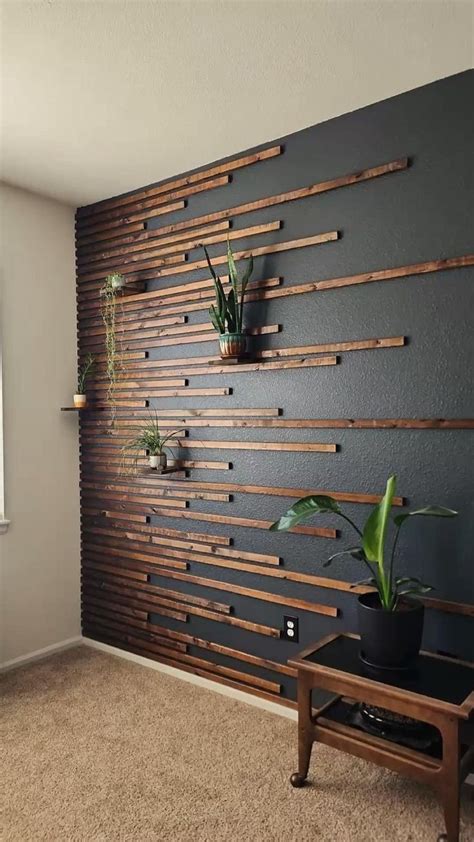
Building cost-effective shelving begins with smart lumber selection at major home improvement centers like The Home Depot or Lowe’s, or regional independent lumberyards. Standard whitewood boards, common pine, and MDF panels offer exceptional affordability and versatility for basic interior shelving projects. Selecting dimensional lumber such as 2×8 or 1×10 boards provides plenty of surface depth for books, plants, and decorative objects while keeping material costs under twenty dollars per shelf.
Beyond standard lumber aisles, exploring the discount or scrap wood sections can uncover premium hardwoods like oak or maple at a fraction of standard retail prices. Many hardware associates will make initial rip cuts or cross cuts right in the store, helping home decorators transport long boards without requiring a full-sized truck. Pairing economical pine boards with matte black iron brackets or leather strap hangers instantly elevates raw lumber into a polished, custom design feature.
Renter-Friendly Mounting Solutions for Damage-Free Walls
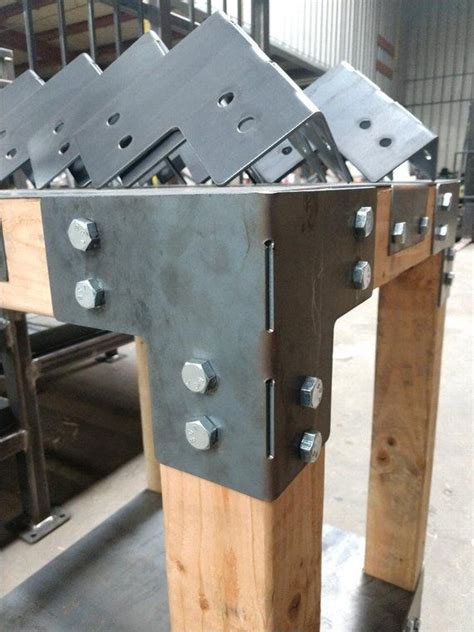
Hanging shelves in a rental apartment often feels like a high-stakes challenge due to the threat of forfeiting a security deposit upon moving out. Traditional toggle bolts and heavy-duty plastic anchors leave wide holes that require tedious patching, priming, and painting before lease termination. Fortunately, innovative hanging technology and alternative structural approaches let apartment dwellers enjoy functional wall storage without permanent wall damage.
For lightweight display ledges holding framed prints or small succulents, heavy-duty adhesive mounting strips and picture-hanging hooks rated for specific weight limits provide reliable support. Alternatively, leaning ladder shelves or tension-rod bookcase systems offer vertical storage capacity entirely independent of wall anchors. If wall-mounting is strictly necessary, smaller finish-nail holes can be easily filled with lightweight spackle and touched up with leftover wall paint upon moving day, minimizing any landlord concerns.
Step-by-Step Installation and Weight Safety Considerations
Securing shelves safely demands careful attention to wall construction, particularly the standard drywall-over-wood-stud framework found in most American homes. Utilizing an electronic stud finder helps locate structural supports behind the drywall, ensuring that at least one bracket anchors directly into solid wood. When studs do not align with desired shelf placement, high-quality toggle anchors or threaded drywall anchors provide alternative load-bearing strength, provided you respect the manufacturer’s maximum weight capacities.
Once brackets are leveled and screwed firmly into place, resting the stained or painted wooden board across the supports completes the physical assembly. Securing the underside of the shelf board to the brackets with short wood screws prevents shifting or tipping if objects are bumped accidentally. Always test the weight limit gradually by placing heavier items toward the back of the shelf near the wall brackets rather than out on the front edge.
Styling Open Shelving for a Balanced, Modern Aesthetic
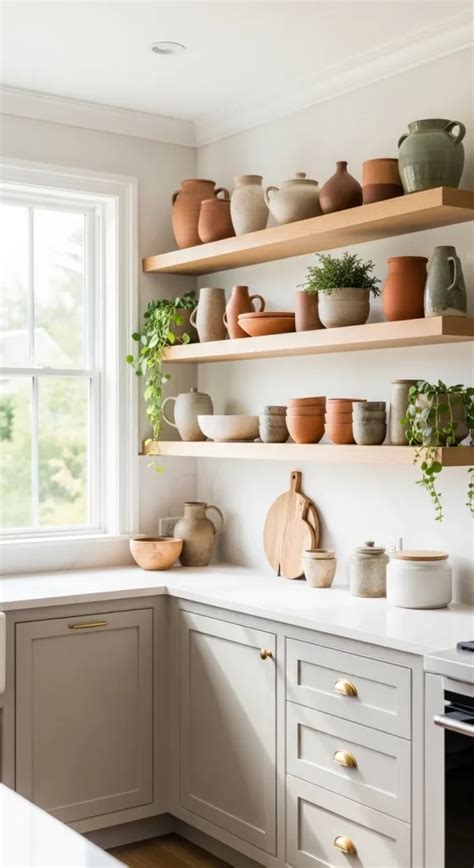
Once your DIY shelves are securely installed, styling them transforms raw wooden boards into curated focal points for your room. Start by clearing the shelves completely and gathering a cohesive collection of objects featuring varying heights, textures, and material finishes. Mixing vertical elements like framed art or tall vases with horizontal stacks of books creates visual movement that prevents the display from looking flat or overly rigid.
Applying the rule of threes helps maintain an uncluttered, intentional arrangement rather than a crowded storage zone. Incorporating living greenery, such as trailing pothos or small potted herbs, introduces organic warmth and softens the structural lines of the brackets and boards. Periodically stepping back across the room allows you to evaluate negative space and ensure the overall composition feels balanced and welcoming.
Frequently Asked Questions
How can I hang shelves without damaging rental apartment walls?
Renters can utilize leaning ladder shelves, tension-mounted pole systems, or heavy-duty adhesive strips designed for damage-free hanging. If small screw holes are permitted under your lease, they can be easily filled with spackle before moving out.
What are the cheapest materials to use for DIY shelving?
Standard dimensional pine boards, common whitewood planks, and MDF panels available at local home improvement stores offer the best balance of affordability and customization potential for budget-conscious decorators.
What tools do I need to install floating shelves safely?
Essential tools typically include an electronic stud finder, a spirit level, a power drill and driver bits, measuring tape, safety glasses, and appropriate wall anchors or brackets suited to your specific wall type.
How do I style open shelving so it looks modern and uncluttered?
Focus on maintaining generous negative space, grouping items in odd numbers, and mixing textures such as wood, ceramic, glass, and living plants. Avoid overloading every inch of surface area to keep the display looking curated.


