Creating a living space that genuinely feels like a retreat requires more than simply following the latest design trends. In typical American homes and apartments—ranging from sprawling suburban open-concept layouts to compact urban rentals—achieving a sense of true coziness relies on balancing scale, texture, light, and personal comfort. When a room feels overly cavernous or stark, it often lacks the sensory layers that signal relaxation to the human eye and body.
Transforming your room into an inviting sanctuary does not demand an expensive architectural overhaul or a complete furniture replacement. Instead, small, intentional adjustments to your layout, textile selections, and lighting strategy can completely alter the room’s atmosphere. Below are twenty-five practical, design-forward strategies tailored to help you infuse warmth and comfort into your U.S. living space, whether you own your home or rent.
1. Master the Art of Textile Layering
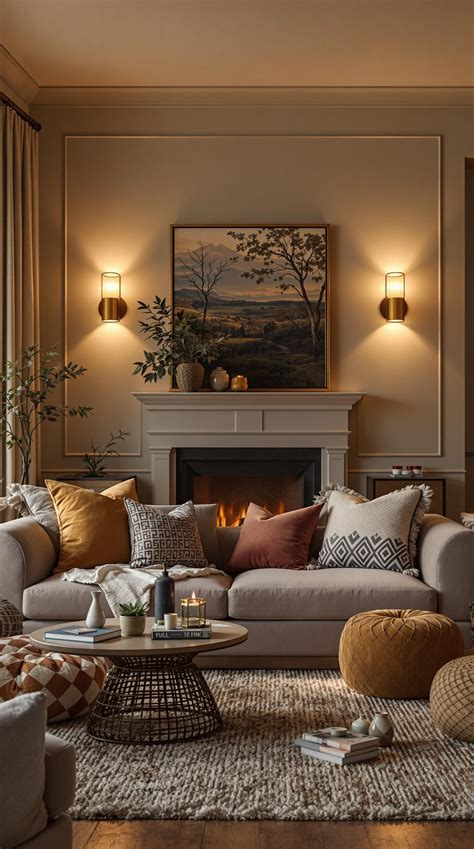
Textiles form the tactile foundation of any cozy interior. In a standard American living room, relying on a single sofa fabric and bare floors can leave the space feeling cold, especially during winter months. Instead, embrace the concept of high-low texture layering by combining smooth leather upholstery with chunky knit wool throw blankets, velvet accent pillows, and heavy linen drapery.
When selecting throws and cushions, prioritize materials that beg to be touched. Draping an oversized faux-fur or bouclé blanket over the corner of your sofa instantly introduces a visual and physical softness. This approach breaks up rigid furniture lines and invites household members and guests to curl up and settle in for the evening.
2. Anchor Your Seating with an Oversized Area Rug
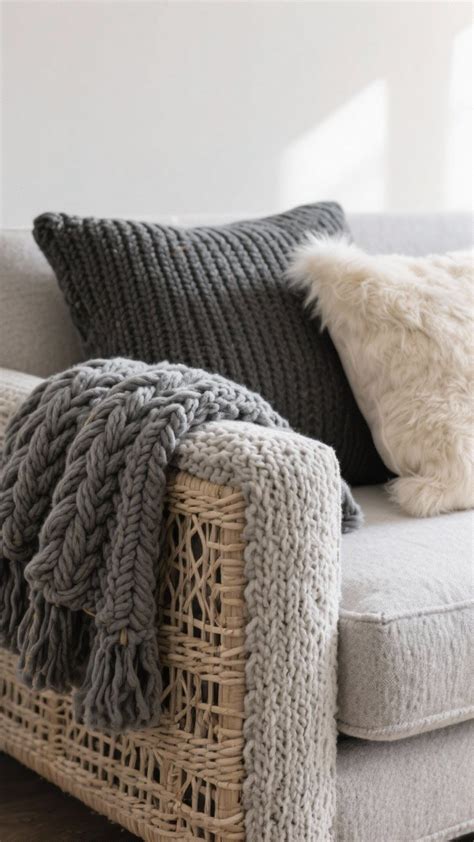
One of the most common mistakes in American living room design is choosing an area rug that is too small for the space. A postage-stamp rug floating in the center of the room makes furniture feel disconnected and exposes too much bare hardwood or carpet. Selecting a large rug that allows the front legs of all major seating pieces to rest comfortably upon it immediately grounds the room.
Consider pairing a neutral low-pile woven rug as a base with a plush, high-pile sheepskin or patterned vintage-style rug layered on top. This dual-layer approach provides extraordinary underfoot warmth, dampens echoing sounds in open-concept layouts, and creates a defined conversational zone that feels intimate and secure.
3. Shift from Overhead Lighting to Warm Ambient Glows
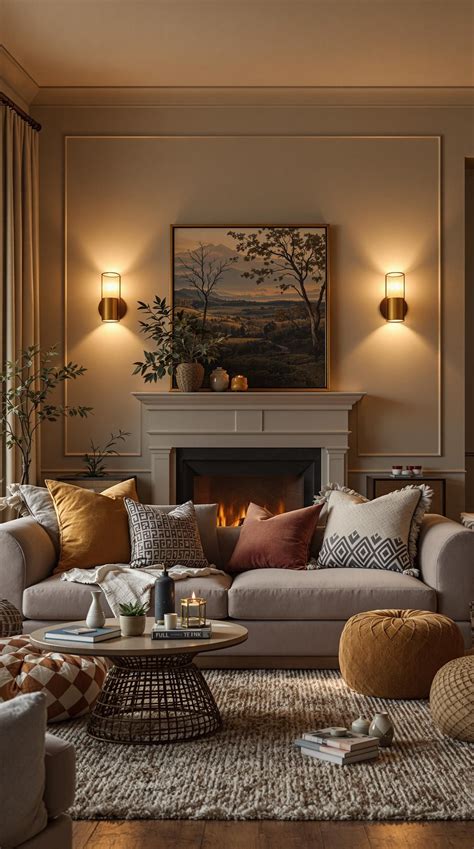
Harsh overhead lighting is the quickest way to ruin a cozy atmosphere. To create a welcoming environment, banish glaring white bulbs and adopt a layered lighting scheme utilizing table lamps, floor lamps, and wall sconces placed at different heights throughout the room.
Choose LED bulbs with a warm color temperature ranging between 2,700K and 3,000K to mimic the soft glow of traditional incandescent lighting or natural sunset hues. Adding dimmer switches to your existing overhead fixtures gives you complete control over the room’s mood, allowing you to transition from bright daytime functionality to an intimate evening ambiance effortlessly.
4. Introduce Rich, Earthy Color Palettes
Color has a profound psychological impact on how warm a room feels. While crisp white walls remain popular across many modern American homes, they can sometimes read as sterile without adequate balancing elements. Introduce rich, grounded hues such as muted terracotta, olive green, warm taupe, deep ochre, or moody charcoal.
If repainting an entire room is not an option—particularly for renters—you can easily inject rich color through large-scale canvas art, statement accent chairs, richly hued curtains, or decorative ceramic vessels. These accents absorb light differently than stark whites, creating a cocoon-like environment that feels inherently sheltering.
5. Embrace Natural Wood Tones and Organic Elements
Bringing organic elements indoors softens the rigid geometry of modern construction and furniture. Incorporate exposed wood tones through coffee tables, shelving units, or exposed ceiling beams. Varied grains and warm honey or walnut finishes add natural depth that synthetic materials simply cannot replicate.
Complement your wood furnishings with living greenery. Potted plants such as the fiddle-leaf fig, snake plant, or trailing pothos introduce vibrant life and organic shapes. For low-light rooms or busy households, high-quality dried botanicals like pampas grass, eucalyptus branches, or wheat stalks arranged in heavy ceramic vases offer a similar organic warmth without requiring ongoing maintenance.
6. Create Conversational Furniture Layouts
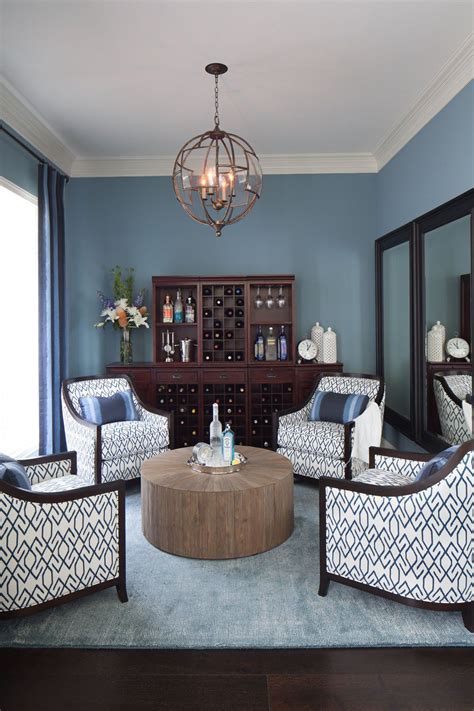
Large American living rooms often suffer from the ‘perimeter trap,’ where all seating is pushed flush against the walls, leaving a vast, empty expanse in the middle. To foster genuine connection and intimacy, pull your furniture inward to create cozy conversational clusters.
Arrange your primary sofa and armchairs facing one another rather than exclusively facing the television. If your room is compact, floating your furniture just a few inches away from the walls tricks the eye into perceiving the room as more expansive while instantly making the seating arrangement feel intentional, intimate, and comfortable.
7. Soften Hard Edges with Curvilinear Silhouettes
Rectangular rooms, straight-backed sofas, square coffee tables, and boxy media consoles can create an overly rigid visual landscape. Soften the geometry of your living space by introducing curved and organic silhouettes through round coffee tables, arched floor lamps, scalloped trays, or rounded armchairs.
Curved furnishings guide the eye fluidly around the room, reducing visual tension and making large or awkwardly shaped spaces feel significantly more welcoming. This gentle aesthetic shift encourages relaxation by removing harsh visual angles from your primary line of sight.
8. Incorporate Multifunctional Storage to Reduce Visual Clutter
Visual clutter is the enemy of coziness. When remote controls, loose papers, children’s toys, and charging cables scatter across surfaces, even the most beautifully decorated room feels stressful rather than relaxing. Invest in clever storage solutions such as woven baskets tucked beneath consoles, lidded storage ottomans, or media cabinets with closed doors.
Renting? Modular storage benches and vintage wooden chests serve double duty as seating and hidden storage containers, keeping everyday necessities out of sight while adding character and texture to your living area.
9. Add Personal History and Storytelling Decor
A room only truly feels like home when it reflects the people who inhabit it. Avoid generic showroom aesthetics by incorporating personal items that tell your unique story, such as framed travel photography, inherited vintage heirlooms, handmade pottery, or favorite hardbound books stacked on a side table.
Displaying meaningful objects creates emotional resonance, transforming your living room from a static catalog display into a comforting, lived-in sanctuary that feels authentic, grounded, and deeply personal.
Frequently Asked Questions
How can I make a large living room feel cozy instead of empty?
To prevent a large living room from feeling cavernous or uninviting, divide the space into distinct functional zones using oversized area rugs and furniture floating away from the walls. Incorporating warm lighting sources at varying heights, adding rich textured textiles, and utilizing large-scale art or tall bookcases helps fill vertical and horizontal negative space.
What lighting creates the warmest atmosphere in a living room?
A layered lighting strategy utilizing table lamps, floor lamps, and wall sconces with warm bulbs (between 2,700K and 3,000K) creates the most inviting atmosphere. Avoid relying solely on bright overhead fixtures, and install dimmers to easily soften the light during evening hours.
What are renter-friendly ways to add warmth to a living space?
Renters can instantly warm up their living spaces without making permanent modifications by layering large area rugs over carpet or hardwood, hanging heavy velvet curtains using tension or damage-free rods, incorporating peel-and-stick accent wallpaper, and adding plush throws, pillows, and ambient table lamps.
Which colors make a living room feel warm and inviting?
Earthy and grounded hues such as warm terracotta, muted olive green, deep ochre, rich taupe, and soft caramel naturally absorb light and create a cozy, cocoon-like ambiance compared to stark whites or cool grays.


