Creating a warm, inviting atmosphere in contemporary American homes often comes down to mastering texture. When hardwood floors and minimalist drywall dominate open-concept layouts, rooms can easily feel stark or acoustically harsh. Introducing tactile elements like a plush fur rug instantly softens the environment, providing both visual depth and an irresistible physical comfort underfoot.
Choosing the right textile requires looking beyond simple aesthetics to understand how different fibers, backing types, and pile heights perform in daily residential life. Whether you live in a bustling suburban family house or a sleek urban apartment, incorporating these cozy accents allows you to define distinct living zones while maximizing comfort throughout changing seasonal temperatures.
Selecting Between Faux and Genuine Fur Materials
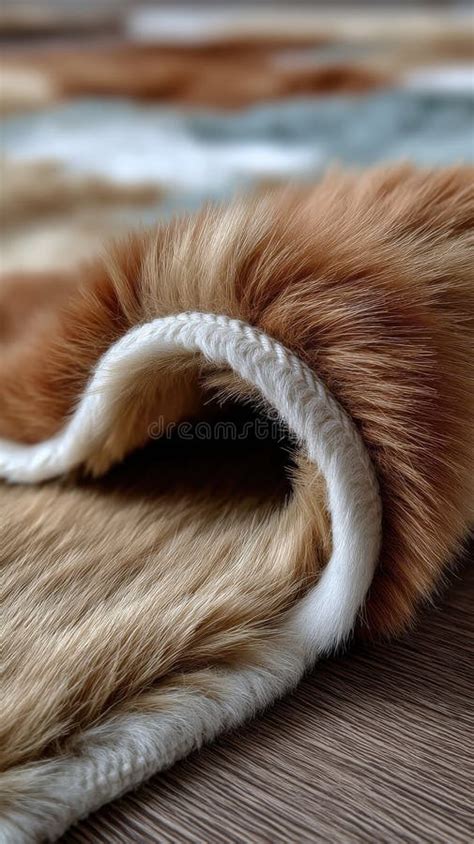
The first major decision when shopping for a furry floor covering involves choosing between synthetic faux fur and genuine animal hides. Modern manufacturing techniques have advanced significantly, allowing high-grade acrylic and polyester blends to closely mimic the soft luster and dense pile of natural pelts without ethical compromises. These synthetic alternatives are widely favored in modern households for their accessibility, uniformity, and resistance to common household moisture.
On the other hand, genuine sheepskin or cowhide options offer unique organic variations in shape, color, and texture that synthetic materials cannot fully replicate. Authentic hides are remarkably breathable and naturally temperature-regulating, keeping your feet cool in the summer and warm during winter months. However, they typically require more specialized care and professional cleaning, making faux variations the more practical choice for high-traffic zones or homes with pets and young children.
Strategic Room Placements for Maximum Impact

Maximizing the visual and tactile benefits of a plush rug depends heavily on where you place it within your floor plan. In the living room, a generous fur accent piece works exceptionally well when layered partially beneath a coffee table or positioned as a standalone accent near a reading armchair. This anchors the seating arrangement and introduces a dramatic focal point that draws the eye downward, making expansive open-concept spaces feel more intimate.
Bedrooms also provide an ideal environment for high-pile textures, particularly when placed right beside the bed so your bare feet land on cloud-like softness every morning. Smaller sheepskin-style rugs can even be draped stylishly over the foot of a bed or across an accent bench, adding a relaxed, boutique-hotel aesthetic to your private sanctuary. Consider how natural light enters the room, as morning or evening sun rays will catch the varied pile lengths and accentuate the luxurious sheen of the fibers.
Mastering the Art of Rug Layering
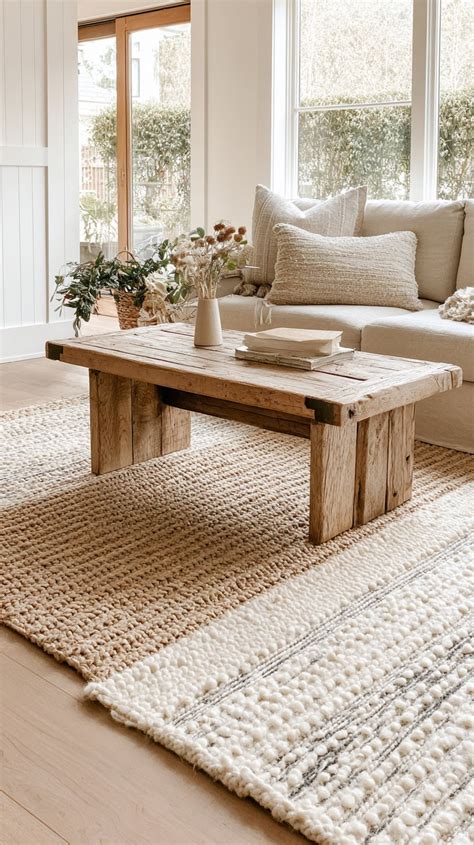
Layering is one of the most effective interior design strategies for adding architectural interest to standard wall-to-wall carpeting or plain hardwood floors. By placing a smaller, highly textured faux fur rug on top of a larger, neutral woven base—such as a flat-weave jute, sisal, or low-pile wool rug—you create a rich multidimensional foundation. This technique works particularly well in large living rooms where a single standard rug might otherwise look lost in the space.
When layering, ensure the bottom rug is significantly larger so that a visible border frames the fur accent piece. Play with contrasting shapes as well; a rectangular flat-weave base provides a structured foundation for an organically shaped or circular fur pelt, breaking up rigid architectural lines. This approach not only boosts underfoot cushioning but also allows you to experiment with luxury textures without committing to an expensive room-sized fur covering.
Maintenance and Longevity Guidelines
Preserving the luxurious feel and appearance of a plush rug requires consistent, gentle upkeep tailored to the specific fiber type. Regular light shaking helps dislodge trapped dust and loose debris from deep within the dense pile, preventing fibers from matting together. Most synthetic faux fur options can be spot-cleaned with mild detergent and cold water, though you should always check the manufacturer label to determine whether machine washing on a delicate cycle is permitted.
Avoid placing heavy furniture legs directly onto delicate high-pile fibers, as prolonged pressure can permanently crush the plush texture in those specific spots. Using a specialized wire pet brush or slicker brush gently restores the fluffy direction of the fibers after washing or heavy use. By balancing aesthetic ambitions with realistic maintenance routines, you can enjoy the inviting warmth of plush textiles for years to come.
Frequently Asked Questions
Are faux fur rugs durable enough for high-traffic areas?
While plush fur rugs feature a delicate aesthetic, high-density synthetic options crafted from modacrylic or polyester can withstand moderate foot traffic if placed thoughtfully. However, it is best to reserve ultra-plush or genuine long-hair options for low-traffic zones like bedrooms, reading nooks, or beside living room sofas rather than main entryways.
How do I clean a faux fur rug without ruining the texture?
Most synthetic faux fur rugs should be spot-cleaned using cold water and a mild, bleach-free detergent. Gently blot the stain rather than rubbing it, rinse with a damp cloth, and allow the rug to air dry completely away from direct heat sources. Once dry, use a soft-bristle brush to fluff the fibers back into place.
Can I place a fur rug over existing carpet?
Yes, layering a smaller fur rug over neutral wall-to-wall carpeting is a great way to introduce texture and define a specific seating zone. To prevent the top rug from slipping or bunching up underfoot, use a thin non-slip carpet pad between the two layers.


