Installing custom built-in shelves instantly transforms an ordinary room into a curated space filled with architectural character. Whether you own a suburban colonial or rent a modern urban apartment, adding vertical storage maximizes your square footage while showcasing your personal style. While traditional built-ins often carry hefty contractor price tags, tackling this project as a do-it-yourself endeavor allows you to customize every dimension to fit your specific walls.
American homes feature diverse architectural layouts, from standard wood-frame construction with sixteen-inch stud spacing to older plaster walls that present unique anchoring challenges. Success relies on choosing the right materials, understanding your space’s structural limits, and matching your carpentry ambition to your actual skill level. By blending creative design concepts with solid building practices, you can achieve a seamless built-in look without sacrificing your weekend or your budget.
Living Room Focal Points: Fireplace and Media Built-Ins
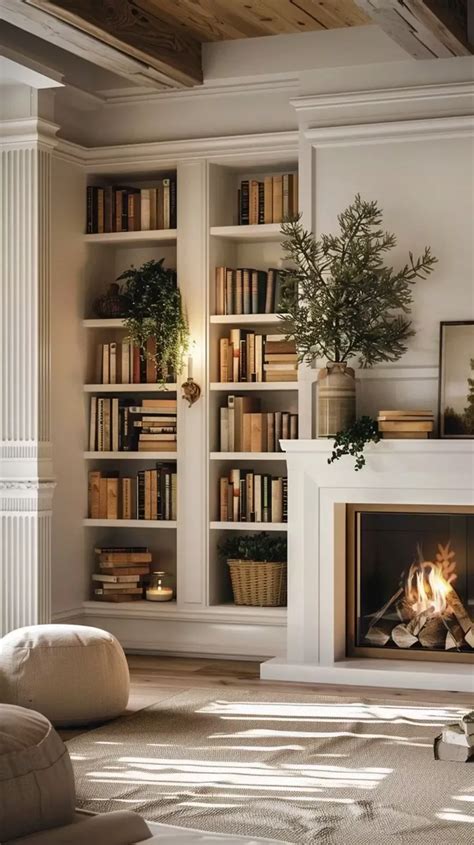
The living room serves as the natural hub for custom shelving, especially when framing a fireplace or designing an integrated media wall. Building floor-to-ceiling bookshelves around a hearth draws the eye upward, making standard American ceiling heights feel grander while providing essential storage for books, electronics, and decor objects. Using standard nominal lumber such as 1×12 pine boards or high-density fiberboard (MDF) keeps material costs manageable while offering a smooth, paint-grade surface.
When constructing living room built-ins, pay close attention to weight distribution and appliance ventilation if housing a television. Incorporating closed cabinetry at the base hides unsightly cords and board games, while open upper shelves keep the display feeling light and balanced. Always secure your shelving units directly into multiple wall studs using heavy-duty structural screws to ensure stability, particularly in households with children or pets.
Rental-Friendly and Modular Built-In Alternatives
Living in a rented apartment or townhouse shouldn’t stop you from enjoying the bespoke look of custom built-ins. Renters can achieve a similar aesthetic by utilizing tension-mounted shelving systems, modular bookcases secured with minimal wall anchors, or freestanding cabinet units flanked by narrow floating towers. These solutions deliver the visual impact of built-in cabinetry while honoring standard lease agreements by minimizing permanent wall damage.
To create a faux built-in effect in a rental, anchor modular bookcases securely to the wall using minimal-patch brackets, then conceal any gaps between the furniture and the ceiling or baseboards with lightweight trim attached via double-sided museum putty or tiny brad nails. When you eventually move out, filling small nail holes takes only minutes, ensuring you get your security deposit back while enjoying custom storage during your tenancy.
Home Office and Library Niche Solutions
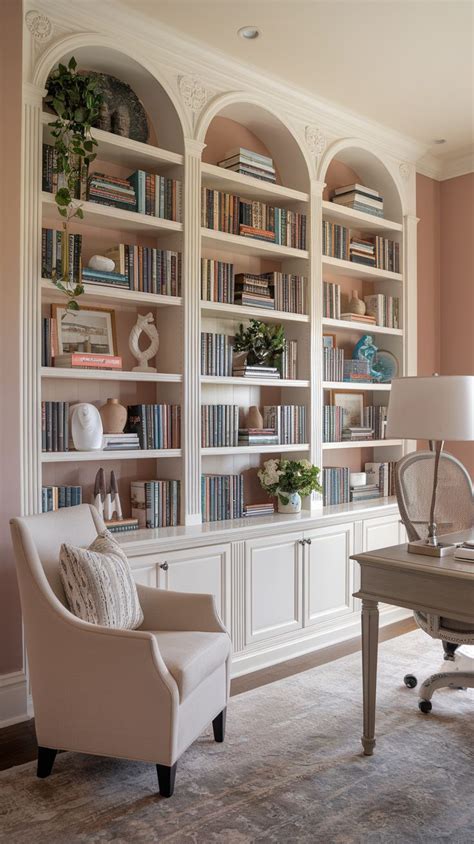
Dedicated home offices and reading nooks benefit immensely from tailored shelving that keeps reference materials, stationery, and decorative accessories neatly organized. Designing a wrap-around desk and shelving combination maximizes corner dead space, turning an awkward nook into a high-productivity command center. Choosing durable plywood for desktop surfaces prevents sagging over time, a common issue when heavy computers and printers rest on unsupported spans.
When planning a home library wall, calculate your shelf span carefully based on material thickness. Solid wood and high-grade plywood will sag if stretched beyond thirty inches without a vertical divider or edge-banding support. Adding integrated LED strip lighting underneath select shelves introduces task lighting while highlighting your book collection, elevating a simple DIY project into a high-end custom feature.
Essential U.S. Building Standards and Safety Tips
Successful DIY shelving projects in the United States require a firm grasp of standard building dimensions and safety protocols. Most American interior walls feature timber framing spaced sixteen or twenty-four inches apart, which dictates where you can anchor heavy loads safely. Investing in a reliable electronic stud finder is non-negotiable before driving your first screw into drywall or lath-and-plaster surfaces.
Always prioritize weight capacity over purely minimalist aesthetics. Fasten ledger boards securely to wall studs rather than relying solely on drywall anchors when supporting heavy book collections. Taking time to level each shelf using a spirit level prevents rolling objects and ensures your finished carpentry looks professional, neat, and structurally sound for years to come.
Frequently Asked Questions
How can I build custom built-ins if I live in a rental apartment?
Renters can create a built-in look by anchoring modular bookcases or using tension-mounted shelving systems. Minimize wall alterations by using removable adhesive hooks for lightweight trim and standard small anchors that are easy to patch prior to moving out.
What materials are best for sturdy DIY bookshelves?
High-density fiberboard (MDF) provides an exceptionally smooth, paintable surface that resists warping, while ¾-inch cabinet-grade plywood offers superior strength for heavier book collections without excessive sagging across standard spans.
How do I anchor heavy shelves securely to standard U.S. wall studs?
Locate wall studs using an electronic stud finder, typically spaced sixteen inches apart in American homes. Drive three-inch wood screws through your shelving frame’s mounting board directly into the center of the studs for maximum load-bearing security.
What is the ideal shelf span to prevent sagging?
For solid wood or standard plywood shelves holding heavy books, keep spans under thirty inches. If you need a longer shelf, incorporate a vertical support divider or add a solid wood face-frame edge to reinforce the board.


