Transforming empty walls and awkward architectural nooks with custom built-in shelving is one of the most rewarding home improvement projects you can undertake. Unlike flat-pack furniture, custom built-ins anchor a room, maximize vertical square footage, and seamlessly integrate into the unique structural framing of American houses. Whether you are aiming to showcase an extensive book collection, hide unsightly media cords, or create functional home office storage, designing your own built-in system offers unmatched aesthetic versatility.
Executing a successful built-in project requires careful planning, adherence to standard U.S. wall construction principles, and an understanding of material limitations. Standard residential framing in the United States typically relies on wood or metal studs spaced 16 inches on center behind drywall. Tying your shelving framework securely into these structural members guarantees safety, prevents wobbling, and supports heavy loads over time. By combining thoughtful design choices with reliable carpentry techniques, you can achieve a high-end, architectural finish without paying custom cabinetmaker prices.
Transforming Living Room Focal Points with Custom Media Built-Ins
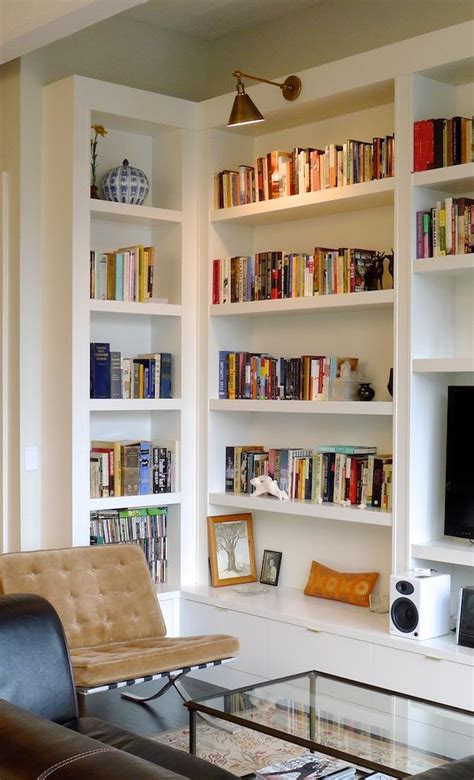
The living room is the natural centerpiece of most American homes, making it the ideal location to install a striking built-in media center. Creating a balanced wall unit that combines lower closed cabinetry with upper open shelving immediately draws the eye and anchors the entire space. By building a foundational platform using 2×4 lumber and fastening it directly to the wall studs, you create a sturdy base that can easily support heavy television components and decorative accents.
When designing living room media built-ins, consider incorporating wire management channels behind the vertical stiles before attaching face frames. Leaving adequate clearance for electronics ventilation prevents overheating, a common oversight in DIY entertainment centers. Painting the entire assembly—including the wall backing—in a rich, saturated tone like moody navy, charcoal, or classic warm white creates a seamless, high-end millwork illusion that completely elevates the room’s character.
Maximizing Library Style and Vertical Space in Home Offices
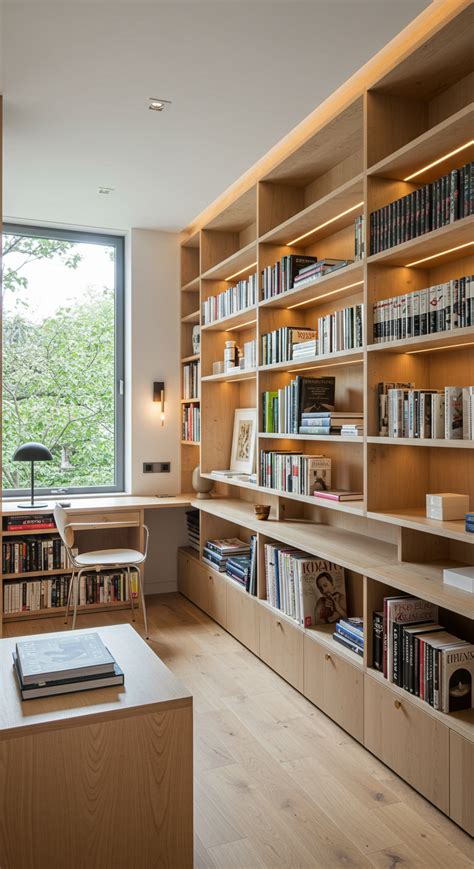
For remote professionals and avid readers alike, floor-to-ceiling bookshelves turn a standard room into a sophisticated study. Standard U.S. ceiling heights typically range from eight to nine feet, providing ample vertical canvas for tall shelving runs. To achieve a professional built-in look, design your upper shelves with slightly tighter spacing for paperbacks and decorative objects, reserving deeper, taller compartments near the bottom for storage bins and heavy binders.
Building floor-to-ceiling units requires careful attention to shelf sag, a common issue when using lower-quality sheet goods. Selecting high-grade cabinet plywood, such as three-quarter-inch birch or maple, ensures your shelves remain rigid over long spans without bowing under weight. Adding a solid hardwood front edge banding hides the plywood layers and provides a crisp, paint-ready surface that mimics expensive custom architectural millwork.
Budget-Friendly Faux Built-In Hacks for Renters and Beginners
If you are renting or hesitant to cut into drywall and secure permanent framing to wall studs, faux built-in techniques offer an accessible alternative. By anchoring heavy-duty modular bookcases flush against the wall and framing them out with simple baseboards and crown molding, you can instantly mimic the appearance of custom-built carpentry. This approach allows you to achieve the high-end custom aesthetic with minimal structural alteration and much lower woodworking experience.
Renters can utilize heavy-duty adhesive wall anchors and secure top brackets into studs with minimal patching required upon moving out. Alternatively, anchoring tall freestanding units with furniture straps ensures safety against tipping while maintaining stability. By finishing the gaps between store-bought shelving units and your walls with flexible caulk and matching paint, you completely eliminate the visual seams that typically give away modular furniture.
Essential Tools, Materials, and Hardware for American DIY Standards
Embarking on a custom built-in shelving project requires a well-rounded toolkit to ensure precise cuts and secure installation. Essential gear includes a reliable miter saw, a table saw or circular saw with a straight-edge guide for breaking down large plywood sheets, a stud finder, a digital level, and a Brad nailer. Investing in a pocket hole jig also simplifies the assembly process, allowing you to join face frames and cabinet boxes cleanly without visible screw heads.
Material selection ultimately dictates the longevity and finish quality of your built-in shelves. While MDF provides an exceptionally smooth surface for painted finishes, it is significantly heavier and more susceptible to sagging over wide spans than plywood. Hardwoods like poplar and oak are fantastic choices for face frames and exposed trim work because they accept paint and stain evenly while resisting dents and everyday wear and tear.
Frequently Asked Questions
How much does it cost to build custom shelving in the U.S.?
The material cost for a DIY built-in shelving project typically ranges from $200 to $1,000 depending on the size, lumber grade, and hardware choices. Hiring a professional carpenter for custom built-ins can cost anywhere from $2,500 to $8,000+ based on complexity and local labor rates.
What materials are best for DIY built-ins?
Three-quarter-inch cabinet-grade plywood (such as birch or maple) is ideal for uprights and shelves due to its structural stability. Poplar is widely preferred for face frames and trim because it is affordable, easy to cut, and paints exceptionally well.
How do I prevent wooden shelves from sagging over time?
To prevent sagging, keep shelf spans under 36 inches when using three-quarter-inch plywood or solid wood. For wider spans, add a solid wood edge band vertically underneath the front edge, or install vertical vertical dividers to structurally support the weight.
Are built-in bookshelves difficult to anchor to modern drywall?
Anchoring built-ins is straightforward if you locate and screw directly into the wooden wall studs behind your drywall using three-inch wood screws. Always use a reliable electronic stud finder and verify stud locations with a small test nail if necessary.