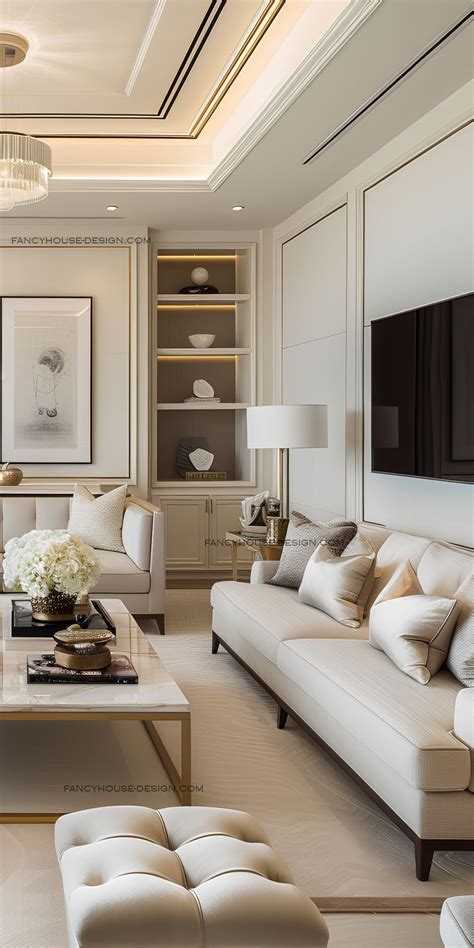
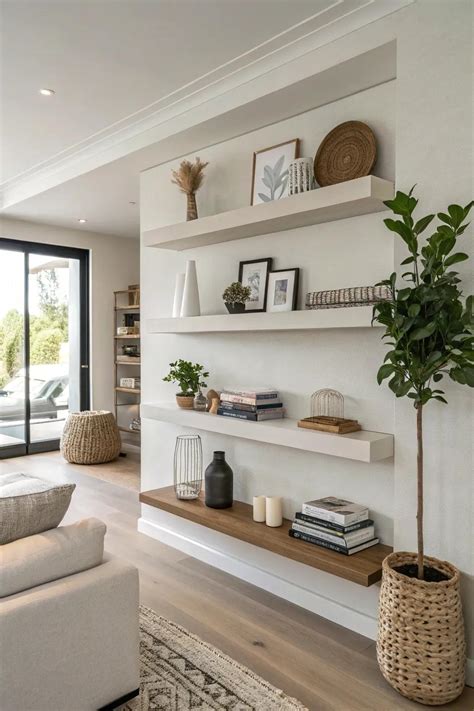
When it comes to organizing a home, store-bought furniture often leaves awkward gaps, collects dust on top, and fails to utilize every available inch of square footage. Introducing built-in storage changes the dynamic entirely, transforming dead architectural zones into sleek, intentional features that look like they cost thousands of dollars. Whether you are addressing an empty alcove beside a fireplace or aiming to turn a cluttered hallway into a streamlined drop zone, constructing your own custom cabinetry and shelving opens up endless design possibilities.
Achieving a high-end, professional look without hiring a pricey custom carpenter relies heavily on preparation, material selection, and precise finishing techniques. By understanding how to work with standard plywood, dimensional lumber, and simple trim pieces, even intermediate DIYers can craft sturdy, beautiful installations. Beyond aesthetics, keeping structural safety in mind—such as anchoring units directly into wall studs and respecting weight capacities—ensures your custom creations remain functional and secure for years to come.
Maximizing Awkward Spaces and Architectural Nooks
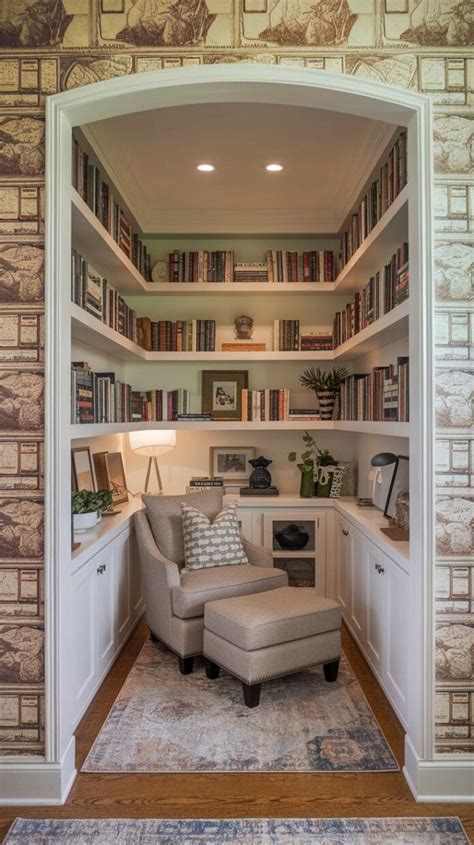
Every home features structural quirks, from dead corners and sloped attic walls to narrow alcoves flanking a chimney. Instead of viewing these spaces as design challenges, clever homeowners treat them as prime opportunities for custom built-ins. Constructing shelving that fits flush against uneven plaster or drywall instantly elevates the room, eliminating the visual clutter of standalone bookcases that trap dust and waste vertical volume.
When measuring these challenging nooks, remember that older homes rarely feature perfectly square corners or straight walls. Taking multiple measurements at the top, middle, and bottom of your opening prevents unpleasant surprises when sliding a pre-assembled bookcase into place. Scribe molding is often your best friend here, allowing you to trim down the edges of your shelving unit so it meets irregular walls with a seamless, factory-built appearance.
Creative Bookshelf and Media Wall Designs

A bare living room wall can quickly become a stunning focal point through the strategic implementation of a DIY media wall or floor-to-ceiling bookshelf. By combining lower closed cabinets with open upper shelving, you gain the best of both worlds: concealed storage for board games and charging cords, alongside an artful display area for books, ceramics, and framed photographs.
Building these units out of paint-grade MDF or cabinet-grade plywood provides a stable, smooth canvas that rivals expensive hardwoods at a fraction of the cost. To fake a custom millwork aesthetic, apply face frames to exposed plywood edges and top the entire assembly with traditional crown molding. A coat of moody, saturated paint—such as deep forest green, charcoal gray, or warm taupe—will instantly tie the unit into your room’s existing color palette while disguising minor seams and nail holes.
Functional Built-In Cabinetry for Entryways and Mudrooms
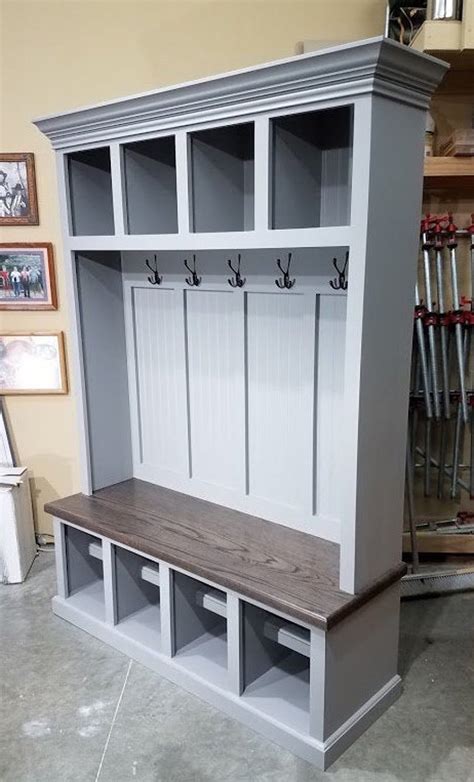
An organized entryway sets a welcoming tone for the entire household, yet it is frequently overrun by shoes, backpacks, and seasonal outerwear. Building a customized mudroom drop zone doesn’t require an expansive foyer; even a narrow stretch of hallway wall can accommodate a low-profile bench with built-in cubbies underneath and heavy-duty hooks above.
When designing a mudroom storage bench, factor in the height of standard storage baskets so your bins slide in and out effortlessly without catching. Securing a sturdy cleat directly into the wall studs is critical here, as family members will inevitably sit on the bench and place heavy weight on the upper shelf tiers. Finish the seating surface with a solid wood top sealed in a durable polyurethane to withstand everyday wear and tear from boots and wet gear.
Budget-Friendly Materials and Hardware Hacks
Custom built-ins often carry a reputation for being financially prohibitive, but savvy makers know how to hack affordable materials to achieve luxury results. Standard 3/4-inch birch or MDF plywood serves as an ideal structural backbone for cabinets and vertical dividers, while dimensional pine works wonderfully for face frames and trim work. Avoid specialty exotic woods unless you plan to stain them; paint-grade materials save substantial money upfront.
Hardware choices further elevate a budget build from basic to bespoke. Swapping standard builder-grade knobs for unlacquered brass pulls, leather pulls, or matte black finger-edge hardware injects personality and high-end design appeal. Additionally, utilizing concealed European hinges allows cabinet doors to align smoothly with adjustable gaps, giving your homemade doors the polished movement of high-end cabinetry.
Finishing Techniques for a Seamless, Custom Look
The secret differentiator between a DIY project that looks amateur and one that looks professionally built lies entirely in the finishing work. Once your shelves and cabinets are securely fastened and screwed into place, take the time to fill every single screw hole, seam, and joint with paintable wood filler or flexible painters caulk.
Sanding all surfaces smooth between primer and paint coats ensures a flawless, brush-stroke-free finish that feels smooth to the touch. When caulking gaps where your built-in meets the wall or baseboards, use a damp finger or a profiling tool to create a clean, concave bead. This simple step visually marries the wood structure to the architecture of the house, completing the illusion of a permanent, custom-crafted installation.
Frequently Asked Questions
What are the best built-in storage ideas for small spaces?
For small spaces, vertical floor-to-ceiling bookcases, over-the-door or recessed wall cubbies, and window seat benches with lift-top lids offer maximum capacity without eating up valuable floor area.
How do I make DIY shelving look professional and built-in?
The key to a professional look is covering raw plywood edges with edge banding, adding face frames, trimming gaps with caulk or scribe molding, and painting the entire unit the same color as the surrounding wall or trim.
Can renters create temporary built-in storage solutions?
Yes, renters can use modular furniture secured safely to wall studs with minimal anchors, tension-rod shelving systems, or freestanding bookcases anchored securely to prevent tipping without altering permanent architecture.
How much does it typically cost to build custom shelves versus hiring a professional?
Building custom shelves yourself typically costs between $150 to $500 in raw materials and hardware, whereas hiring a professional carpenter for custom built-ins can easily range from $2,500 to over $8,000 depending on complexity.