Finding creative ways to display books, plants, and personal memorabilia without overwhelming your floor plan is a universal challenge in American interior design. Whether you reside in a downtown high-rise apartment or a suburban single-family home, vertical space remains your best asset for maximizing storage. However, standard store-bought shelving often lacks the custom dimensions needed for awkward architectural alcoves, and mounting hardware can easily damage drywall if you are not careful.
Building your own customized wall storage allows you to control the exact dimensions, wood stains, and mounting style to match your interior aesthetic. More importantly, understanding the distinction between temporary, renter-friendly mounting techniques and heavy-duty permanent installations ensures that your walls remain secure and your security deposit stays intact. This guide breaks down diverse shelf styles, material choices, and essential installation mechanics to help you elevate your living spaces safely.
Renter-Friendly DIY Shelves: Maximum Style, Zero Damage
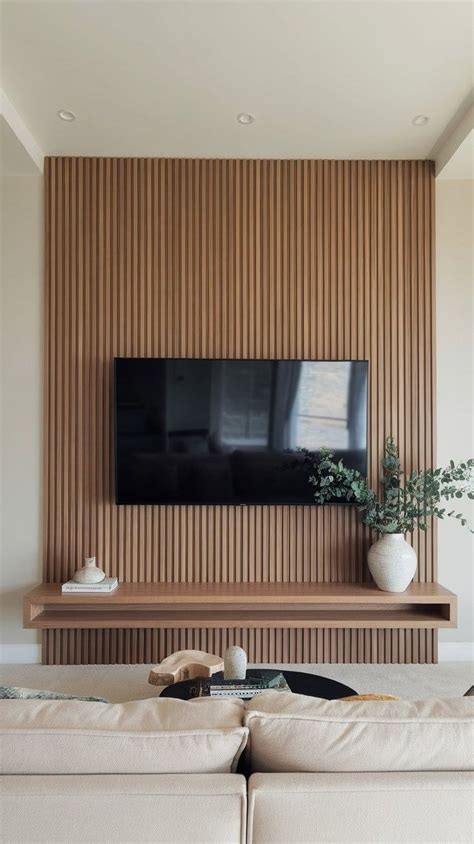
Lease agreements across the United States often restrict modifications, making traditional drilling intimidating for apartment dwellers. Fortunately, modern adhesive technology and clever hanging mechanisms provide viable alternatives that hold surprising weight without leaving gaping holes in drywall. These temporary solutions let you customize your decor style without risking penalties upon move-out.
Leather strap shelves represent one of the most stylish and easily removable options for renters. By looping heavy-duty leather strips around a stained pine board and hanging the entire assembly from a single high-strength adhesive hook or a minimal picture-hanging nail, you achieve a chic bohemian look. When it is time to relocate, you simply patch a tiny pinhole or remove the adhesive strip cleanly with heat from a standard household hairdryer.
Rustic and Farmhouse Wood Shelf Designs
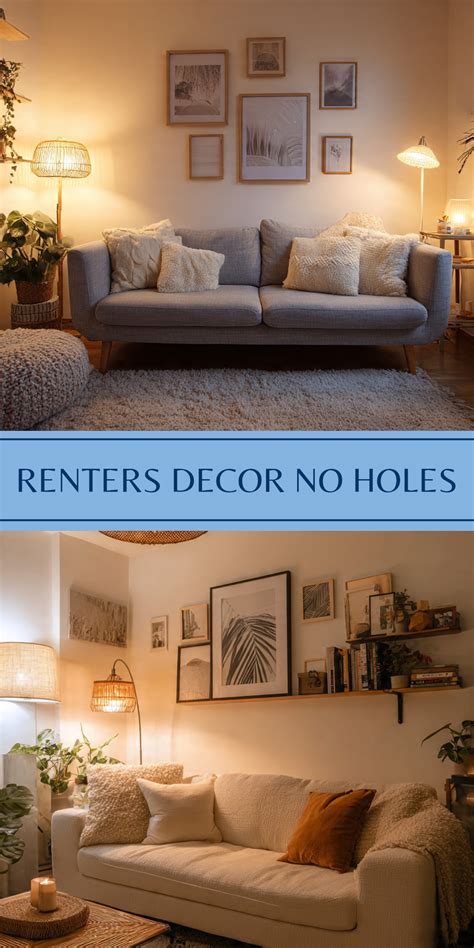
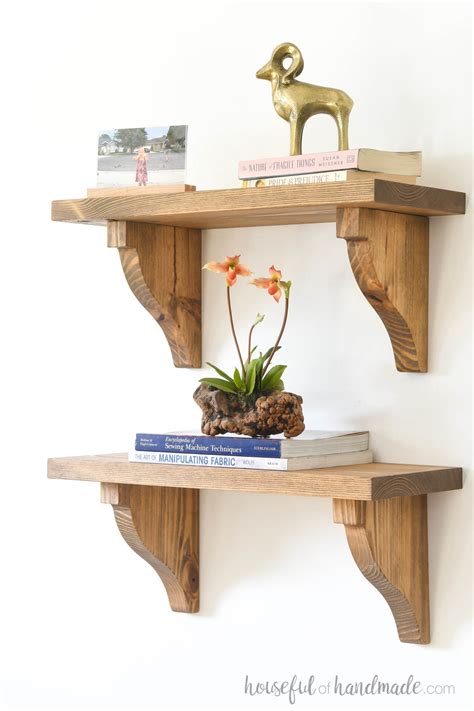
For homeowners looking to add organic warmth and texture to living rooms or kitchens, rustic and farmhouse wood shelves offer timeless appeal. Utilizing affordable dimensional lumber from local home improvement centers, such as common whitewood or reclaimed barn wood, keeps material costs low while delivering high-end visual character.
Creating a chunky farmhouse shelf often involves building a hollow box that slips neatly over a secured wooden cleat anchored directly into the wall studs. This clever construction mimics the hefty appearance of solid timber beams without the unmanageable weight, making it much safer for drywall installations. Applying a rich dark walnut or weathered gray wood stain followed by a protective matte polyurethane coat highlights the natural grain and protects against everyday moisture and dust.
Modern Minimal and Floating Shelf Tutorials
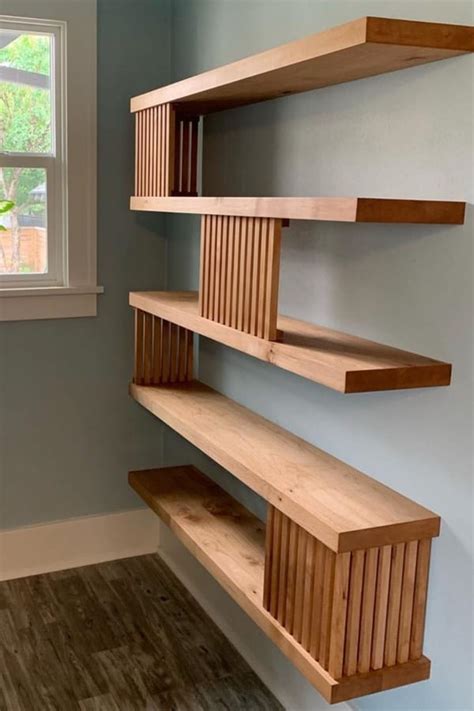
Clean lines and concealed hardware define contemporary interior trends, making floating shelves a favorite for modern U.S. homes. The primary engineering challenge of a floating shelf lies in creating internal support systems that remain entirely invisible once the wooden shelf is slid into place.
To achieve this seamless look, fabricators typically route a channel into the back edge of a thick hardwood slab to fit over a welded steel bracket rod anchored into wall framing. If routing tools are unavailable, laminating multiple thinner boards together around a central ledger board offers a beginner-friendly alternative. Precision leveling is critical during this process; even a slight upward or downward tilt will become immediately noticeable against modern geometric decor elements.
Repurposed and Upcycled DIY Shelving Projects
Upcycling everyday objects into functional wall storage introduces unique conversational pieces into your home decor while championing sustainable practices. Wooden shipping crates, vintage skateboards, and discarded wooden drawers can all be transformed into striking geometric shelving units with minimal sanding and hardware.
Wooden wine crates, for example, can be mounted directly to wall studs through their interior back panels to create compartmentalized shadow boxes for displaying small potted succulents or ceramic figurines. Reinforcing the corners with small metal angle brackets ensures that the older joints remain rigid over time, preventing any sagging under moderate loads. A fresh coat of interior paint matching your accent wall color instantly elevates these reclaimed materials into sophisticated statement pieces.
Essential Tools and Safety Protocols for Wall Mounting
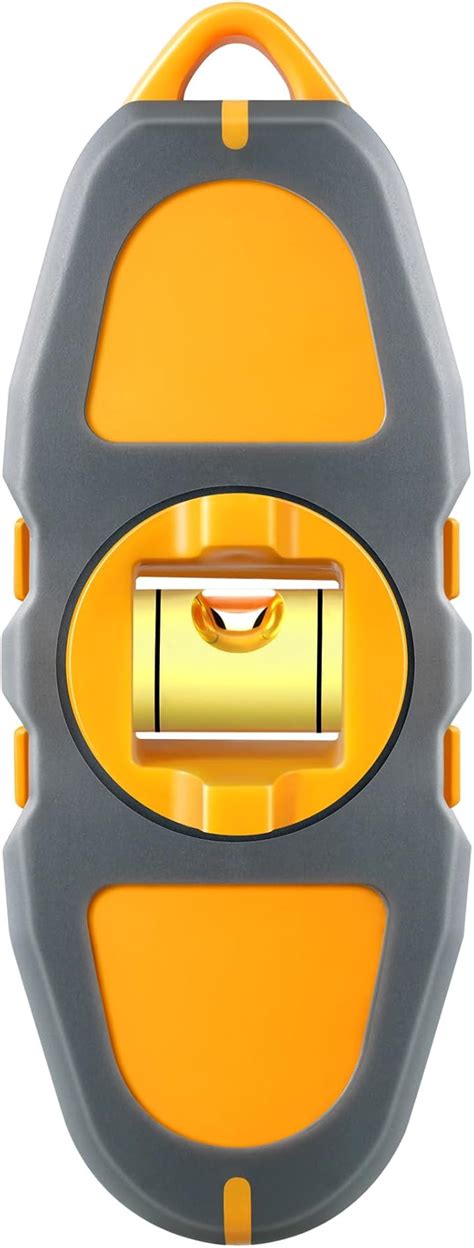
Successful shelf installation requires more than just a creative eye; structural safety must always take precedence. Overloaded shelves mounted improperly on drywall can tear away from the wall, causing property damage or personal injury. Always begin by locating your wall studs using an electronic stud finder rather than relying solely on knocking and guessing.
When a shelf design prevents you from hitting studs on both sides, investing in heavy-duty toggle bolts or threaded drywall anchors is mandatory. Always verify the maximum weight capacity rated for your specific hardware before placing heavy hardcover books or cast-iron cookware on your newly built displays. Taking these precautions guarantees that your customized shelving remains both a stunning focal point and a secure storage solution for years to come.
Frequently Asked Questions
How can I hang shelves in a rental without losing my security deposit?
You can use heavy-duty adhesive mounting strips rated for high weight capacities, specialized picture-hanging hooks that leave only tiny pinholes, or tension-based shelving units. Always check your lease agreement and test adhesive strips on a hidden area of the wall first.
What are the easiest DIY wall shelf designs for beginners?
Leather strap shelves and simple board-on-bracket styles are the most beginner-friendly. They require minimal cutting, basic hand tools, and straightforward hardware that is easy to install without advanced woodworking equipment.
How do I find wall studs and safely support heavy items on drywall?
Use an electronic stud finder to locate the center of wooden wall studs, which are typically spaced 16 inches apart in U.S. construction. For items exceeding 20 pounds where studs are not aligned, use heavy-duty toggle bolts or rated drywall anchors.
What materials do I need to build a floating shelf from scratch?
You will typically need a sturdy dimensional board (such as pine or oak), a metal internal bracket or wooden cleat system, wood screws, wall anchors, wood glue, and finishing supplies like sandpaper and stain or paint.


