Designing a luxury interior in the American Southwest requires a careful balance between high-end aesthetics and regional realities. Arizona homes—whether featuring sprawling contemporary glass walls in Paradise Valley or classic Territorial architecture in Tucson—demand furnishings that can withstand intense sunlight and exceptionally low humidity while maintaining an elevated look. Custom leather furniture rises to this challenge, offering a sophisticated seating solution that ages gracefully and adapts beautifully to desert-inspired color palettes.
Investing in bespoke leather pieces allows homeowners to tailor every millimeter of their seating to difficult room configurations, such as open-concept great rooms with soaring ceilings or intimate casita spaces. By understanding the interaction between different leather grades, local climate conditions, and regional design principles, you can curate a living space that feels both inherently grounded in the landscape and luxuriously comfortable.
Why Custom Leather Furniture Thrives in Arizona Homes
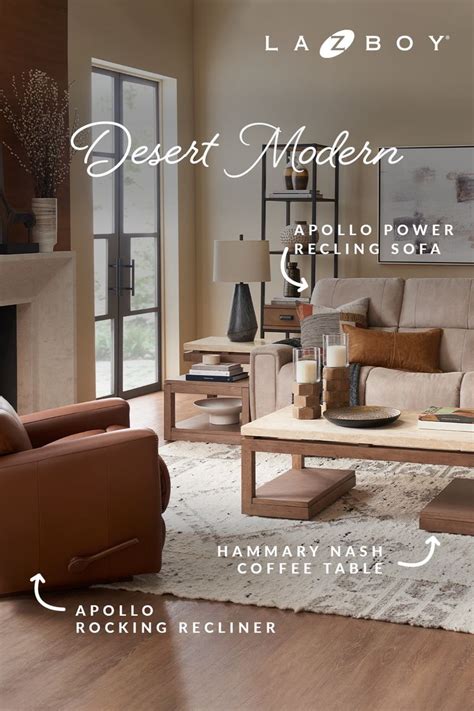
While fabric upholstery can quickly trap dust, pet dander, and dry desert air particulates, high-quality leather provides a cleaner, more breathable surface that resists allergens. In the dry climate of Arizona, well-tanned leather remains cool to the touch during scorching summer afternoons and offers a supple, welcoming texture that enhances daily relaxation. Unlike synthetic materials that degrade rapidly under intense UV exposure filtering through large windows, genuine full-grain leather maintains its structural integrity and develops a rich, authentic patina over time.
Furthermore, custom manufacturing solves the unique architectural scale found in many modern Arizona residences. Standard mass-produced sofas often look dwarfed in expansive rooms featuring vaulted timber ceilings or massive stone fireplaces. Working with custom artisans ensures that your sectional or sofa matches the grand proportions of your room, utilizing heavy-duty kiln-dried hardwood frames and high-resiliency cushion cores designed for lifelong durability.
Selecting the Right Leather Grades for Arid Environments
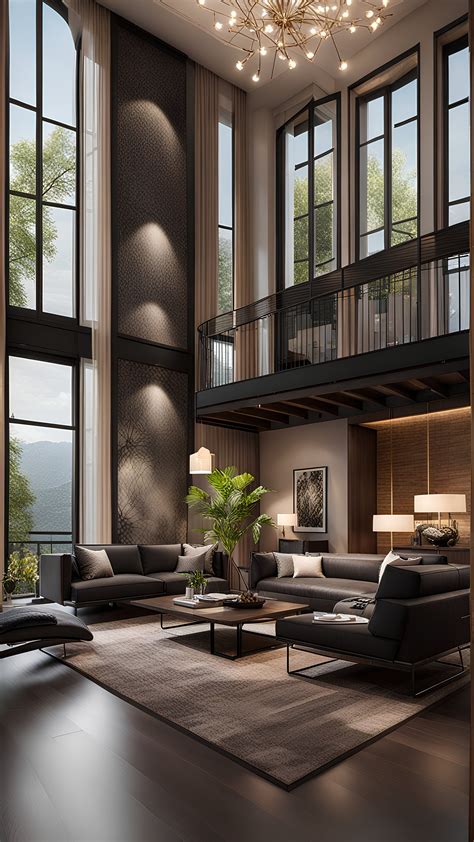
Navigating the various grades of leather is the most critical step in commissioning a custom piece. Aniline leather, prized for its completely natural surface and ultra-soft hand, showcases the hide’s authentic markings and pores. However, because it lacks a protective polymer coating, aniline leather is highly susceptible to fading from direct sunlight and drying out in arid environments unless meticulously conditioned.
For most Arizona households balancing luxury with everyday living, semi-aniline or protected leather grades offer a more practical alternative. These hides receive a light surface treatment and protective pigment application that shields the material against UV rays and minor spills while preserving much of the organic texture. Pull-up leathers represent another exquisite option, infused with oils and waxes that create a stunning, lived-in pull-up effect when stretched, naturally healing minor surface scuffs through daily friction.
Bespoke Customization: Tailoring Every Detail to Your Vision
Commissioning custom furniture opens up an array of design choices that extend far beyond standard showroom offerings. You can select custom configurations ranging from sprawling low-profile modular sectionals that complement desert-modern architecture to traditional deep-seated Chesterfield designs wrapped in rich, tobacco-colored hides. Frame dimensions, seat depths, and cushion fill materials—such as down-blend wraps over high-density foam—can be meticulously calibrated to your exact comfort preferences.
Aesthetic customization also includes contrasting welt stitching, decorative nailhead trim, and hand-finished wooden legs crafted from locally inspired woods like walnut or mesquite. When choosing a color palette, look beyond standard black or dark brown. Earthy hues such as terracotta, warm cognac, sage, desert sand, and muted olive harmonize effortlessly with the natural stone, exposed beams, and stucco walls characteristic of upscale Southwestern architecture.
Styling Leather Seating within Desert-Modern and Southwestern Interiors
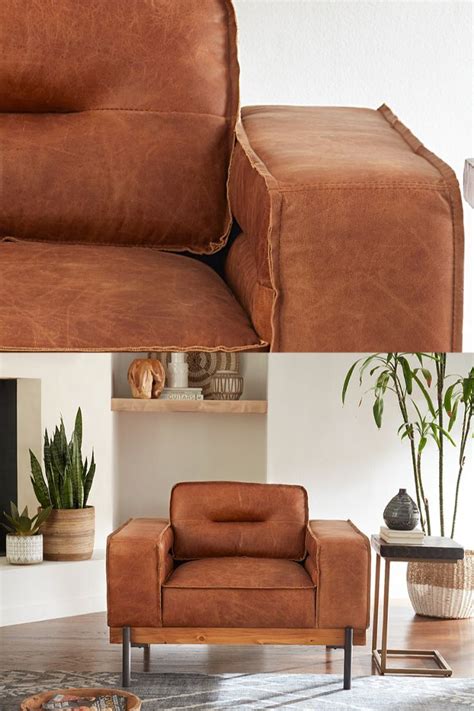
Integrating custom leather furniture into a luxury Arizona home involves layering textures to prevent the space from feeling stark or overly sterile. Pair a supple cognac leather sofa with hand-woven wool rugs featuring geometric Navajo or modern abstract motifs, and accent the seating with textured linen or heavy cotton throw pillows in muted desert tones. The contrast between smooth leather and coarse, tactile natural fibers creates visual depth and warmth.
In desert-modern spaces dominated by concrete floors, expansive glass, and metal accents, a rich leather armchair introduces an essential organic element that grounds the room. Position your custom seating to take advantage of dramatic mountain or sunset views while protecting the leather from harsh, direct midday sunbeams through strategic window placement, solar shades, or architectural overhangs.
Essential Care and Maintenance for Leather in Dry Climates
Maintaining leather furniture in Arizona requires a proactive routine to combat the dehydrating effects of low humidity and powerful air conditioning systems. The single most important maintenance step is regular conditioning using a high-quality, pH-balanced leather cream every six to twelve months to replenish natural oils and prevent the hide from stiffening or cracking.
Dust your leather surfaces weekly with a soft, dry microfiber cloth to remove microscopic abrasive dust particles that blow in through open doors and windows. Keep luxury leather pieces at least a few feet away from active heating vents or direct, unfiltered sun exposure to prevent premature fading and thermal stress. Promptly clean accidental spills with a damp, clean cloth rather than harsh chemical detergents, ensuring your custom investment remains pristine for decades.
Frequently Asked Questions
Is leather furniture too hot for Arizona’s climate?
Contrary to popular belief, genuine leather does not trap heat the way synthetic vinyl or cheap faux-leather materials do. Quality leather adjusts quickly to body temperature and remains breathable. In air-conditioned Arizona homes, leather seating actually feels quite cool and comfortable year-round.
How often should I condition custom leather furniture in the desert?
Due to the extremely dry desert air, you should typically condition your leather furniture every six months. Homes with intense, direct sunlight exposure or very low indoor humidity levels may require quarterly conditioning to keep the hide supple and prevent cracking.
What is the difference between full-grain and top-grain leather for custom builds?
Full-grain leather utilizes the outermost layer of the hide, retaining all natural imperfections and developing a gorgeous patina over time. Top-grain leather has had the very top surface lightly sanded or buffed to remove blemishes and often receives a protective finish, making it slightly more resistant to stains and wear.
Can I order custom leather furniture to fit awkward architectural layouts?
Yes, working with custom furniture artisans allows you to specify exact dimensions, modular configurations, arm widths, and chaise lengths. This is particularly beneficial for Arizona homes featuring open-concept great rooms, curved walls, or custom built-in architectural niches.
How do I protect my leather sofa from fading in sunny rooms?
To protect leather from Arizona’s intense UV rays, position your furniture away from unshaded floor-to-ceiling windows. Utilizing UV-blocking window films, automated solar shades, or architectural overhangs will also safeguard the leather’s rich color and extend its lifespan.


