Stepping into a well-designed living space should immediately lower your shoulders and quiet your mind. Unfortunately, many standard American living rooms lean toward visual clutter, overwhelmed by oversized sectionals, heavy media centers, and competing focal points. If you find yourself craving a sanctuary from the rapid pace of daily life, turning to Asian-inspired design philosophies offers a refreshing pathway toward genuine tranquility.
By drawing inspiration from traditions such as Japanese Zen, Wabi-Sabi, and Chinese Feng Shui, you can cultivate an environment centered on balance, natural harmony, and intentional living. This approach does not require tearing down walls or committing to a complete structural remodel. Instead, it invites thoughtful curation, where every object in the room serves a purpose and contributes to an overall sense of peace.
Understanding the Core Philosophies: Zen, Wabi-Sabi, and Flow
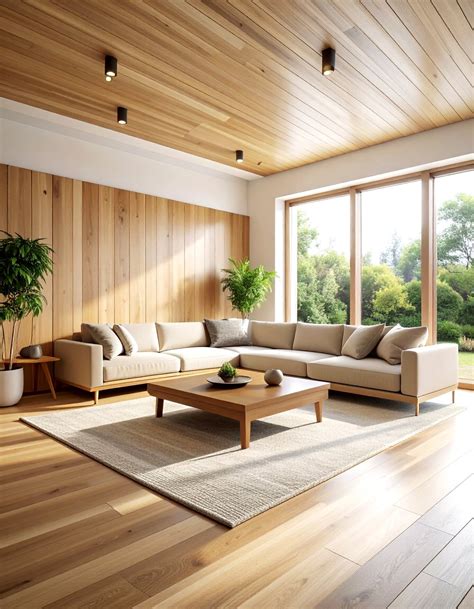
At the heart of any truly peaceful Asian-inspired interior are time-honored design philosophies that prioritize mental clarity and emotional grounding over pure ornamentation. Zen principles remind us that empty space is not a void to be filled, but an essential element that allows the mind to breathe. Incorporating this mindset into a U.S. living room means resisting the urge to crowd every corner with furniture or knick-knacks.
Complementing Zen is the concept of Wabi-Sabi, which finds quiet beauty in imperfection, asymmetry, and the natural weathering of materials. Rather than chasing sterile perfection, a Wabi-Sabi living room might feature a hand-carved wooden coffee table with visible grain variations or ceramics that show authentic craft marks. Coupled with the intentional spatial arrangement of Feng Shui—which optimizes physical energy flow and accessibility—these principles provide a strong conceptual foundation for your room transformation.
Embracing a Nature-Rooted Color Palette
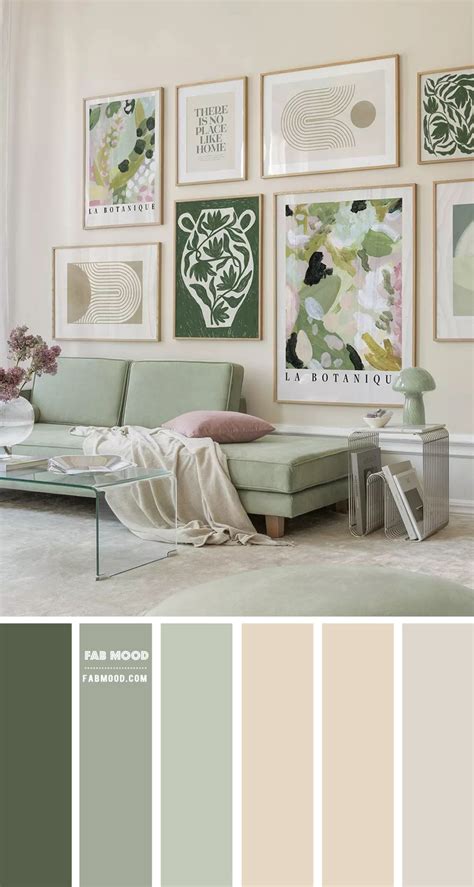
Color sets the psychological temperature of a room. Traditional Asian aesthetics draw heavily from the natural world, favoring palettes that echo forests, stone gardens, riverbanks, and misty mountains. Moving away from stark, sterile whites or high-contrast modern trends, a tranquil living room usually relies on soothing neutrals like warm beige, soft taupe, muted clay, and gentle greige as a foundational backdrop.
To introduce subtle depth without disrupting the peaceful atmosphere, layer in secondary tones inspired by nature. Think of mossy greens, bamboo yellows, charcoal grays, and deep indigo blues. These shades work harmoniously together because they are naturally occurring, preventing the space from feeling jarring or overly stimulating. For renters working with standard off-white drywall, bringing in these rich yet muted tones through textiles, large area rugs, and statement art pieces creates an instant visual transformation without touching a paintbrush.
Integrating Natural Materials and Tactile Textures
Texture replaces decoration in a minimalist design scheme. Because an Asian-inspired living room relies on fewer objects, the materials you choose must carry more sensory weight. Introduce elements crafted from natural wood, bamboo, rattan, jute, stone, and unglazed ceramics to ground the space and connect the interior to the outdoors.
Consider swapping synthetic fabrics for tactile, organic alternatives like raw linen curtain panels, cotton floor cushions, and wool or jute area rugs. If your U.S. home features wall-to-wall carpeting that you cannot remove, layering a large, natural-fiber rug on top can immediately anchor the seating area and introduce the desired earthy texture. Every touchpoint in the room should invite a calming sensory connection, reminding inhabitants of the physical world outside.
Curating Minimalist Furniture for Optimal Room Flow
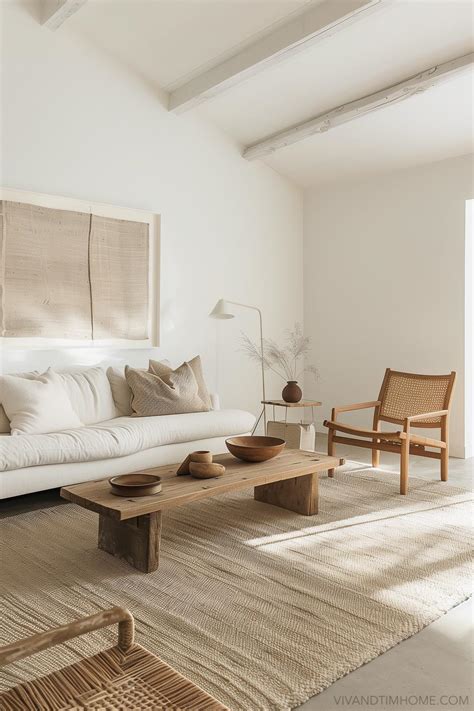
Furniture in an Asian-inspired living room should prioritize clean lines, low profiles, and exceptional craftsmanship. Traditional Japanese architecture, for instance, frequently utilizes low-to-the-ground seating, which encourages a grounded posture and makes ceilings feel remarkably higher—a particularly useful trick for standard suburban American living rooms with conventional ceiling heights.
When selecting furniture, look for pieces with exposed wooden legs, smooth sliding cabinet doors, and simple geometric silhouettes rather than ornate carvings. Ensure that pathways remain completely unblocked to maintain a natural physical flow through the room. A low-profile sofa paired with a simple wooden bench or minimalist armchairs creates a conversational grouping that feels open, airy, and inviting rather than congested.
Soft Lighting Strategies and Natural Illumination
Harsh overhead lighting can instantly shatter a calm atmosphere. To achieve a tranquil ambiance, prioritize layered, diffused lighting that mimics the soft glow of sunlight filtering through rice paper shoji screens. Replace glaring white bulbs with warm, amber-toned LEDs, and incorporate floor lamps with fabric or paper shades that scatter light evenly across the walls.
Maximizing natural daylight is equally vital. If your living room windows look out onto a busy American street or neighbor’s yard, consider hanging translucent linen or bamboo matchstick blinds that provide privacy while still allowing soft, filtered morning light to wash over the room. In the evening, dimmers, candles, and low-level accent lighting help signal to the brain that it is time to unwind and transition out of work mode.
Meaningful Decor and Intentional Focal Points
Decor in this design style is never accidental. Every item should have a reason for being in the room, whether it carries sentimental value, connects to nature, or provides functional utility. Instead of filling shelves with random knick-knacks, curate a few powerful focal points, such as a single dramatic bonsai tree, a piece of minimalist calligraphy scrollwork, or an authentic ceramic vase holding a simple floral branch.
Room dividers also offer a stunning and practical decor solution, especially in open-concept U.S. homes where the living room bleeds directly into the entryway or dining area. A wooden lattice screen or fabric panel divider can subtly zone the space, offering both visual elegance and functional privacy without permanently altering the room’s layout.
Frequently Asked Questions
What are the key elements of Asian-inspired living room design?
The primary elements include minimalist furniture with clean lines, a nature-inspired neutral color palette, natural materials like wood, bamboo, and stone, soft diffused lighting, and philosophies that prioritize open space, balance, and intentional living.
How can I make my U.S. living room look tranquil without a major renovation?
You can create tranquility through non-permanent updates such as clearing visual clutter, using low-profile furniture arrangements, adding natural-fiber textiles and rugs, hanging sheer or bamboo window treatments, and introducing calming natural accents like indoor plants and soft ambient lighting.
What colors best represent an Asian-inspired aesthetic?
Aesthetics rooted in Asian interior traditions favor organic colors found in nature. This includes warm neutrals like beige, taupe, and greige, alongside accent colors such as moss green, bamboo yellow, charcoal gray, and deep indigo blue.
How do I incorporate minimalist furniture without making the room feel cold?
To prevent minimalism from feeling clinical or sterile, focus on tactile natural materials. Incorporating warm-toned woods, woven rattan, textured linen fabrics, and handmade ceramics adds organic warmth and physical comfort to sleek, simple furniture silhouettes.
Are there rental-friendly ways to achieve this look?
Yes, renters can easily achieve this style by avoiding permanent structural changes and focusing instead on freestanding low-profile furniture, large area rugs to cover carpets, portable shoji or lattice screens for zoning, plug-in ambient lighting, and removable window shades.


