Creating a living room that balances sophisticated interior design with effortless relaxation often begins with the seating selection. For many American households, leather reclining living room sets offer the ultimate convergence of durability, classic elegance, and customized lounging comfort. Whether you are furnishing a sprawling suburban family room or a cozy urban apartment, selecting the right set requires looking beyond initial visual impressions to evaluate upholstery grades, internal framing, and mechanical engineering.
When thoughtfully chosen, a cohesive leather reclining set anchors the room, providing a welcoming focal point that handles daily wear and tear with grace. Modern manufacturing has largely moved past the bulky, overly casual recliners of the past, introducing streamlined silhouettes, hidden footrests, and whisper-quiet power options that integrate seamlessly into contemporary, transitional, and traditional interior schemes.
Evaluating Leather Grades and Material Durability
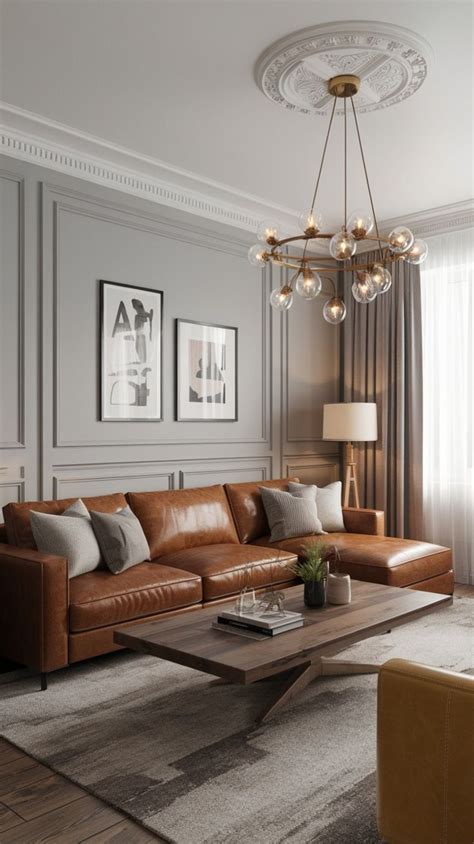
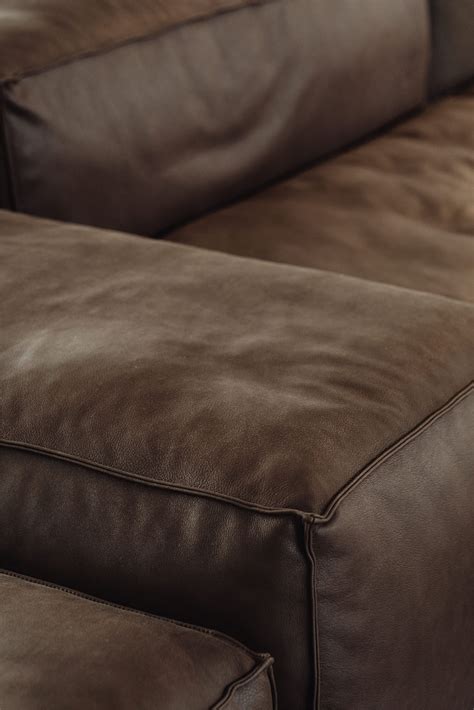
Understanding the material construction of your living room set is the most critical step in ensuring long-term satisfaction. Top-grain leather stands as the gold standard for durability and natural aesthetic appeal. It features the outer hide layer, which retains natural grain patterns and develops a rich, supple patina over time. While top-grain options require occasional conditioning to maintain their moisture balance, they withstand high-traffic family environments remarkably well and resist tearing under daily stress.
For households seeking a balance between luxury and budget-friendliness, split-grain leather, corrected-grain options, or high-performance synthetic alternatives provide viable pathways. Split leather is processed from the lower layers of the hide and is often embossed for uniformity, though it lacks the breathable organic character of top-grain hide. Meanwhile, bonded leather offers an accessible entry point but tends to degrade faster under heavy friction and temperature shifts. When assessing your household needs, weigh active use patterns against maintenance willingness to choose a finish that will age gracefully in your specific climate and lifestyle.
Power Reclining vs. Manual Mechanisms
The internal operating mechanism dictates how you interact with your reclining furniture on a daily basis. Manual recliners rely on a traditional latch or pull-handle system paired with body weight to extend the footrest. They are generally more cost-effective, require no electrical outlets nearby, and feature fewer mechanical components that might require future maintenance. However, they typically offer fixed stopping positions and can require a deliberate physical push to lock the footrest back into place.
Power reclining sets, conversely, operate via discreet side buttons or touch sensors connected to electric motors, allowing for infinitely adjustable reclining angles and integrated power lumbar or headrest support. The motion is smooth, exceptionally quiet, and effortless for users of all physical mobilities. The primary trade-off involves spatial planning, as power units must be positioned near wall outlets or paired with rechargeable battery packs. Furthermore, homeowners should inspect the internal frame construction, ensuring that corner-blocked kiln-dried hardwood and high-gauge steel mechanisms support the motorized weight for years of trouble-free operation.
Smart Spatial Planning for American Living Rooms
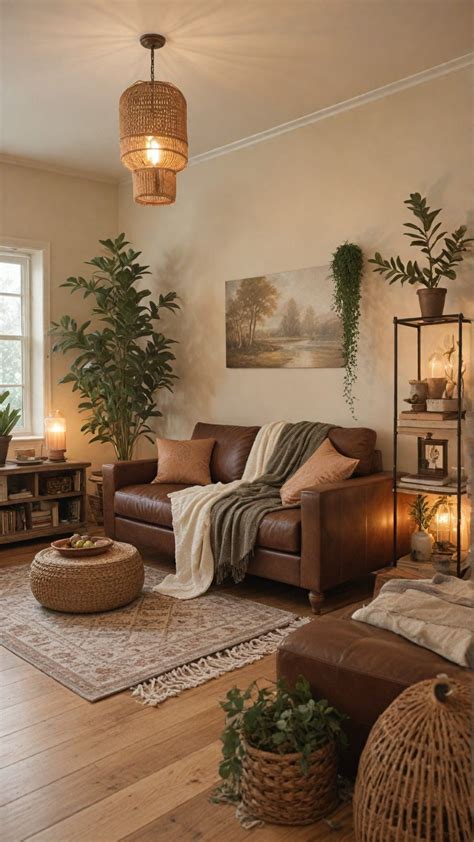
Integrating a full reclining living room set into an existing floor plan demands careful measurement and spatial foresight. Recliners require clearance not only in front for the footrest but also behind the backrest if the model features a traditional roll-back motion. Many modern manufacturers now design “wall-hugger” or zero-wall reclining sets that slide forward as they recline, making them ideal for tighter spaces or rooms where furniture must float closer to perimeter walls.
Before purchasing a multi-piece set—such as a matching sofa, loveseat, and armchair combination—map out your room layout using painter’s tape on the floor to verify walking paths and door clearance. Remember that deep leather pieces visually occupy more volume than lightweight fabric upholstery. Balancing the heavy silhouette of a leather reclining sectional or sofa with streamlined occasional tables, low-profile lighting, and airy window treatments ensures your living room remains spacious, functional, and visually balanced.
Frequently Asked Questions
What is the most durable leather type for families with pets?
Top-grain leather is generally the most durable option for households with pets because its natural fibers are strong and resistant to punctures. However, cats may still scratch leather surfaces, so semi-aniline or distressed finishes are often recommended because they naturally conceal minor surface marks and develop a charming patina over time.
How much clearance do I need to leave behind a reclining sofa?
Traditional reclining sofas typically require 4 to 12 inches of clearance behind the backrest to recline fully. If your room layout is tight, look for “wall-hugger” reclining mechanisms that glide forward as they tilt back, needing only a couple of inches of wall clearance.
Are power reclining living room sets difficult to maintain?
Power reclining sets are relatively low-maintenance, requiring only basic care of the leather upholstery and occasional dusting around the metal base tracks. The internal electric motors and wiring are enclosed and typically require no routine servicing outside of standard warranty guidelines.
Can leather furniture handle extreme temperature changes in U.S. homes?
Leather naturally adapts to ambient room temperatures, though it can feel cool during winter and warm in summer. Placing your leather reclining set away from direct heating vents and intense, unshaded afternoon sunlight prevents premature drying, cracking, and fading.


